Corporate insolvencies in Germany’s energy sector increased from three to 14 within a single quarter. This is according to an insolvency report published by consultancy firm Falkensteg on November 23, 2026. Ten major insolvencies affect the solar and battery storage industries, including wind farm developers. Enerparc and Varta represent the quarter’s two largest insolvencies by revenue. While Germany continues to expand renewable energy capacity, companies increasingly struggle with failed financing, volatile revenues and growing competition. Jobs, billions in investment and planned energy projects are consequently at risk.
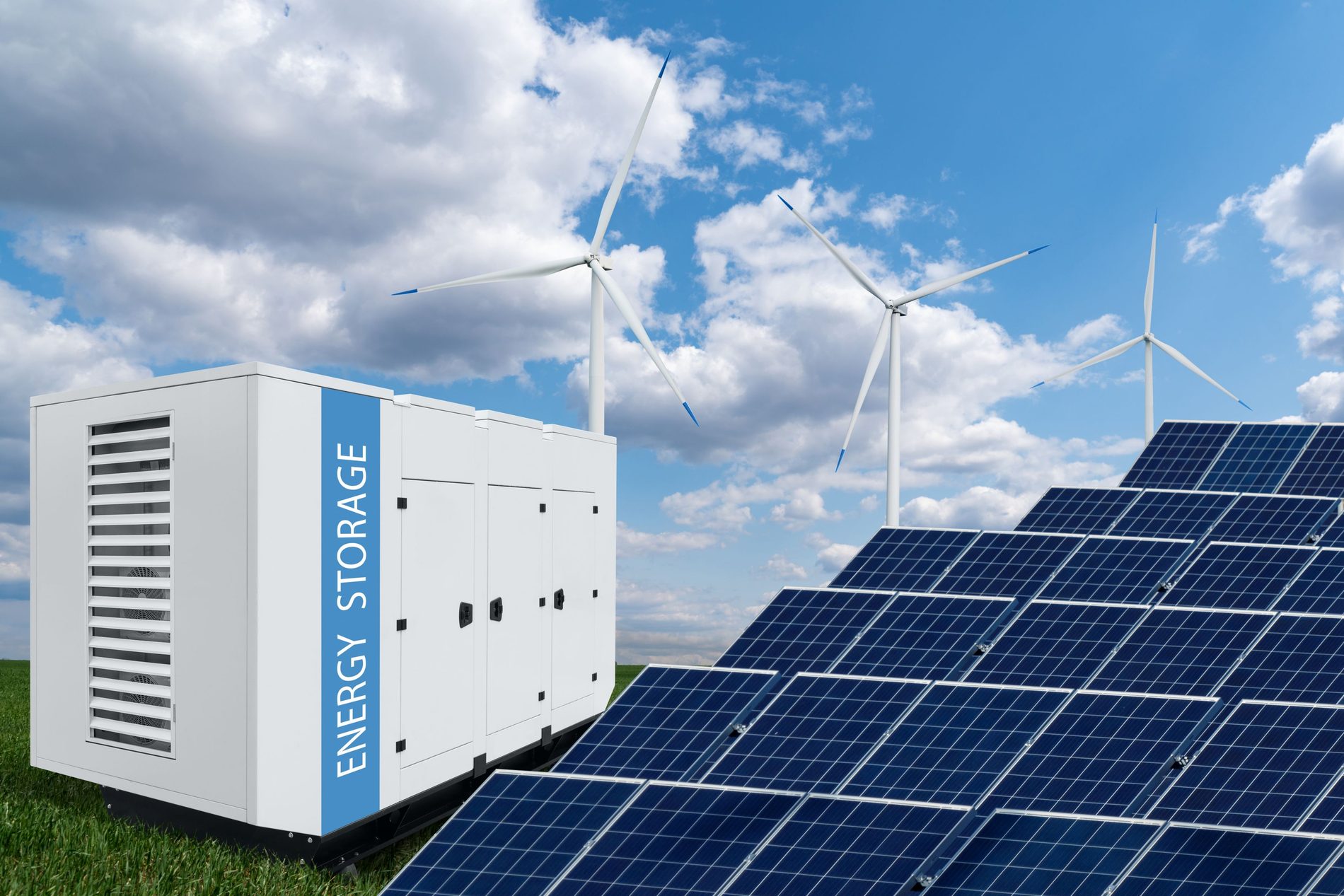
Image: Shutterstock
Insolvencies Hit Major Renewable Energy Companies
Falkensteg recorded 103 insolvency filings nationwide during the third quarter among companies with annual revenues exceeding €10 million. This represents a three percent decline compared with the previous quarter. However, insolvencies in the solar and battery storage industries increased fivefold, from two to ten cases. Four involve solar and wind farm developers, three battery and storage manufacturers, and three installation and distribution companies.
During the first nine months, these industries recorded 13 major insolvencies, compared with 16 during the same period last year. However, the economic consequences of individual cases are becoming increasingly severe. While installation companies accounted for many failures in 2025, the crisis now affects major businesses with extensive project portfolios and manufacturing operations. Enerparc and Varta each generated group revenues exceeding €750 million.
Wind Power – Insolvencies Threaten Planned Projects
Wind power developers are also experiencing financial difficulties. In early September, the Tübingen District Court opened insolvency proceedings involving four companies within the SOWITEC Group. The insolvency administrator is therefore seeking investors for an international portfolio of wind power project rights totaling approximately 32 gigawatts. These projects span Germany, Argentina, Brazil, Colombia and Mexico.
In October, Windwise Energy entered preliminary insolvency administration. The company is developing a wind farm with up to four turbines in Burg-Gemünden, Hesse. The municipality had expected annual revenues of approximately €100,000 from the project. However, its future now depends on finding a suitable investor.
Battery Storage – Even Established Manufacturers Face Insolvency
Financial difficulties are also mounting among battery storage manufacturers. German manufacturer Sonnen filed for insolvency in October, just two months after its sale by energy giant Shell. The company had already suffered losses for several years. Growing competition from Chinese manufacturers, however, makes profitable battery storage production in Germany increasingly difficult.
Insolvency proceedings also involve four companies within the Varta Group. A financing shortfall, declining demand and the loss of a major customer contributed to the company’s financial difficulties. Meanwhile, EnBW subsidiary Senec stopped accepting new customers during the summer following an unsuccessful search for investors. Several established battery storage suppliers are consequently losing their economic foundations despite operating in a growing market.
Wind and Solar Power Face Unpredictable Revenues
Enerparc failed to secure financing for several battery storage projects. These facilities are designed to store surplus electricity from solar and wind power and release it when wholesale prices rise. However, price differences must cover investment, financing costs, energy losses and operating expenses. Politically driven expansion of renewable energy therefore does not guarantee profitable battery storage projects.
Developments within the wind power industry also vary considerably. While onshore wind turbine manufacturers report strong order books, numerous offshore projects face delays. Furthermore, insufficient transport capacity and delayed grid connections complicate the commissioning of new turbines. Project developers consequently face longer periods of capital commitment without generating the expected revenues.
The Energy Transition Increasingly Threatens Its Own Industrial Base
Unresolved regulatory issues also complicate project financing. These include amendments to Germany’s Renewable Energy Sources Act and planned electricity grid regulations. Falkensteg therefore expects further insolvencies during the fourth quarter. However, major insolvencies in the solar and battery storage industries are expected to remain below last year’s total of 21 cases.
The economic consequences extend far beyond the affected companies. Battery storage customers could face problems with manufacturer warranties, spare parts and software maintenance. Solar and wind power projects face delays, unpaid invoices and additional costs for investors. Although the energy transition creates a growing market, rising installation figures alone guarantee neither profitable businesses nor the survival of Germany’s domestic manufacturing capacity.
Author: Blackout News
Sources: Falkensteg (23.11.26) – pv magazine (23.11.26) – Gießener Allgemeine (08.11.26) – Reuters (06.11.26) – Solarserver (23.11.26)
Read also:
- Insolvencies in the solar and wind power sector – economic viability collapses despite subsidies
- Sonnen GmbH insolvent – German battery storage pioneer faces break-up
- Wind and solar project developer SOWITEC files for insolvency – stock exchange halts bond trading
- Offshore industry facing a jobs crisis – up to 23,000 positions at risk