
Gründau – US automotive supplier Lear is moving production away from its Gründau site in Hesse, effectively withdrawing those operations from Germany. The relocation process is set to begin as soon as possible and conclude by mid-2027, resulting in the complete elimination of production and logistics activities at the plant. According to the trade union IG Metall, machinery and orders are being transferred to Slovakia, Serbia, and Tunisia. This move will result in the loss of nearly 180 jobs. The company cited the high level of investment required at the Gründau site as the reason for the decision. Many long-serving employees aged between 50 and 60 are particularly affected; however, around 120 engineering jobs are expected to remain in Germany.
Relocation of production ends decades of manufacturing in Gründau
For decades, the site was part of the family-owned company I.G. Bauerhin. At peak times, more than 700 people worked there. Lear acquired the specialist in thermal comfort systems in 2023. Today, the Gründau facility employs around 300 people. Products manufactured there include seat, steering wheel, and surface heating systems, as well as sensors and electronics for the automotive industry.
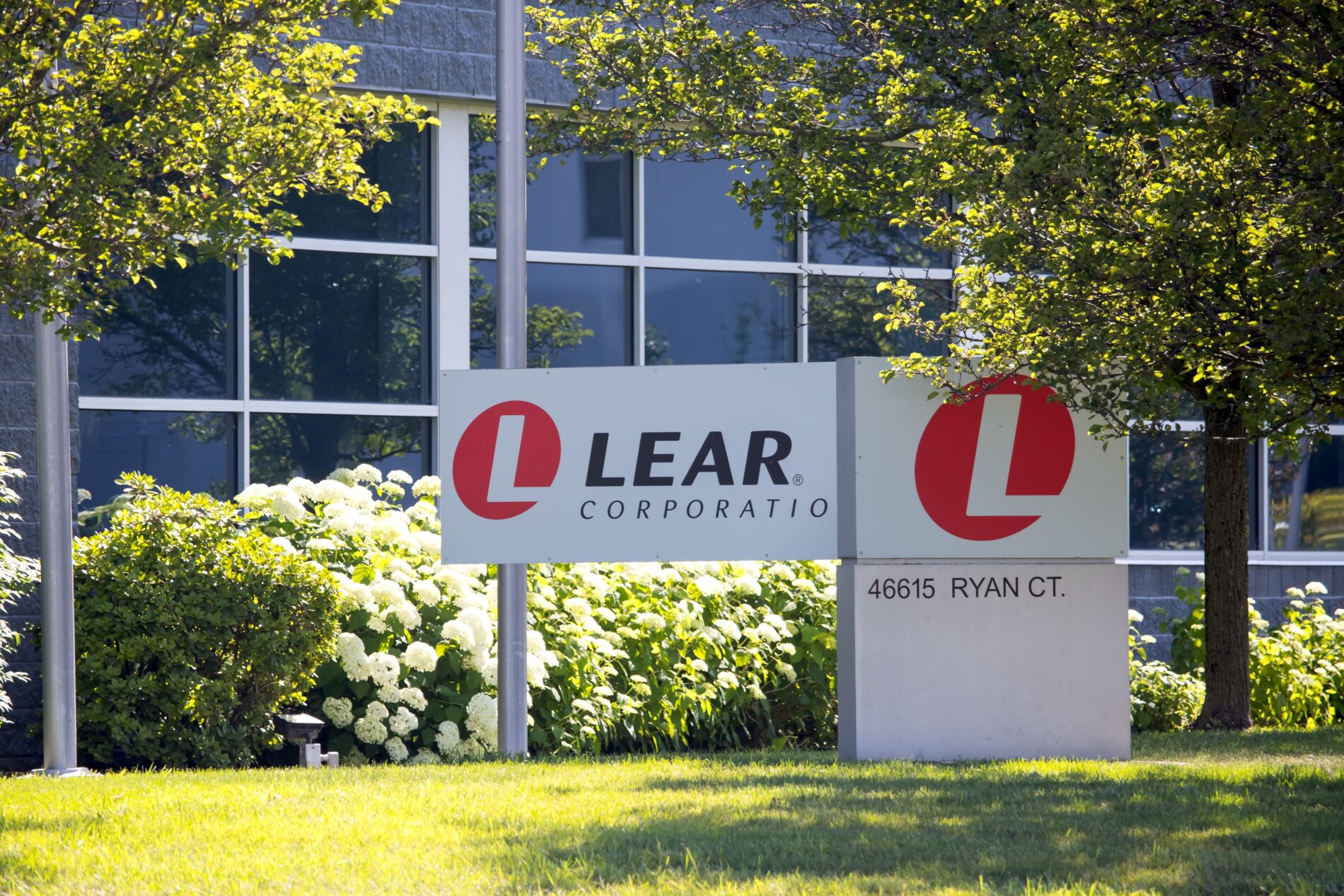
Image: Shutterstock
However, Lear and the IG Metall union had only agreed on a new collective bargaining agreement in September 2025. At the time, more than 99 percent of union members approved the deal. The agreement included several wage increases and job security guarantees. Lear also committed to further negotiations regarding aligning pay with the industry-wide standard. Compulsory redundancies are ruled out until the end of 2026. Yet, just about a year later, production is now being relocated abroad.
Lear cites investment costs—while the group’s earnings rise
According to IG Metall, Lear considers further investment in manufacturing at the German site too expensive. However, union official Matthias Ebenau disputes this claim. He accuses the company of making the Gründau plant appear less profitable internally than it actually is. Employee representatives also point out that certain areas of the plant are still operating at full capacity. Lear has not yet publicly addressed the specific allegations in detail.
In any case, recent financial figures do not indicate an acute financial crisis for the group as a whole. Lear increased its revenue by three percent to $6.21 billion in the second quarter of 2026. At the same time, net income rose from $165.2 million to $192.8 million. Core operating profit also increased by seven percent. Furthermore, Lear raised its full-year forecast at the end of July. During the same period, the group repurchased $100 million worth of its own shares and paid out $39 million in dividends.
Gründau hit by another loss of industrial jobs
The relocation of Lear’s manufacturing operations is not the first time Gründau has lost a major industrial facility. Previously, Putzmeister decided to close its local plant and shift production to Turkey, affecting around 250 employees. Other industrial companies in the region are also discussing job cuts. Consequently, this latest withdrawal of manufacturing capacity exacerbates the loss of industrial jobs in the Main-Kinzig district.
The automotive industry is shedding jobs nationwide as well. The German Association of the Automotive Industry (VDA) projects a decline of around 225,000 jobs by 2035 compared to 2019 levels; approximately 100,000 positions have already been lost. The VDA attributes this trend in part to the country’s lack of international competitiveness as a business location. Lear’s decision to relocate production serves as a concrete example of this development. Nevertheless, the works council and the IG Metall union intend to present an alternative plan in an effort to preserve manufacturing operations in Gründau. The existing collective bargaining agreement provides the workforce with some breathing room to pursue this goal, at least until the end of 2026.
Author: Blackout News
Sources: t-online (13.08.26) – Lear Corporation (31.07.26)