
Shipbuilding at the site of the former Sietas shipyard in Hamburg-Neuenfelde will come to an end on June 30, 2026. The final 17 shipbuilders are leaving the facility after years of operations were undermined by insolvencies, failed rescue attempts, and blocked sales efforts. As the shipyard is considered the oldest shipbuilding site in Germany, its closure affects employees and suppliers alike, while also marking the end of a chapter in Hamburg’s industrial history.
Why the Hamburg shipyard no longer had a future
The site at the mouth of the Este River dates back to 1635. Over many generations, the Sietas family built ships there for commercial use, government agencies, and specialized tasks. Furthermore, cranes, workshops, and quays long defined the landscape of the Altes Land region.
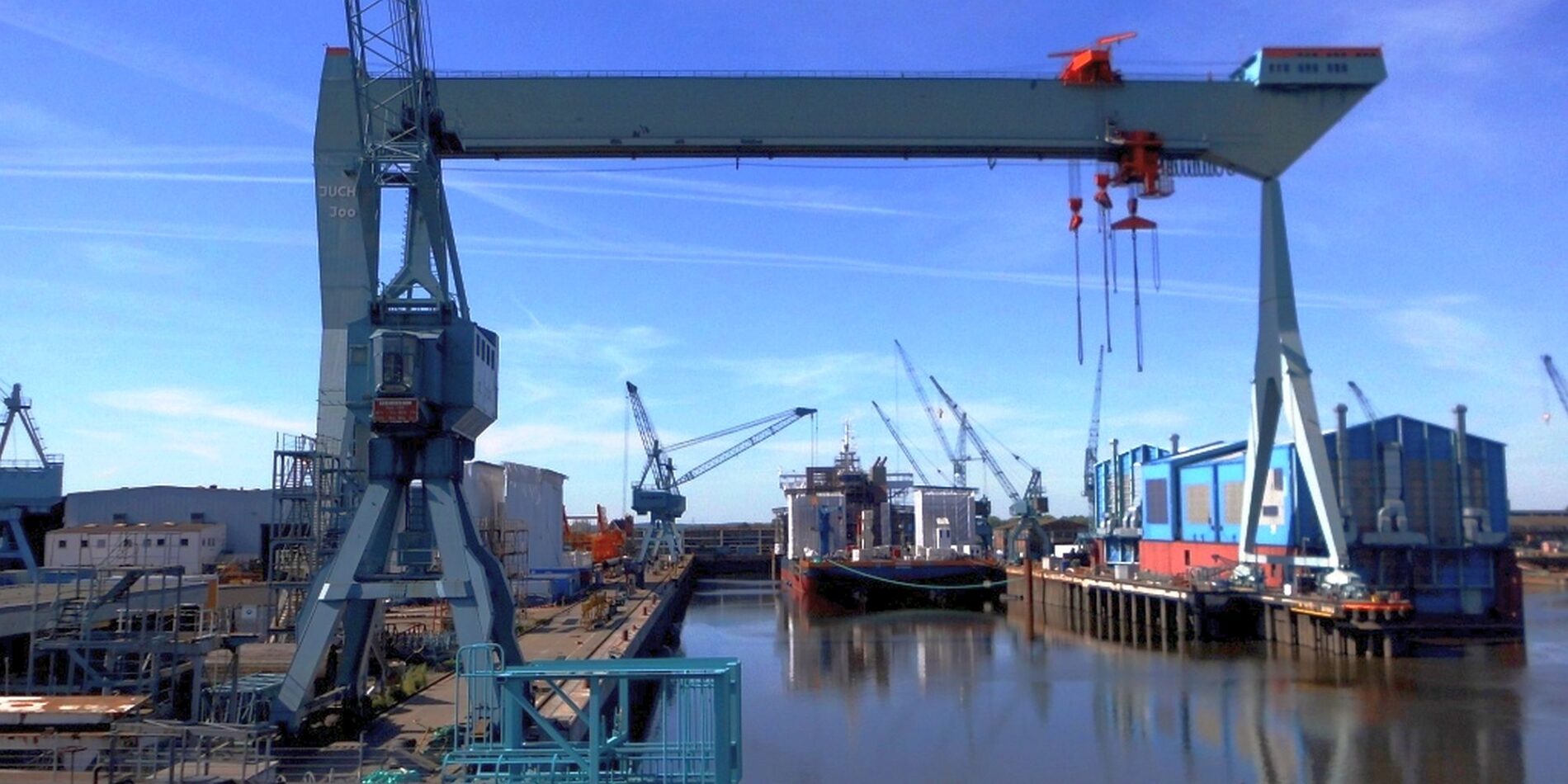
Image: Dr. Karl-Heinz Hochhaus, CC BY 3.0, via Wikimedia Commons

Economic difficulties intensified following the financial crisis. The first insolvency occurred in 2011, after which the Russian Pella Group took over core operations. Although business continued, the financial foundation remained unstable.
Second insolvency and blocked sale
In 2021, Pella Sietas GmbH once again fell into insolvency. At that time, around 320 people were still employed at the site. The shipbuilder was hit hard by project delays, the consequences of the pandemic, and a lack of financing.
A planned sale to private investors subsequently failed due to legal hurdles. A lien held by the sanctioned Russian bank Sberbank blocked the standard sales process, leading to the forced auction of the former shipyard site.
Hamburg acquires the site and plans new use
The City of Hamburg secured the site—spanning approximately 147,690 square meters—in November 2025. The purchase price was around 20 million euros. Hamburg also acquired the heritage-listed Jucho gantry crane, which is to be preserved as a visible symbol of industrial history.
The city intends to use the area for commercial purposes in the future. The site is to be allocated via a long-term leasehold arrangement, with the city retaining ownership. Additionally, the city requires parts of the site for flood protection measures and new infrastructure.
For the last workers, a career by the water is coming to an end
For the 17 remaining shipbuilders, June 30 marks the end of their employment. Many have known this site for decades; consequently, it is not just a job that is ending for them, but also a part of their professional identity.
This blow hits older skilled workers particularly hard. Their specialized expertise is rooted in shipbuilding and does not easily transfer to every other industrial sector. Furthermore, with the closure of the shipyard, Hamburg loses a rare core area of craftsmanship that had been part of the city for nearly 400 years.
Author: Blackout News
Sources: Bild (16.06.26) – HafenNews Hamburg (15.06.26) – Abendblatt (23.05.26) – NDR (13.11.25)