News

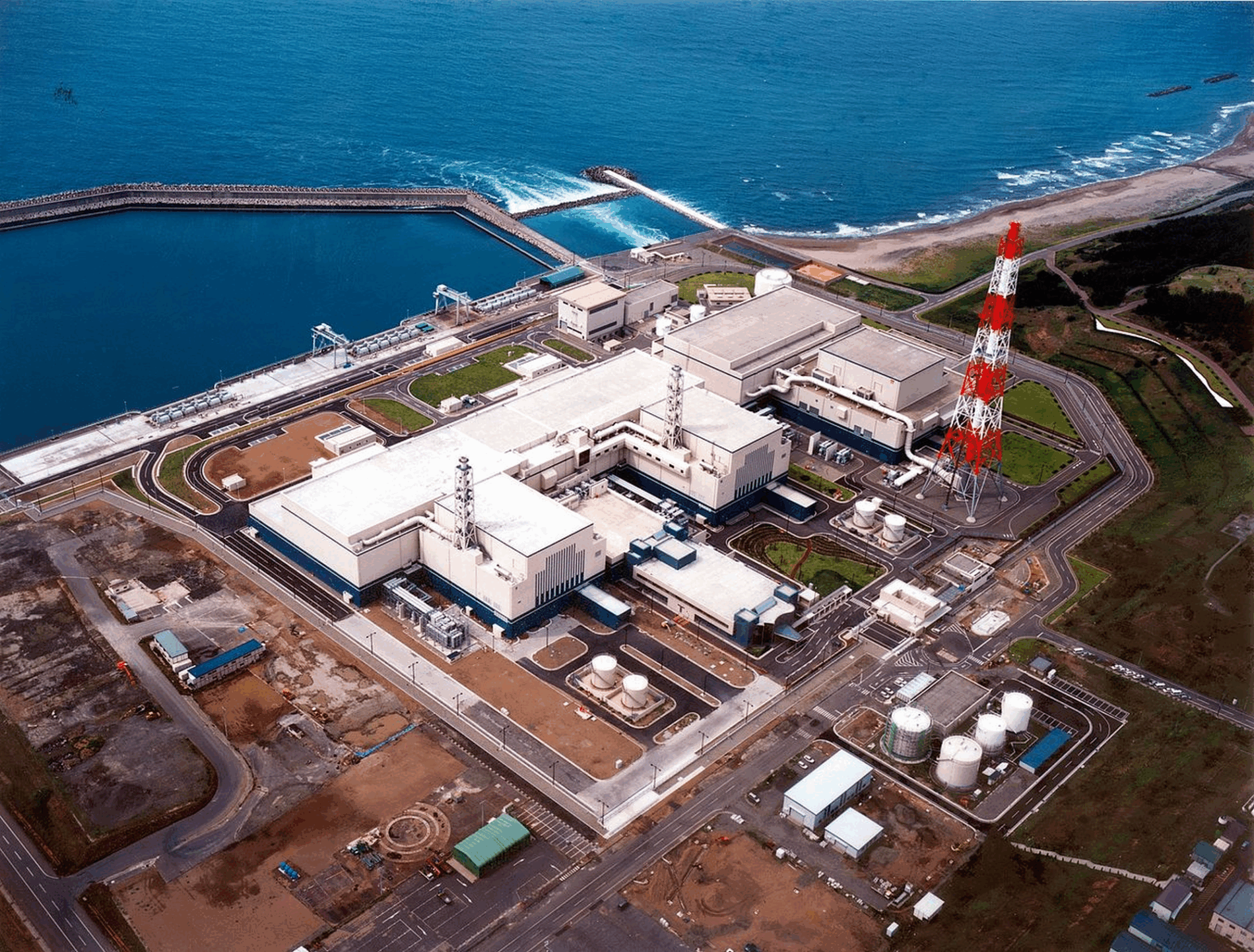
World’s largest nuclear power plant about to restart – Japan focuses on security of supply

Nearly 15 years after Fukushima, the world’s largest nuclear power plant is once again at the center of the energy policy debate. Japan is preparing to restart Kashiwazaki-Kariwa to increase its energy security, implement a controlled restart of nuclear power, stabilize electricity prices in Japan, and permanently incorporate the lessons learned from Fukushima. The project […]


World’s largest nuclear power plant about to restart – Japan focuses on security of supply Read More »

Skysails insolvent – kite power plants fail due to lack of financing despite state subsidies

Skysails Power GmbH has filed for insolvency. The Hamburg-based company developed so-called kite power plants, designed to generate electricity from strong high-altitude winds. After a crucial financing round failed to materialize, the Hamburg District Court opened preliminary insolvency proceedings. Despite government subsidies, technical successes, and some sales, the business model proved economically unsustainable. The collapse

Skysails insolvent – kite power plants fail due to lack of financing despite state subsidies Read More »

Insulation overrated – new analyses question the renovation principle in the building sector

Insulation has long been considered a key lever for climate protection in the building sector, but new analyses are putting its importance into perspective. German buildings continue to account for around a third of national emissions, while ambitious renovation targets have been missed for years. Instead, replacing heating systems is gaining more attention because it

Insulation overrated – new analyses question the renovation principle in the building sector Read More »

Charging station misconception – why Germany’s charging policy misses the mark with everyday life

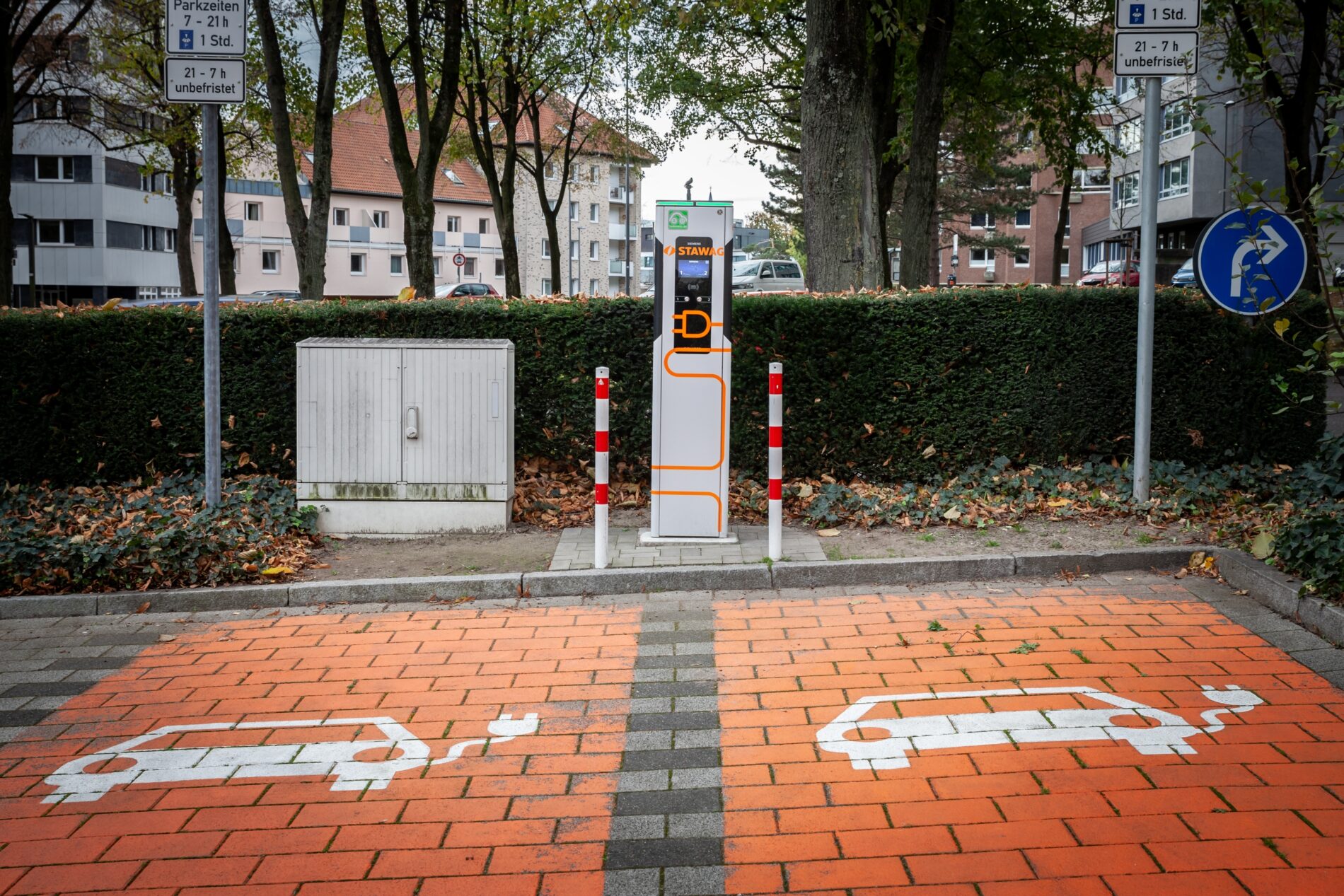
The charging station miscalculation is costing billions and shaping the streetscape of many cities. Public charging points are springing up everywhere, even though drivers have long since changed their behavior. The charging infrastructure is growing faster than its usage, while electric cars are increasingly being charged privately. At the same time, charging costs are rising,

Charging station misconception – why Germany’s charging policy misses the mark with everyday life Read More »

Real incomes are plummeting – why Germany’s prosperity is declining

The real income of Germans is decreasing because growing portions of economic output are permanently reserved for mandatory government and social expenditures. Klaus Regling, former head of the Eurozone bailout fund, describes a situation in which nominal growth barely translates into increased private consumption. A prolonged economic crisis, far-reaching interventions through pension reform, rising national

Real incomes are plummeting – why Germany’s prosperity is declining Read More »

State protection demanded – charging cable theft threatens Germany’s charging infrastructure

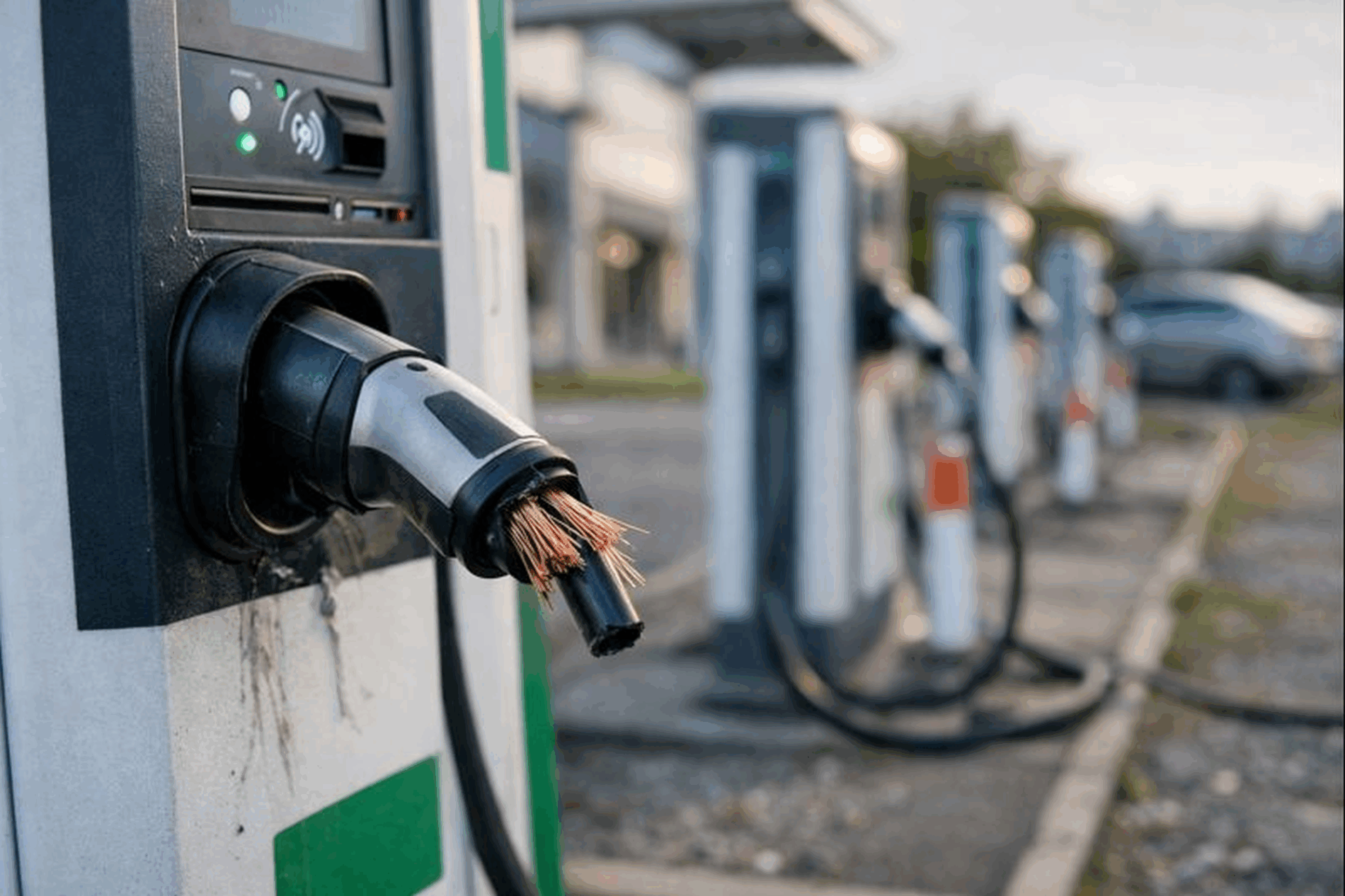
Charging station operators are calling for government protection because charging cable theft is increasingly crippling the charging infrastructure and noticeably slowing down electromobility in Germany. Industry representatives warn that organized copper theft is specifically targeting public charging points and undermining the confidence of electric car drivers. They are therefore demanding political action, as private countermeasures

State protection demanded – charging cable theft threatens Germany’s charging infrastructure Read More »

Negative electricity prices – billions spent on unused electricity are driving Germany into a cost trap

Negative electricity prices are no longer a fringe phenomenon, but a central cost problem of the German electricity system. A massive oversupply is increasingly occurring at midday, overwhelming both the grid and demand. The consequences are costly. Redispatch costs, rising grid fees, increasing surplus electricity, and structural market distortions add up to billions of euros,

Negative electricity prices – billions spent on unused electricity are driving Germany into a cost trap Read More »

Electric car crisis worsens – Ford terminates battery contract with LG and halts electric offensive

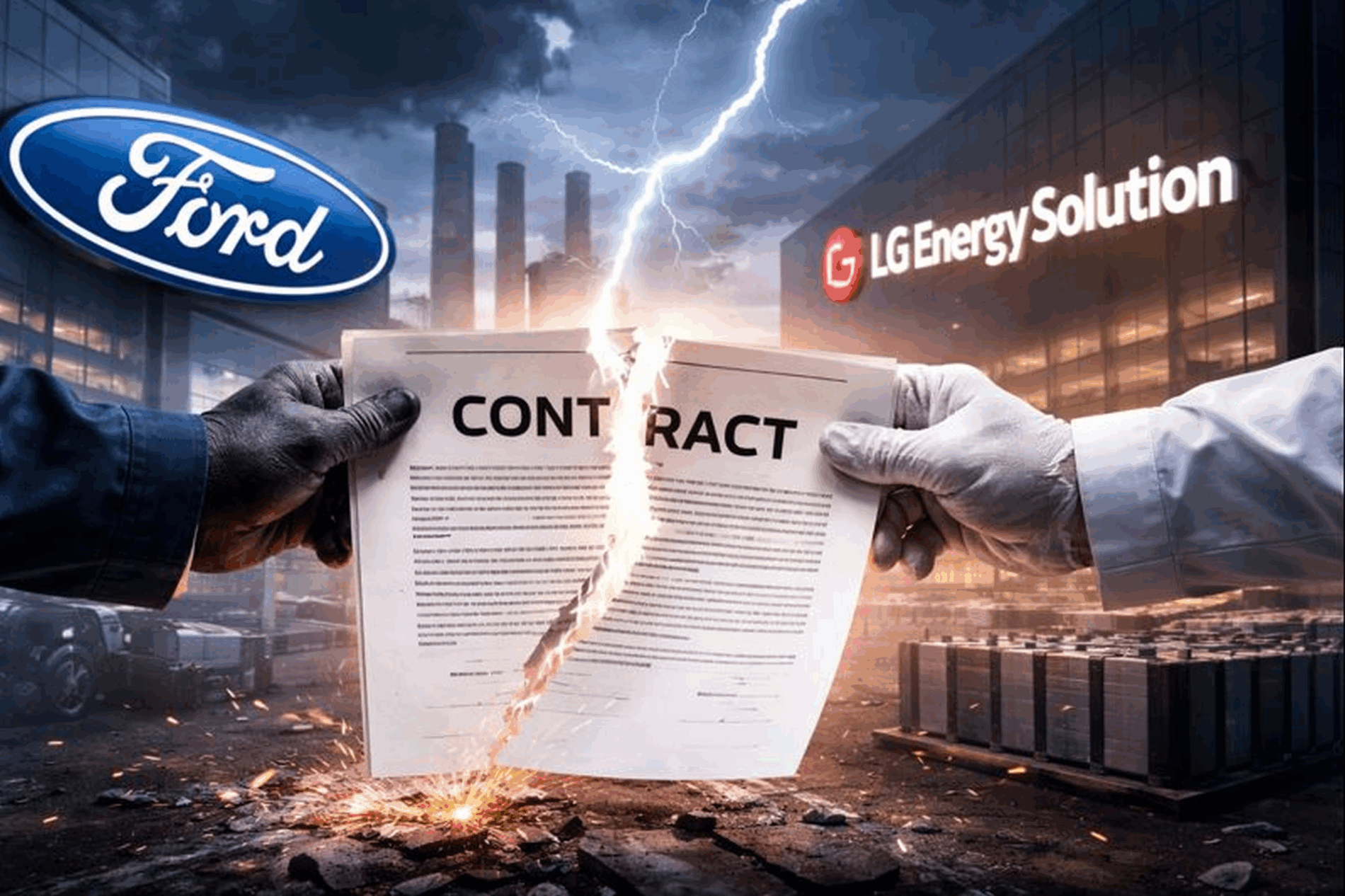
The electric vehicle crisis has reached a new peak, as Ford terminates a key battery deal with LG Energy Solutions. This decision comes despite the agreement being signed only a few months ago and follows a significant drop in demand for electric vehicles. At the same time, the company’s existing electric vehicle strategy is faltering,

Electric car crisis worsens – Ford terminates battery contract with LG and halts electric offensive Read More »

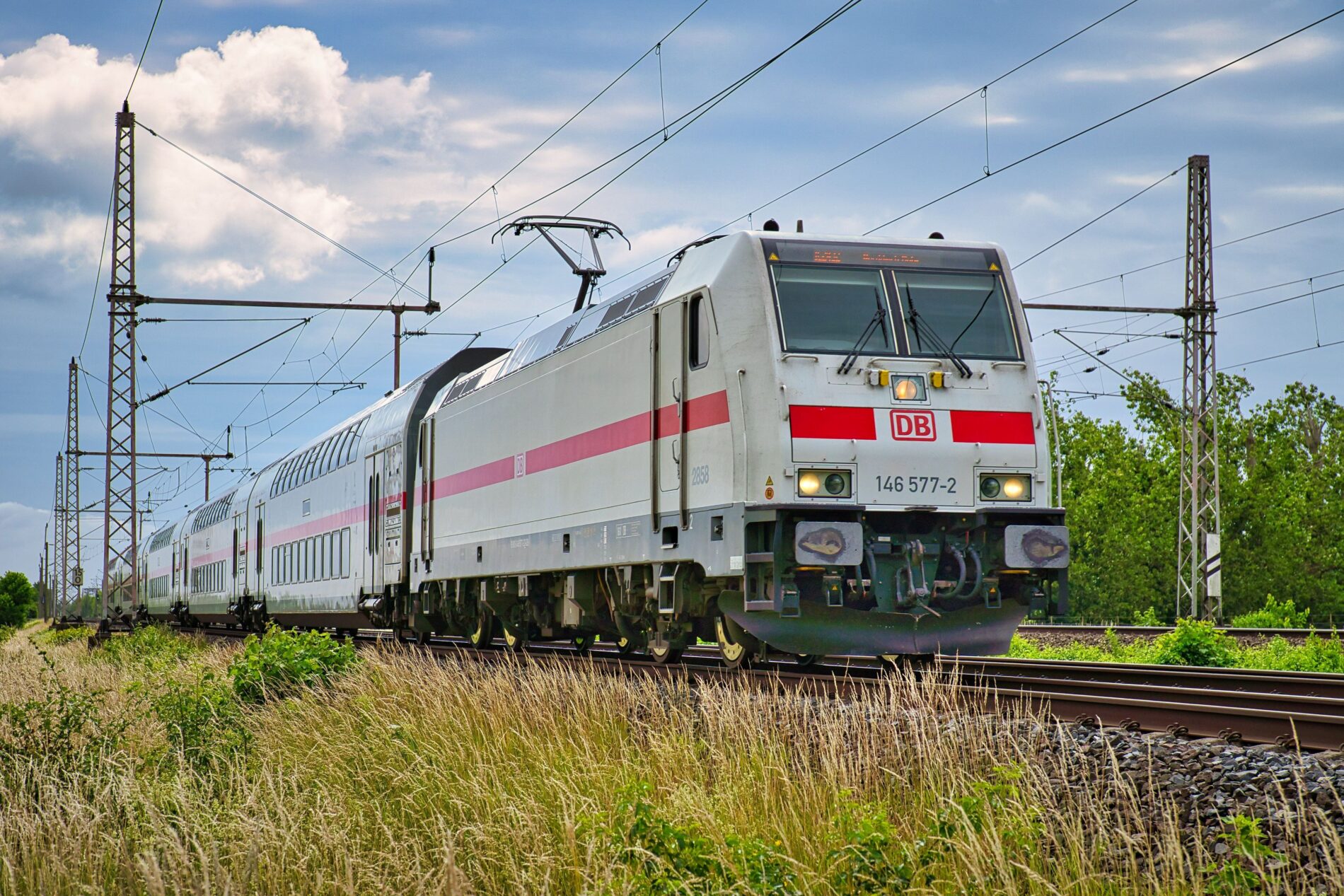
Deutsche Bahn’s new ICE trains will start with borrowed locomotives – no approval for the new ones

The new ICE L has been in service since mid-December, but Deutsche Bahn’s ICE train is starting its operations under unusual circumstances. The newly planned power cars still lack the necessary approval, forcing the company to rely on borrowed locomotives. This lack of approval necessitates a temporary solution and is noticeably impacting the start of

Deutsche Bahn’s new ICE trains will start with borrowed locomotives – no approval for the new ones Read More »

Electricity prices in Germany – why households pay more than in the rest of Europe

Electricity prices in Germany have been at record highs across Europe for years, placing a significant burden on private households. Hardly any other European country charges such high prices per kilowatt-hour, despite comparable security of supply and grid infrastructure. High energy costs, rising electricity taxes, increasing grid fees, and the consistently levied value-added tax on

Electricity prices in Germany – why households pay more than in the rest of Europe Read More »

Aggressive mood in the economy – industry warns of political paralysis

An aggressive mood is spreading through German business, increasingly directed against the federal government. Business leaders accuse politicians of a lack of decisiveness and an excessively slow pace of reform. The president of the Federation of German Industries (BDI) speaks in this context of a “truly aggressive mood” that is becoming increasingly evident in discussions

Aggressive mood in the economy – industry warns of political paralysis Read More »

Consumer crisis in Germany – Buyer sentiment and consumer climate at new lows

The consumer crisis in Germany is worsening significantly towards the end of the year. It is reaching a new low, even though many households traditionally spend more in December. Consumer sentiment, the propensity to save, the consumer climate, and inflation are all contributing factors, as uncertainty is influencing decisions and savings are becoming more important.

Consumer crisis in Germany – Buyer sentiment and consumer climate at new lows Read More »

European emissions trading under attack – Eastern Europe is shaking EU climate policy

The European emissions trading system is becoming a political flashpoint, as several Eastern European states seek to force a further delay. At the same time, energy prices, CO₂ taxes, the EU’s climate targets, and the competitiveness of member states are increasingly coming under scrutiny. Although Brussels has already postponed the system’s launch to 2028, the

European emissions trading under attack – Eastern Europe is shaking EU climate policy Read More »

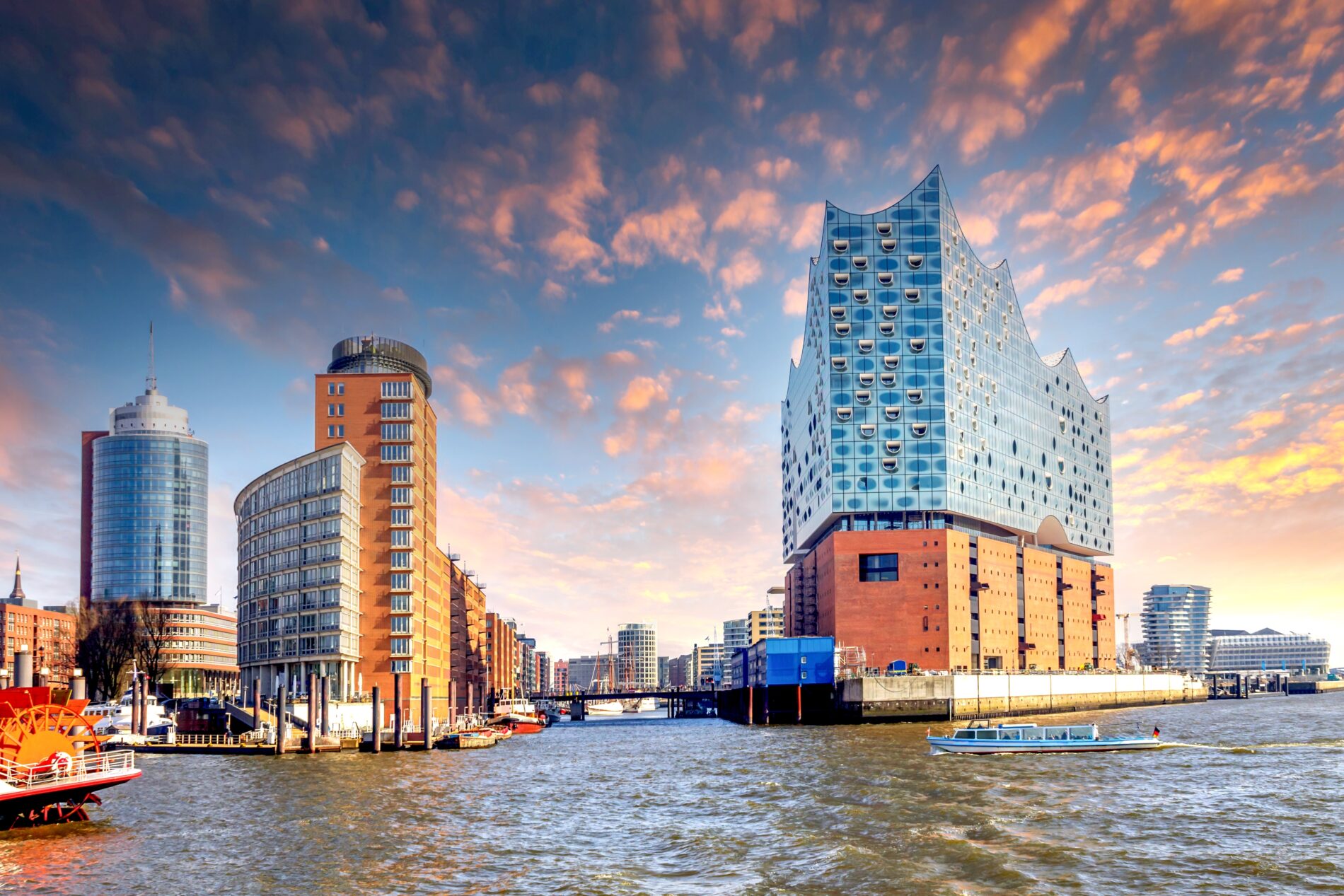
Hamburg is artificially improving its climate footprint by including stoves in Africa that never existed

Hamburg’s carbon footprint is at the heart of a political process that extends far beyond a single project. For years, the city improved its CO₂ figures using carbon offsetting and emission certificates from Africa, even though the furnaces financed for this purpose did not exist in those countries. While measurable savings were reported on paper,

Hamburg is artificially improving its climate footprint by including stoves in Africa that never existed Read More »

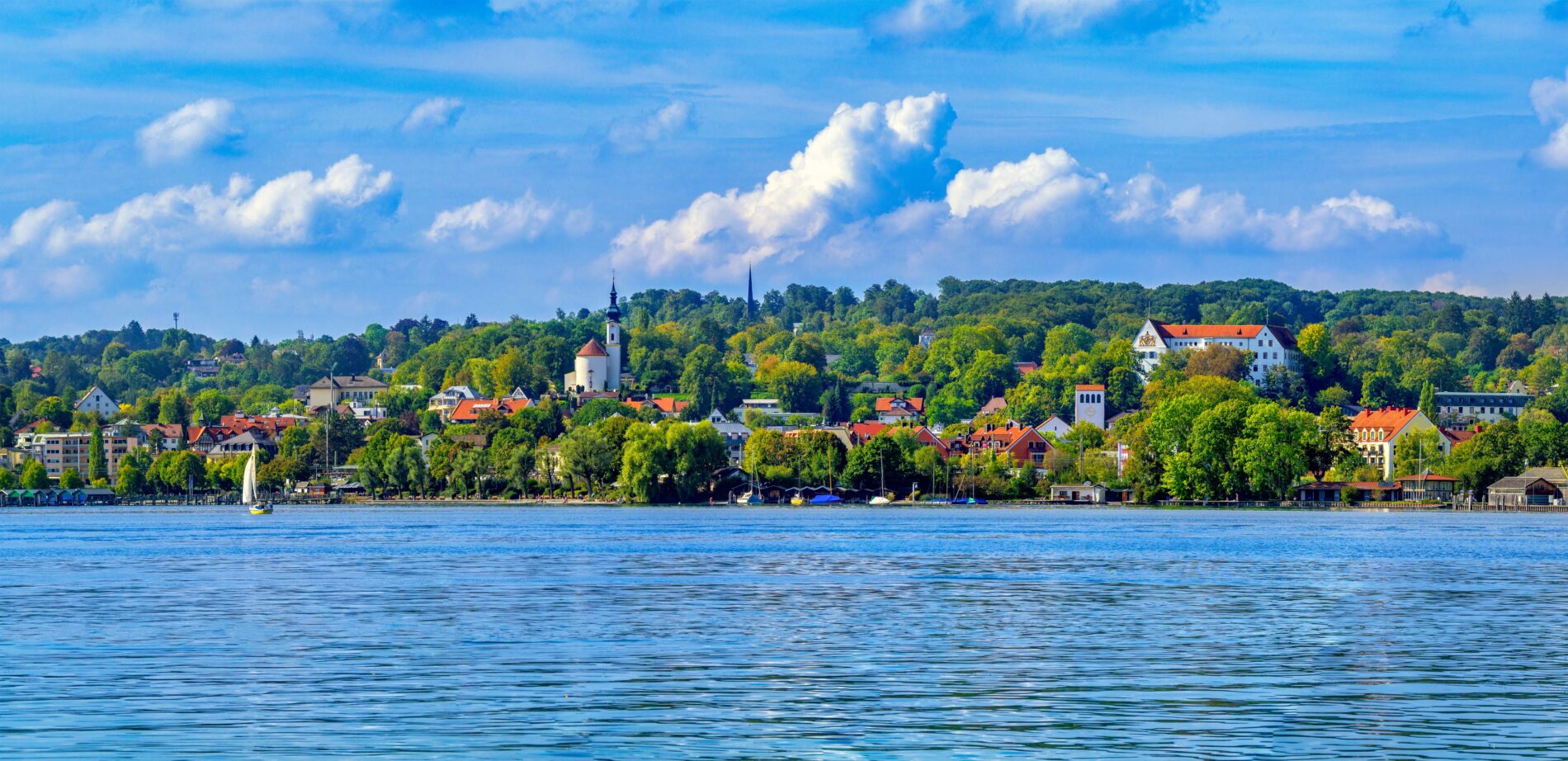
Financial turning point in the Starnberg district – a region of millionaires slides into debt

The district of Starnberg is considered the epitome of prosperity, but its financial situation tells a different story. Rising debt, increasing expenditures, and limited revenues are putting the district under increasing pressure. Debt is approaching €100 million, could double in the short term, and could even reach €280 million in the long term. Despite high

Financial turning point in the Starnberg district – a region of millionaires slides into debt Read More »

Scroll to Top