
Nuremberg – In July 2026, 3.007 million people were registered as unemployed in Germany—71,000 more than in June. The unemployment rate rose to 6.4 percent, while the Federal Employment Agency projects a deficit of more than eight billion euros for 2026. Added to this is a deficit of at least 1.4 billion euros from the previous year. Consequently, the financial situation of the unemployment insurance system is deteriorating significantly. Agency head Andrea Nahles has not ruled out higher contribution rates, though she emphasizes that an increase is not currently being pursued. No decision to raise contributions has been made.
Weak labor market weighs on revenues and expenditures
The three-million mark has once again become significant, primarily due to seasonal effects. However, in seasonally adjusted terms, unemployment rose by only 6,000 people in July. Nevertheless, there were 28,000 more registered unemployed persons compared to July 2025. In addition, employment subject to social security contributions fell by 69,000 year-on-year in May, dropping to 34.83 million.
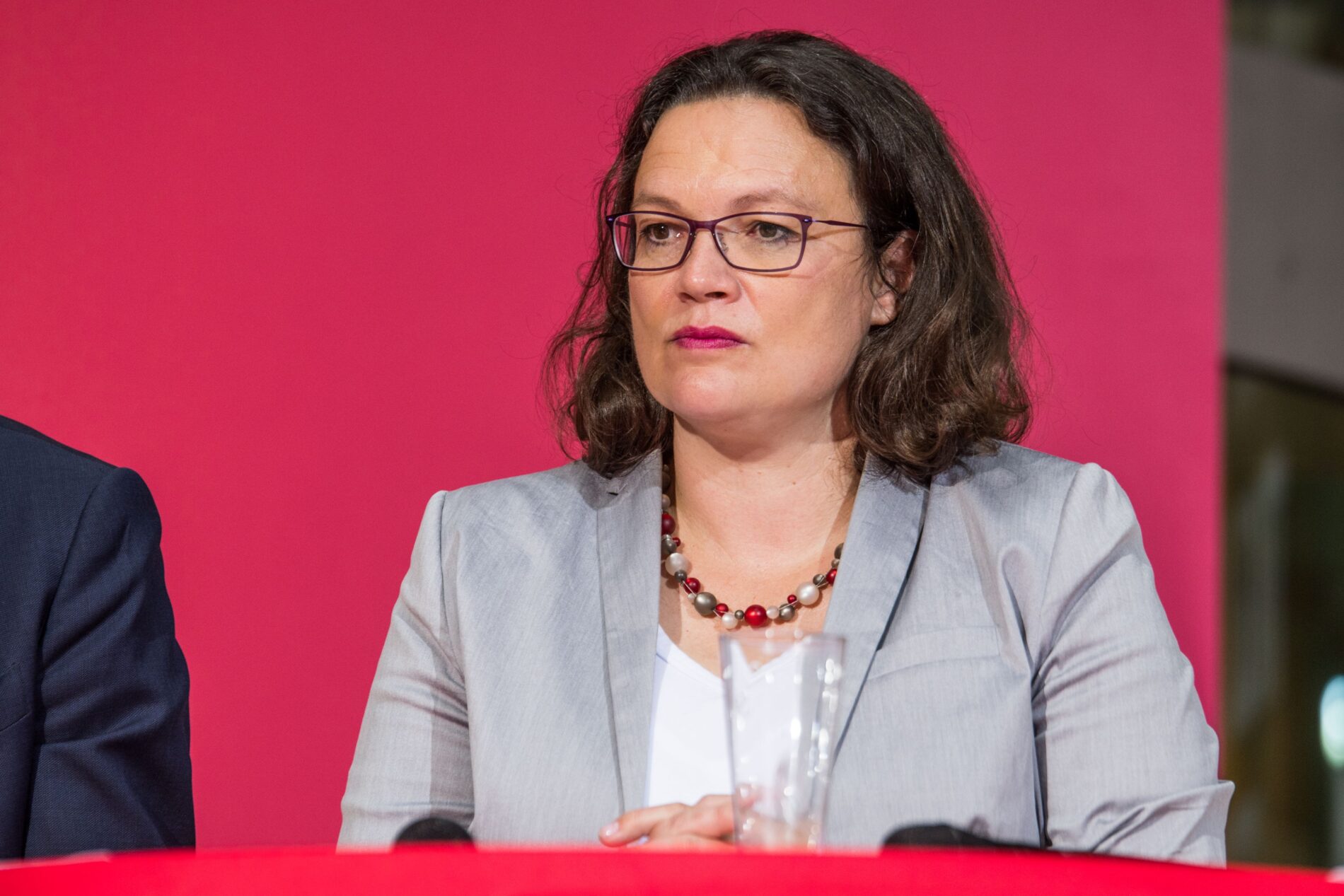
Image: Shutterstock
Demand for labor also remains weak. In July, 653,000 job vacancies were registered with the Federal Employment Agency (BA), while 1.108 million people received unemployment benefits. This represented an increase of 107,000 recipients compared to the previous year. Consequently, the agency’s expenditures are rising, even though—according to BA head Andrea Nahles—contribution revenues are not the primary issue.
Unemployment insurance fund depleted; billions in funding needed
Between January and July, approximately €17.7 billion was paid out in unemployment benefits—an increase of about €2.5 billion compared to the same period the previous year. The BA had already exceeded its planned expenditure by €4.24 billion; as a result, the unemployment insurance reserve has now been exhausted.
For 2026, the BA had originally projected revenues of €49.23 billion and expenditures of €52.60 billion. However, the economic slowdown has rendered these projections obsolete. According to a financial report by the agency, the deficit could exceed €8 billion in 2026. Furthermore, the liquidity assistance required from the federal government could total around €23 billion by 2030.
Higher contributions would further increase labor costs
The unemployment insurance contribution currently stands at 2.6 percent of the gross wage subject to contributions. Employees and employers each bear half of this cost. According to Nahles, a 0.1 percentage point increase generates approximately 1.6 billion euros in additional annual revenue. Consequently, economists estimate that an increase of roughly 0.3 to 0.5 percentage points would be necessary to fully offset the deficit, depending on its size.
However, such a solution would increase the already high burden on labor. The total social security contribution rate is set to reach 42.3 percent in 2026, up from 39.7 percent in 2019. The Council of Economic Experts projects a rise to 45.4 percent by 2030 if the legal framework remains unchanged. Higher unemployment insurance contributions would therefore depress net incomes while simultaneously driving up labor costs for companies.
Author: Blackout News
Sources: Apollo News (13.08.26) – Merkur (10.08.26)