
After years of negotiations, NATO nations have decided to expand the alliance’s existing fuel supply pipeline system into Eastern Europe. The 27-billion-euro investment will support “new facilities, including pipelines, in the eastern and southeastern parts of the alliance,” NATO stated on its website. On Thursday, Romanian President Nicusor Dan welcomed the “important strategic milestone” of the pipeline network’s “eastern expansion.”
The expansion will “modernize NATO’s existing infrastructure for fuel storage and distribution,” NATO explained. This will ensure “that NATO forces have the energy supply they need for combat readiness.”
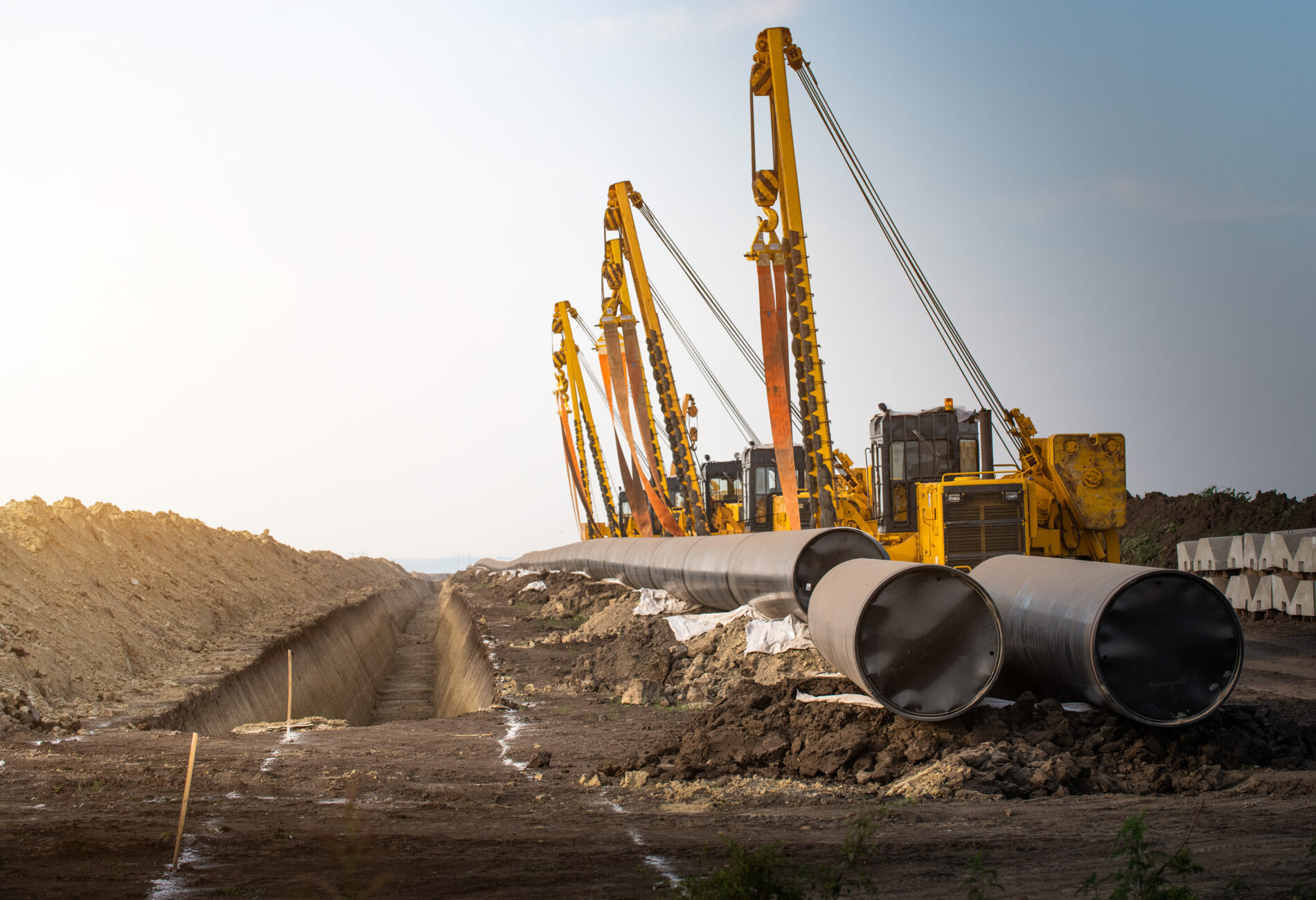
Image: Shutterstock
NATO’s pipeline network, spanning approximately 10,000 kilometers, supplies the defense alliance’s European bases with fuel. It connects facilities such as storage depots, airbases, civil airports, and rail loading points, and has a capacity of 4.1 million cubic meters. The network was built in the 1960s and 1970s, when several current NATO members still belonged to the Warsaw Pact—an adversary of NATO.
The pipeline system currently comprises several national networks as well as two multinational ones. The North European Pipeline System (NEPS) is located in Denmark and Germany, while the larger Central European Pipeline System (CEPS) runs through Belgium, France, Germany, Luxembourg, and the Netherlands. According to NATO officials, expanding the network is expected to take around 25 years.
NATO countries also agreed on the alliance’s budget for the coming year. It was raised to €6.5 billion for 2027 (up from €5.3 billion in 2026).
Author: AFP – ma/fs
Sources: AFP Press Portal