
On June 10 in Berlin, the Union and the SPD decided to let the fuel tax cut expire on July 1. This temporary relief measure had been in effect since early May, lowering energy taxes on petrol and diesel. It was prompted by a sharp rise in oil prices following renewed tensions in the Middle East. Motorists, commuters, and businesses now face the prospect of higher fuel costs, while the coalition government simultaneously warns oil companies against imposing surcharges.
Why the relief measure is expiring
The parliamentary groups see no grounds for an extension. SPD parliamentary group deputy leader Armand Zorn said: “After lengthy deliberations, we have decided to let the fuel tax cut expire on June 30 as planned.” Consequently, the tax relief measure will end after two months.
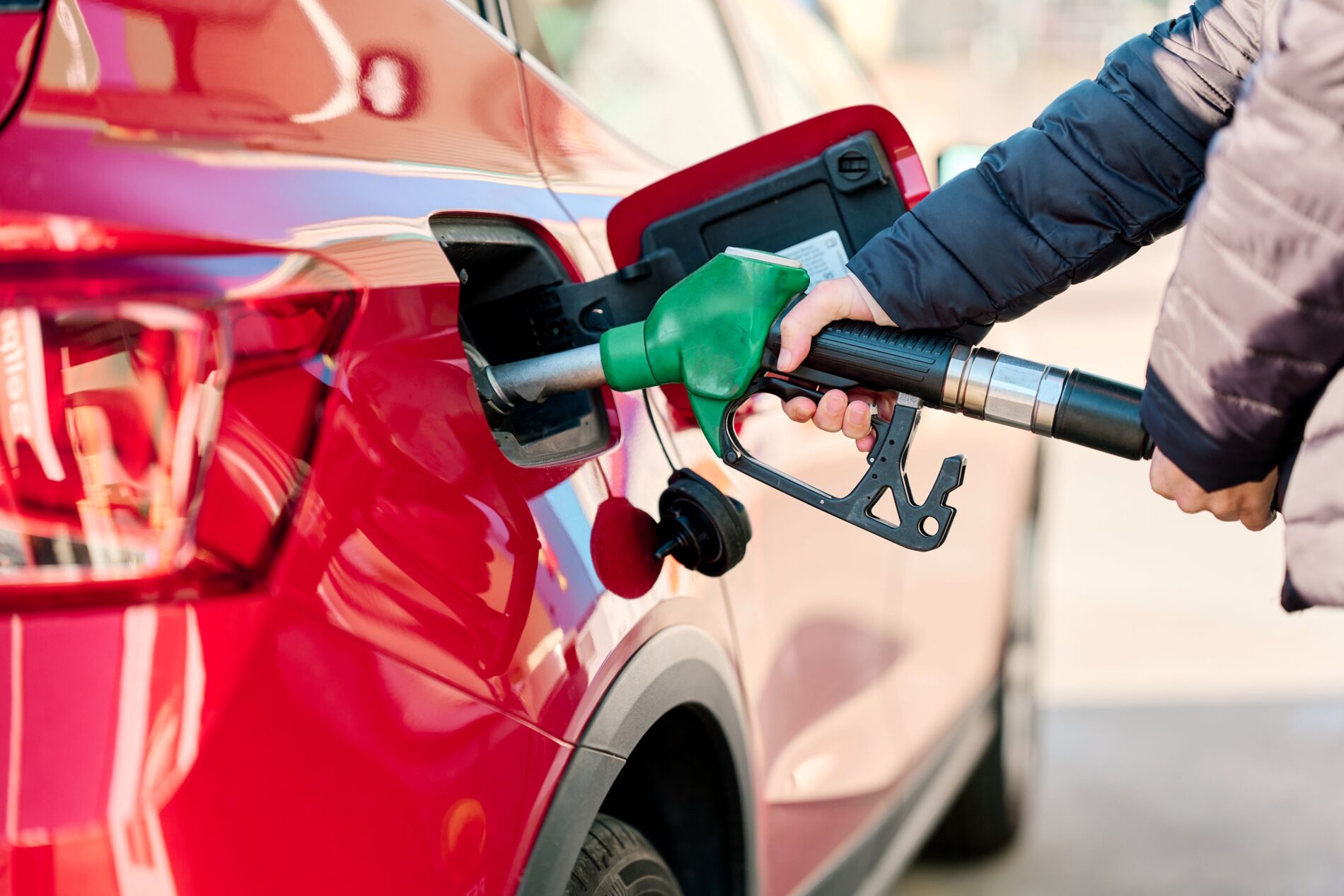
Image: Shutterstock
Sepp Müller, deputy leader of the Union parliamentary group, points to the federal budget: “It makes no sense from a fiscal policy perspective. In the current situation, we cannot afford to take on debt for this.” The state is already foregoing an estimated 1.6 billion euros in revenue, yet the measure does not benefit every consumer equally.
Government threatens special sessions in event of price spikes
The coalition is unwilling to accept sharp price hikes once the measure expires. Müller and Zorn have therefore announced that swift action will be taken. “If the situation changes dramatically from July 1st onwards, we can react quickly,” parliamentary group sources stated.
Special sessions of the Bundestag during the summer recess are also being considered. However, the coalition has not specified a concrete price threshold. This weakens the threat, as companies do not know exactly what would trigger political intervention.
Fuel discount highlights the weakness of blanket relief measures
The fuel discount lowers energy tax by 14.04 cents per liter. Including VAT, this results in a calculated saving of 16.7 cents per liter. However, this relief only reaches the consumer if retailers and gas stations pass it on.
The federal government is therefore examining other instruments for a worst-case scenario. Subsidies for low-income drivers are under discussion. Parliamentary groups have also cited the commuter allowance, energy tax, electricity tax, price caps, and windfall taxes as potential options.
Antitrust laws to tighten oversight of fuel market
At the same time, Müller has announced further antitrust measures aimed at “cleaning up the market and creating greater transparency.” This is intended to enable authorities to take faster action against suspicious fuel pricing patterns.
Nevertheless, the situation remains difficult for commuters and small businesses, as they often cannot absorb higher fuel costs at short notice. Any future relief measures would therefore need to be more targeted than the fuel tax rebate.
Author: Blackout-News
Sources: ntv (10.06.26) – Welt (10.06.26) – NDR (04.06.26) – Bundesregierung (13.05.26)