A commentary by our author Klaus Bastian
On August 3, 2026, Reuters reported a record low water level for the Danube following prolonged heat and drought. Power plants throttled their output, while shipping and water supplies suffered. However, such records apply only to the comparatively short timeframe during which temperatures and water levels have been systematically recorded by weather and gauging stations. Historical heatwaves and droughts predating this period are absent from the rankings cited in these records. Natural archives and chronicles document numerous past years of extreme conditions, some with devastating consequences. In my view, the fact that these events are usually missing from today’s reports of record-breaking conditions is no coincidence: they disrupt the prevailing narrative that portrays exceptional heat and drought as primarily modern-day phenomena.
Historic heatwaves and droughts did not begin with the establishment of weather stations
The Roman Warm Period lasted roughly from 200 BC to AD 500. Sediments from the western Mediterranean indicate exceptionally high regional temperatures. Furthermore, warmth-loving insects in Roman Yorkshire lived significantly further north than they do today. The Romans engaged in large-scale viticulture near Wollaston. At the Schnidejoch pass, coins, hobnails, and textiles provide evidence of a high-altitude pass that was usable at the time. Ice cores from the Weißseespitze provide additional environmental records spanning from the Roman era to the early modern period. Taken together, these findings show that vegetation zones and land-use limits shifted significantly northward and to higher altitudes during earlier warm periods, indicating that temperatures were considerably higher then than they are today.
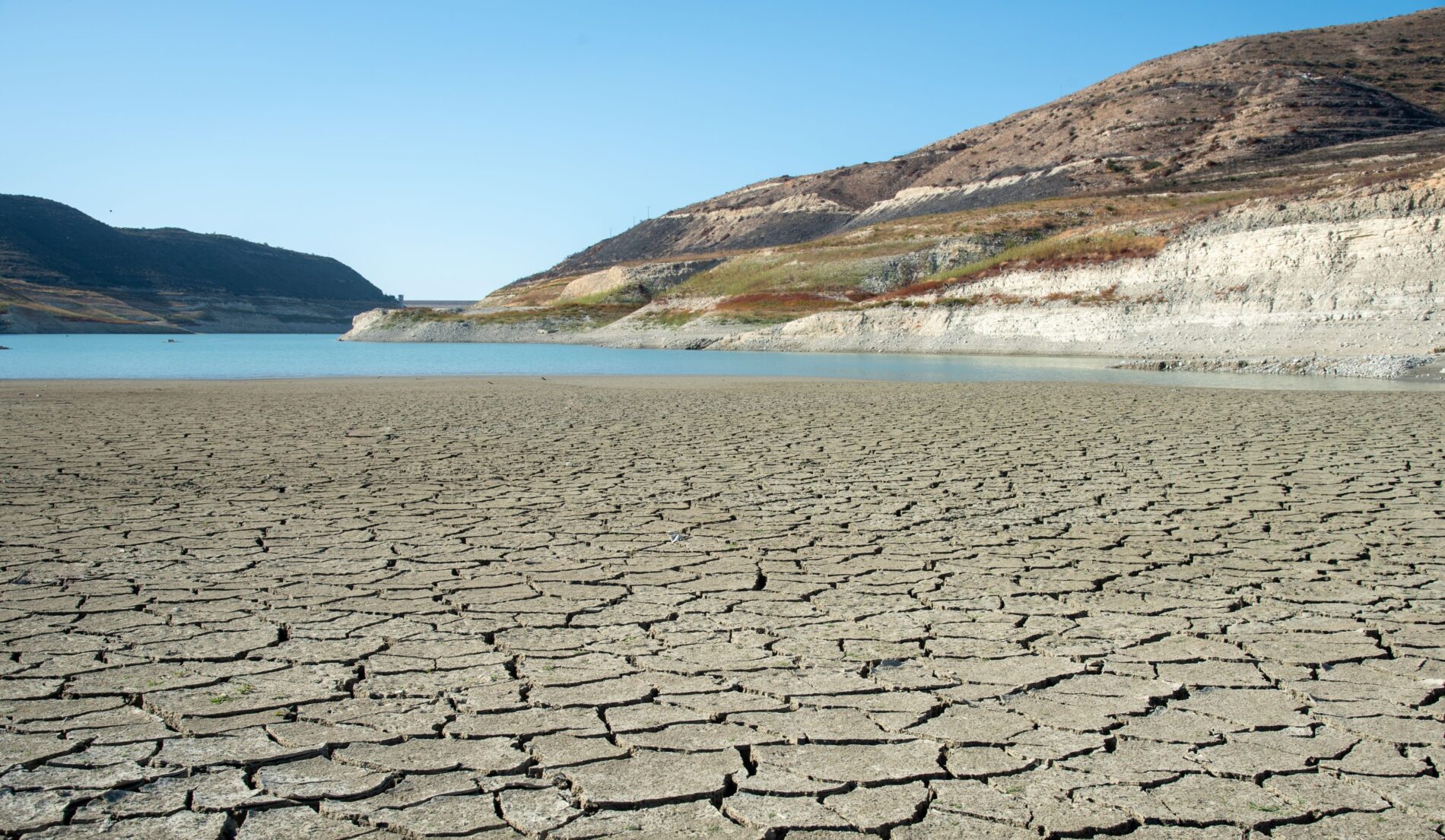
Image: Shutterstock
During the Medieval Warm Period, starting around 985, Norse settlers farmed land in southwestern Greenland. Pollen, charcoal, and lake sediment records provide evidence of pastures and livestock farming near the present-day ice cap. These findings indicate that the climate at the time supported agriculture in regions that later became unusable due to cooling temperatures and shorter growing seasons.
Historical droughts triggered fires and supply crises
Europe was repeatedly struck by severe droughts as early as the High Middle Ages. Chronicles from 1212 and 1252 report months without rain; pastures withered, depriving livestock of their food source, while fires destroyed homes and stockpiles. Clean water became scarce, facilitating the spread of disease.
In 1473, heat and water shortages affected vast areas of Europe. River levels dropped, wells ran dry, and harvests began unusually early. Forest and urban fires destroyed buildings, timber supplies, and food stocks, while the prices of grain and livestock feed soared.
The megadrought of 1540
The megadrought of 1540 further exacerbated these hardships. Across much of Europe, rainfall was unusually low for nearly eleven months. Rivers lost a significant portion of their flow, and springs and wells dried up, causing watermills to stand idle for weeks. People sometimes had to transport their grain over 100 kilometers to find functioning mills. Shipping, the transport of goods, and food supplies collapsed completely across large regions; major German rivers—such as the Rhine, Danube, and Elbe—could in places be crossed on foot, with water levels reaching only knee-height.
At the same time, grain, vegetables, and livestock feed withered in the fields. Many farmers were forced to slaughter their livestock due to a lack of water and pasture. Poor water quality also fostered disease among both humans and livestock. Fires in forests, peatlands, and settlements spread rapidly across the parched landscape. The drought was therefore not merely a weather anomaly; it evolved into a European crisis affecting the economy, public health, and the supply of essential resources.
Subsequent years of extreme weather brought famine, rising prices, and migration
The series of historic heatwaves and droughts did not end after 1540. “Hunger stones” along the Elbe River bear witness to the extreme low water levels of 1616. Between 1631 and 1636, wells, streams, and millraces dried up once again. Crop failures and a lack of fodder for livestock exacerbated the hardships caused by the Thirty Years’ War. Further severe dry spells occurred in 1718, 1719, and 1842. During these times, mills in many locations ground to a halt, while ships were forced to cancel their voyages.
At the same time, the Little Ice Age brought more frequent cold spells and expanding Alpine glaciers. Ice destroyed pastures, fields, and transport routes in the high-altitude valleys. Consequently, many mountain farmers lost their livelihoods and abandoned certain areas. There is evidence that Tyrolean mountain farmers migrated as far as Germany to cultivate the slopes of remote, sparsely populated valleys after being forced to abandon their Alpine farms due to ice and snow. Cold years, crop failures, and high grain prices further fueled emigration to North America. Europe’s climate history thus includes periods of warmth, megadroughts, and cold crises centuries before official records began. For this reason, today’s reports of record-breaking weather should be viewed with caution—and one should at least ask what specific timeframe such a new record actually covers.
Author: Klaus Bastian – Blackout News
Sources (Web): Reuters (03.08.26) – European Geosciences Union (Stand: 03.08.26) – Frontiers (13.03.26) – Cambridge University (21.06.26) – SciencesDirect (Stand: 03.08.26) und viele weitere
Sources (Book):
Rüdiger Glaser: Klimageschichte Mitteleuropas – 1200 Jahre Wetter, Klima, Katastrophen – Primus Verlag, Darmstadt
Wolfgang Behringer: Kulturgeschichte des Klimas – Von der Eiszeit bis zur globalen Erwärmung – Verlag C.H.Beck, München
Ronald D. Gerste: Wie das Wetter Geschichte macht – Katastrophen und Klimawandel von der Antike bis heute – Klett-Cotta, Stuttgart