
Nearly 15 years after Fukushima, the world’s largest nuclear power plant is once again at the center of the energy policy debate. Japan is preparing to restart Kashiwazaki-Kariwa to increase its energy security, implement a controlled restart of nuclear power, stabilize electricity prices in Japan, and permanently incorporate the lessons learned from Fukushima. The project combines economic planning with technological advancements and is also of international significance.
World’s Largest Nuclear Power Plant as Key to Japan’s Energy Supply
The political foundation for the restart was laid by the Niigata Prefectural Parliament with its approval of the recommissioning of Kashiwazaki-Kariwa. This gives the world’s largest nuclear power plant clear regional legitimacy, while Tokyo gains planning certainty. Following the devastating earthquake and tsunami of 2011, Japan shut down all its reactors, but the country is now pursuing a structured return to nuclear energy.
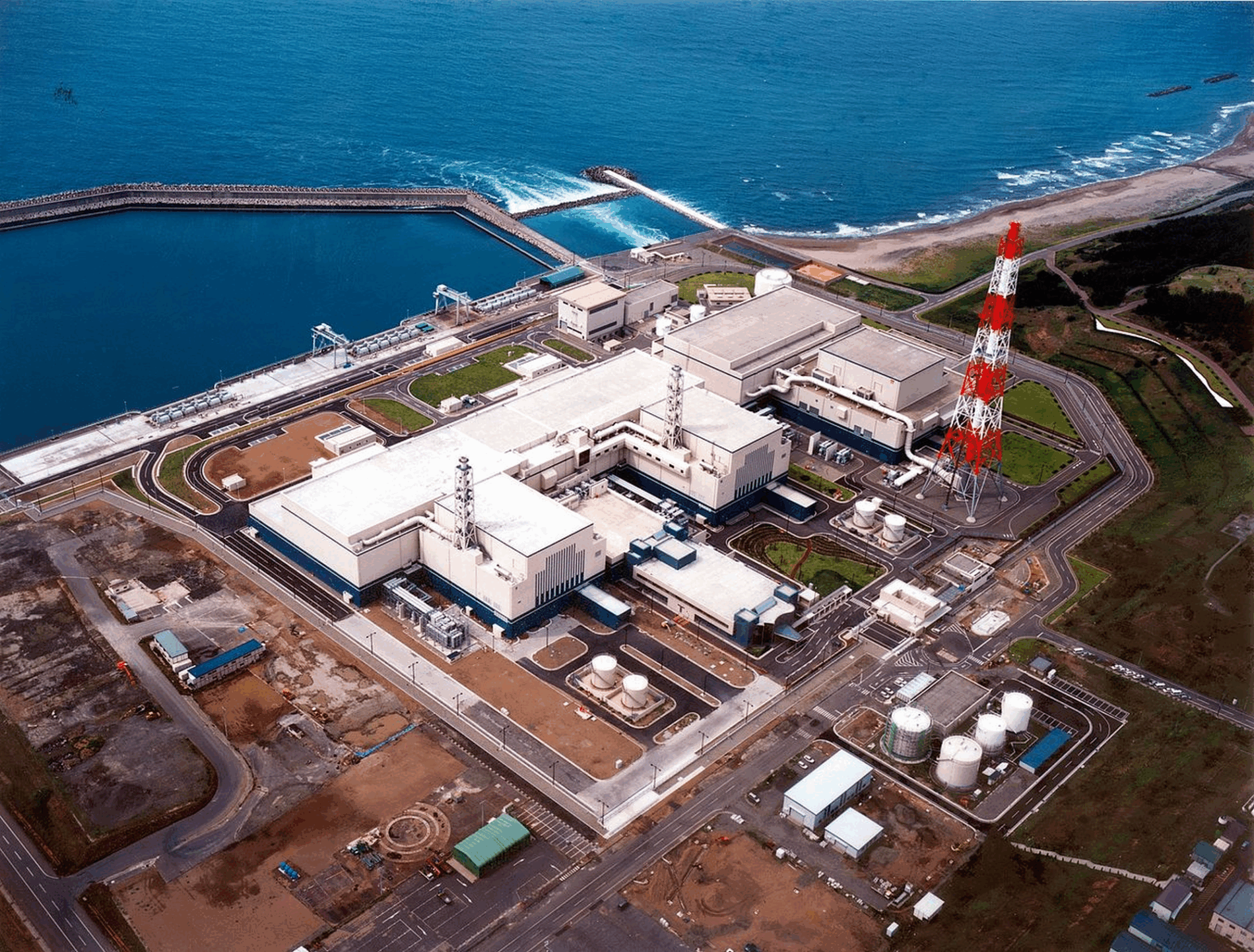
Image: IAEA Imagebank, CC BY-SA 2.0, via Wikimedia Commons
.jpg)
Today, 33 reactors are still considered technically viable. Fourteen are already generating electricity again. Kashiwazaki-Kariwa occupies a special position because its enormous output measurably strengthens Japan’s energy security. As the world’s most powerful nuclear power plant, it can fill supply gaps and significantly reduce the import of fossil fuels.
Safety Standards and Lessons Learned from Fukushima Shape Operations
The planned restart of nuclear power is based on a comprehensively modernized safety concept. As early as 2017, the Japanese Nuclear Regulation Authority confirmed that reactors 6 and 7 meet the stricter requirements established after Fukushima. These lessons from Fukushima were incorporated into technical upgrades, organizational procedures, and emergency response structures, thereby significantly raising the safety level.
Operator Tokyo Electric Power Company emphasizes that the experiences from Fukushima Daiichi are being permanently taken into account. A company spokesperson stated: “We are firmly committed to never allowing such an accident to happen again.” This statement underscores that the restart of nuclear power is based on responsibility, while the lessons learned from Fukushima continue to serve as the benchmark.
Relief for electricity prices in Japan and industry
In addition to safety, economic effects are coming into focus. Japan imports large quantities of oil and gas, which puts a strain on electricity prices. The world’s largest nuclear power plant can reduce this dependence because it provides large amounts of electricity continuously. This will provide relief for households and businesses, while strengthening the competitiveness of the location.
Local media expect reactor unit 6 to be connected to the grid as early as next month. This step improves Japan’s energy security because a stable base load will be available. At the same time, the additional capacity will have a dampening effect on electricity prices in Japan, as costly backup solutions become less important.
National Strategy with International Impact
The central government also supports this course. Prime Minister Sanae Takaichi’s government sees the restart of nuclear power as a key component for energy security and climate goals. Nuclear power complements renewable energies when wind and sun fail, and at the same time implements the lessons learned from Fukushima.
The world’s largest nuclear power plant thus represents a strategic shift. Japan is combining modern nuclear technology with political control and economic stability. Japan’s energy security is gaining importance, while electricity prices in Japan are becoming more predictable. This combination explains the international attention given to Kashiwazaki-Kariwa.