
In Germany, high diesel prices are currently driving up not only costs for drivers but also inflation for food and many everyday goods. The trigger is the noticeable increase in fuel costs, which makes transportation, agriculture, refrigeration, processing, and retail more expensive. The biggest risk factor lies in the duration of the price surge, because the longer the high levels persist, the more companies will pass on the burden through their supply chains. The consequences therefore affect far more than just commuters. Supermarkets, drugstores, and other retailers are paying higher logistics costs, while consumers later feel the effects of rising prices in their daily lives.
Diesel fuel is driving up supply chain costs across the country
The most significant impact is seen in road freight transport. A large portion of goods in Germany are delivered to warehouses, markets, and retail outlets by truck. When fuel prices rise, many freight companies increase their rates or charge surcharges. These additional costs aren’t absorbed by the transport companies themselves. They are gradually passed down the entire supply chain.
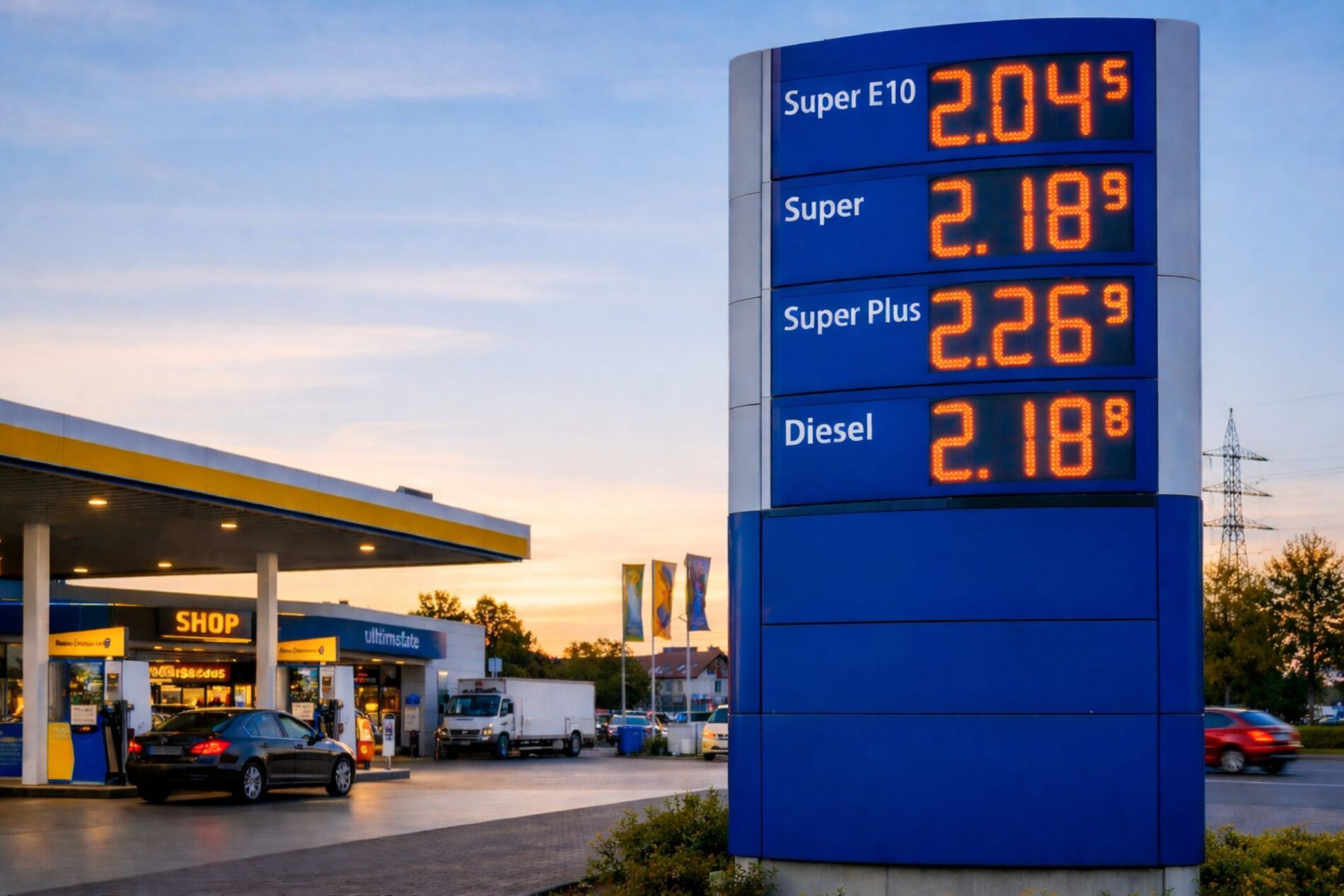
This doesn’t just affect individual industries, however. Almost every product travels several routes before it reaches the shelf. Raw materials are transported to processing plants, finished goods to wholesalers, and then to retailers. Every additional transport further increases the price of the final product. This effect is particularly noticeable with diesel, as trucks, refrigerated vehicles, and many commercial vehicles depend on it.
Food products react especially quickly to high fuel prices
The cost pressure has a particularly direct impact on food products. Fruits, vegetables, meat, and dairy products often travel long distances. At the same time, many goods require continuous refrigeration, which makes logistics even more expensive. Even small additional costs therefore add up very quickly along the supply chain.
The agricultural sector itself also contributes. Tractors, harvesters, and many other machines consume diesel. Therefore, costs rise as early as sowing, cultivation, and harvesting. Storage, processing, and packaging follow, all of which also cost money. Fresh produce is therefore particularly sensitive to high fuel prices.
Drugstore items, beverages, and paper goods are also becoming more expensive
However, the effect doesn’t stop at the grocery store. Detergents, cleaning products, pet food, drinks, paper towels, and toilet paper also depend on transportation, storage, and energy-intensive production. Many of these goods are purchased regularly by households. Price increases are therefore quickly noticeable and immediately impact budgets.
The price increase is immediately apparent at the gas station. However, it often only fully appears in the official inflation figures later. This is due to supply contracts, ongoing calculations, and fierce competition in the retail sector. Companies usually only raise their sales prices when cost pressures persist. This is precisely why high fuel costs ultimately affect not only drivers but practically every single household in Germany. (KOB)