
In Brussels on March 16, 2026, European Commission President Ursula von der Leyen explicitly warned EU heads of state and government against prematurely shutting down functioning nuclear power plants. The trigger was the escalating conflict with Iran in the Middle East, which, according to the letter, is having severe geopolitical and geoeconomic consequences for Europe and is already impacting energy, trade, transport, finance, and supply chains. In this situation, von der Leyen sees Europe’s heavy reliance on imported fossil fuels as a key risk. Since the start of the conflict, the EU has already spent an additional €6 billion on fossil fuel imports, according to the Commission. Should there be prolonged disruptions to oil and gas supplies from the Gulf region, further price increases, burdens on industry, and noticeable consequences for consumers are likely. (table.media: 16.03.26)
Letter Makes Warning Against Nuclear Power Plant Shutdowns the Central Issue
The letter sets a clear focus. Von der Leyen not only calls for short-term aid to combat the energy crisis, but also directly addresses existing power generation. She warns against taking power plants offline that can continue to reliably, affordably, and with low emissions supply electricity. In doing so, she places functioning nuclear power plants at the center of the debate on security of supply and electricity prices. She also indirectly criticizes Germany’s nuclear phase-out.
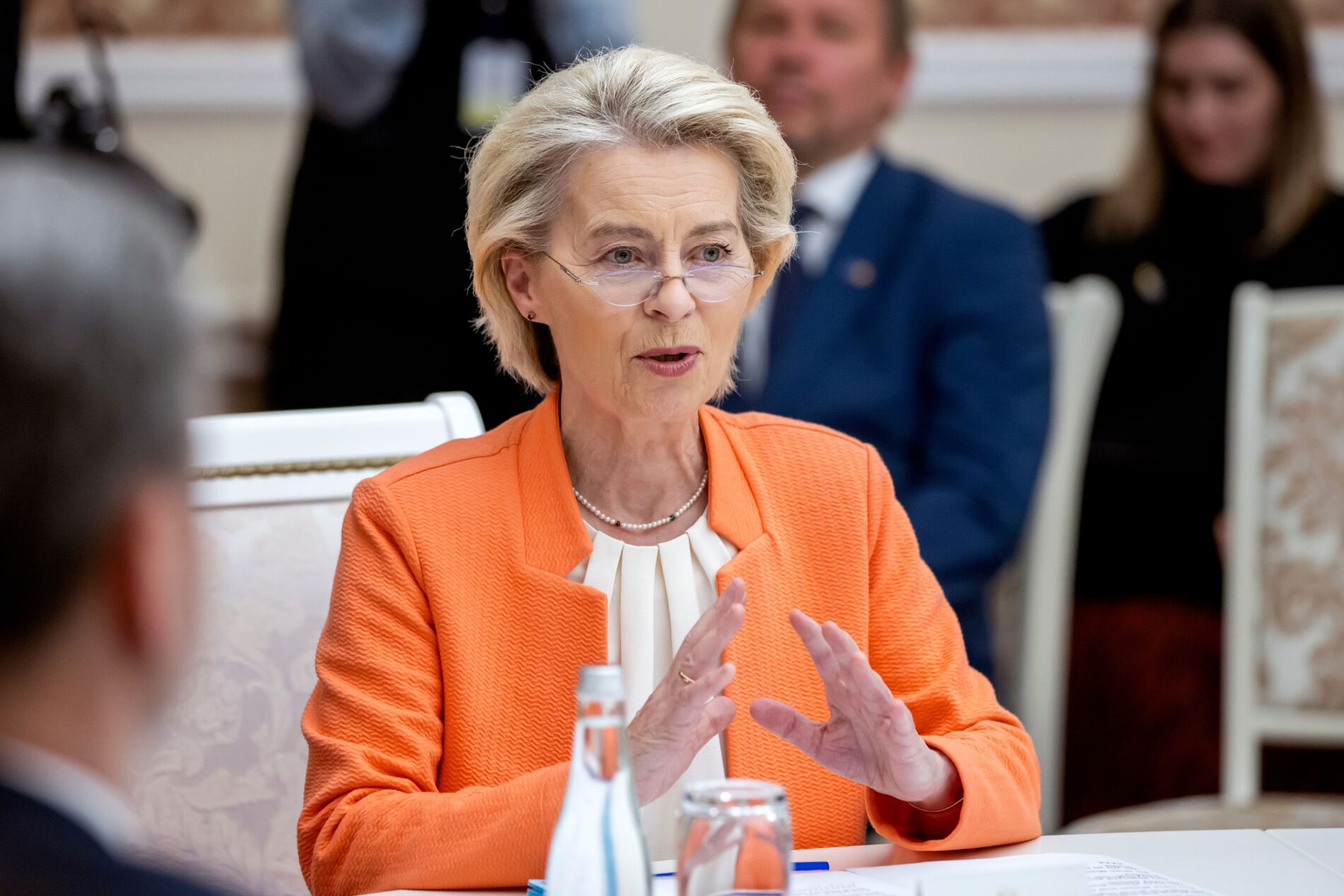
This passage is politically sensitive because it re-evaluates the future of existing reactors. The letter is not about symbolic politics, but about available capacity within the existing system. As long as these plants provide a stable electricity supply, the Commission believes they should contribute. The letter therefore considers them part of the solution, not a legacy of past energy policy decisions.
Electricity supply should remain stable despite the Iran conflict
Von der Leyen also points to the structure of the European electricity mix. The share of renewable energies in EU electricity has increased from 36 percent in 2021 to 48 percent in 2025. Together with nuclear power, more than 70 percent of electricity now comes from low-carbon sources. This is precisely why the Commission considers a premature shutdown of existing nuclear power plants risky.
If functioning reactors are taken out of service, the pressure on other forms of energy generation increases. This could lead to a greater need for more expensive fossil fuel power plants, while at the same time Europe would be less resilient to external crises. The letter directly links this danger to high energy prices. From this perspective, security of supply, low emissions, and affordable electricity are closely intertwined.
High prices are to be reduced at several points
Von der Leyen is therefore calling for swift next steps to combat persistently high electricity prices. New aid should be targeted, time-limited, and financially controllable. At the same time, it must not hinder decarbonization. The Commission therefore wants not only to mitigate the consequences of the crisis with Iran but also to address the structural causes.
The letter identifies four key levers for this: the actual electricity price, grid fees, taxes and levies, and CO2 costs. Plans include more long-term electricity contracts, relief for energy-intensive industries, lower grid costs, and more favorable treatment of electricity compared to gas. Against this backdrop, the warning against shutting down functioning nuclear power plants takes on added weight. Those who prematurely abandon existing, reliable, and cost-effective capacities will ultimately exacerbate precisely the problem that the EU now urgently wants to solve.