
In the U.S. state of Utah, the Military Installation Development Authority approved the Stratos project in Box Elder County on April 24, 2026, while the County Commission gave the green light on May 4. The O’Leary Digital campus is slated to be built on approximately 40,000 acres of private land, as well as 1,200 acres of state and military property. The project is driven by the rapidly rising demand for electricity from AI data centers; at the same time, Kevin O’Leary points to the competitive landscape involving China. However, the critical risk factor lies in the sheer scale of the project: Stratos is projected to generate and consume up to 9 gigawatts of power. This would amount to more than double the average electricity currently consumed by the state of Utah. Consequently, residents, water resources, air quality, and regional infrastructure are all impacted. (tomshardware: 29.04.26)
Project Stratos Aims to Generate Its Own Electricity
However, the facility is not to be connected directly to the existing power grid. The operators plan to establish their own energy supply using natural gas. To this end, the project is to be connected to the Ruby Pipeline, which transports natural gas from Wyoming toward Oregon.
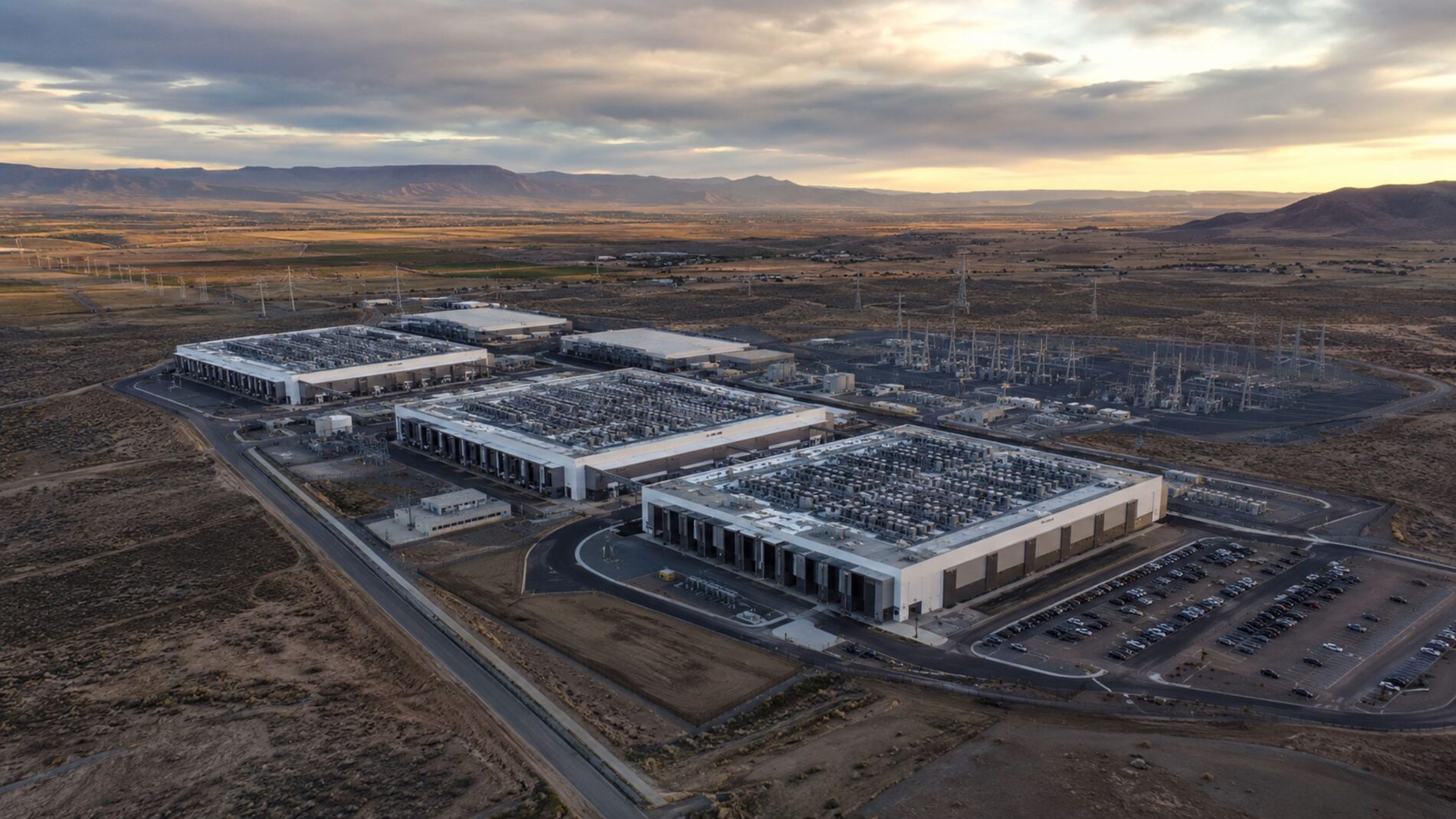
The first expansion phase is expected to supply approximately 3 gigawatts. Upon full build-out, O’Leary Digital aims to generate 9 gigawatts to meet its electricity requirements. MIDA Director Paul Morris stated that the facility would not draw “a single electron” from the existing grid. Furthermore, surplus electricity could be fed back into the grid at a later stage.
Tax Deals Aim to Attract Cloud Giants
At the same time, Utah is banking on generating substantial revenue. To this end, MIDA has reduced the energy consumption tax from 6 percent to 0.5 percent. Additionally, 80 percent of the property tax revenue generated by the project is slated to flow back to O’Leary Digital.
Despite these incentives, Box Elder County anticipates receiving approximately $30 million per year during the initial phase. Once fully operational, this figure is expected to exceed $100 million. The state, for its part, expects to generate an additional $250 million annually in sales tax revenue. Furthermore, MIDA projects the creation of approximately 2,000 permanent jobs following the construction phase.
Residents Push Back Against Water and Environmental Impacts
However, resistance is growing. Residents of Box Elder County are organizing referendums to challenge decisions made by the County Commission. They criticize the pace of development, its scale, and its potential consequences for water, air, health, and quality of life.
Water, in particular, remains a contentious issue. A proposed transfer of 1,900 acre-feet of water rights sparked thousands of protests. The application was initially shelved but is expected to be resubmitted with additional documentation. Critics therefore warn that water consumption could rise to levels exceeding current agricultural usage.
Nevertheless, O’Leary defends the project as a vital contribution to AI infrastructure. Speaking before the MIDA board, he stated: “In the past 24 months, China has built 400 gigawatts of new power capacity—and a large portion of that powers AI data centers.” He went on to add: “We are in a race against them.” Yet it is precisely this line of reasoning that highlights the core of the conflict: the expansion of AI infrastructure is accelerating, while local communities are left to bear the consequences.