
The US government is pushing ahead with the construction of new coal-fired power plants and is planning a completely new facility in Alaska for the first time in over ten years. The Terra Energy Center is slated to be built at a cost of around one billion dollars, with a capacity of 1.25 gigawatts. Coal now accounts for only about 16 percent of the US electricity mix. Washington cites the increasing electricity demand from data centers for artificial intelligence as the driving force, while also linking the move to the technological race against China. However, the decisive risk factor remains economic viability, as the market has long since shifted towards cheaper natural gas and other alternatives. Experts, financial analysts, and environmental organizations are therefore warning of high costs, uncertain returns, and a setback in energy policy. (telepolis: 17.03.26)
US Government bucks market trend
The project in Alaska marks a break with the developments of recent years. Just a few years ago, coal covered more than half of the US electricity demand, but its share has since fallen sharply. Many utilities switched to cheaper and more flexible energy sources, while new coal-fired power plants played a negligible role.
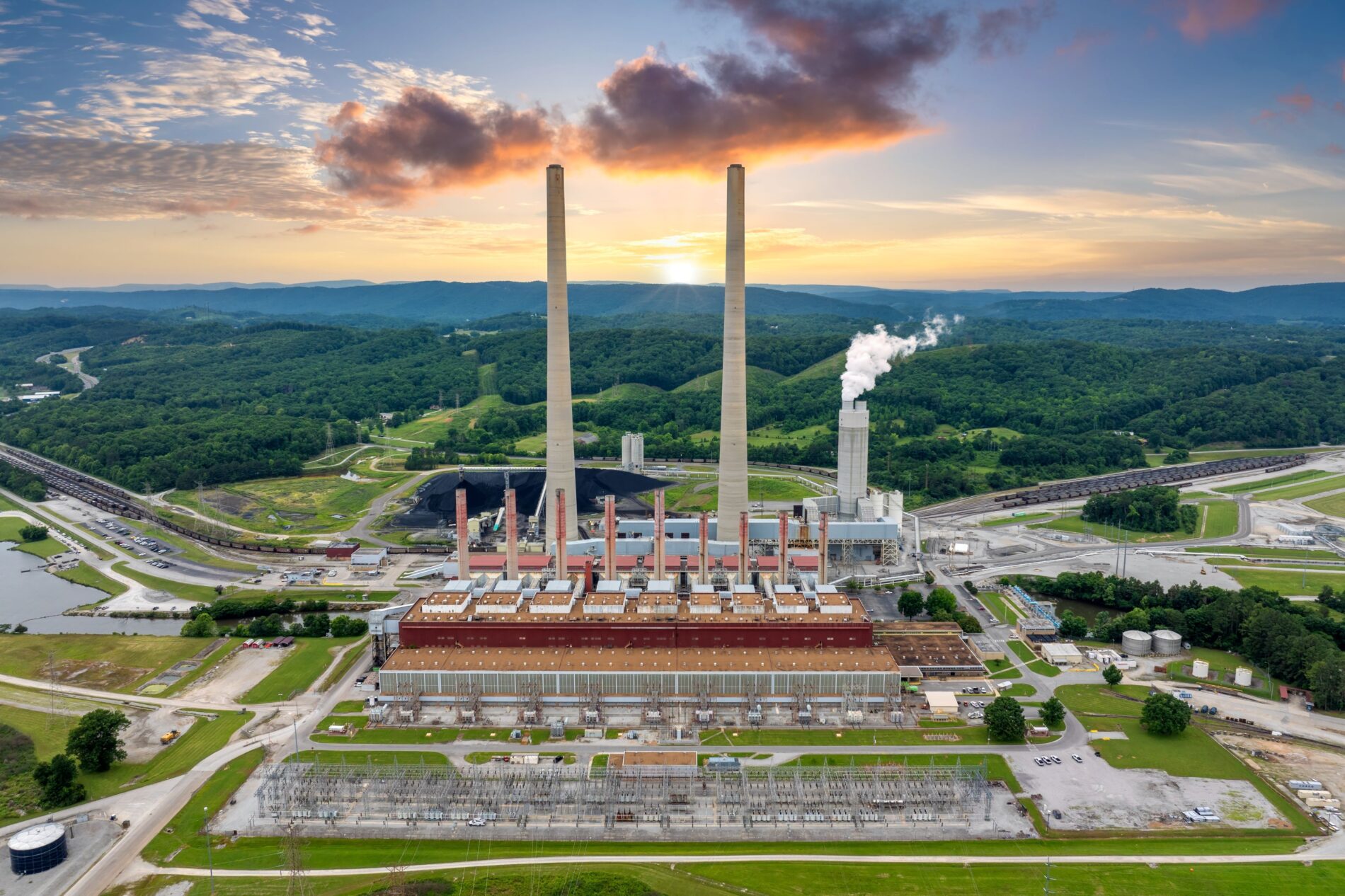
Nevertheless, the US government is now taking targeted action. Energy Secretary Chris Wright stated that plants with a total capacity of 17 gigawatts will remain online, plants that would likely have been shut down without political intervention. Furthermore, the federal government is providing up to $525 million for modernization and new construction. With this move, Washington is deliberately going against the market, even though the market itself has been pushing back coal for years.
Alaska Project with Foreign Capital
In Alaska, this approach is already taking concrete form. The Terra Energy Center is planning a 1.25-gigawatt plant there and is also relying on international partners. The South Korean investment company Koreit intends to provide half of the equity capital, and the consortium has also signed a letter of intent with Hyundai Heavy Industries Power Systems for the power plant boilers.
The scale of the project is considerable. For comparison: The last similar plant in the US was Sandy Creek in Texas, which went online in 2013 with a capacity of 932 megawatts. This is precisely why analysts are watching closely. Dennis Wamsted of the Institute for Energy Economics and Financial Analysis warns that new coal-fired power plants are met with considerable skepticism on the capital market. The crucial question is whether investors will ever be able to recoup their investment.
AI Boom Serves as Justification for US Government
The government justifies its coal policy primarily by citing the AI industry’s insatiable energy demands. Data centers require large amounts of power around the clock, and this is precisely the basis for the US government’s new approach. Homeland Secretary Doug Burgum articulated the goal of uninterrupted power supply and directly linked the energy issue to competition with China.
The coal industry also supports the policy. Randall Atkins, CEO of Ramaco Resources and a member of the revived National Coal Council, clarifies the industry’s perspective: “The central question is how to reliably supply power to data centers.” This once again places coal at the center of the debate as a supposedly secure source of baseload power, even though other technologies are now often significantly cheaper.