
The CSU’s winter retreat starts on January 6th in Seeon, and they are making the desired return to nuclear power the political hook. Söder is demonstratively pushing this about-face forward, even though in 2011 he threatened to resign and insisted on phasing out nuclear power. This tension undermines his credibility, because energy policy thrives on stability, not on shifts in public opinion. (handelsblatt: 01.01.26)
A U-turn with a history: May 26, 2011 as a breaking point
In May 2011, Söder tied the nuclear phase-out by 2022 to his own person, and he applied maximum pressure (welt: 26.05.2011). At the time, he threatened “profound consequences,” including “very personal” repercussions. This threat of resignation was more than mere rhetoric; it turned an infrastructure issue into a power struggle. That’s precisely why today’s about-face doesn’t seem like a sign of maturity, but rather a role reversal driven by circumstances.
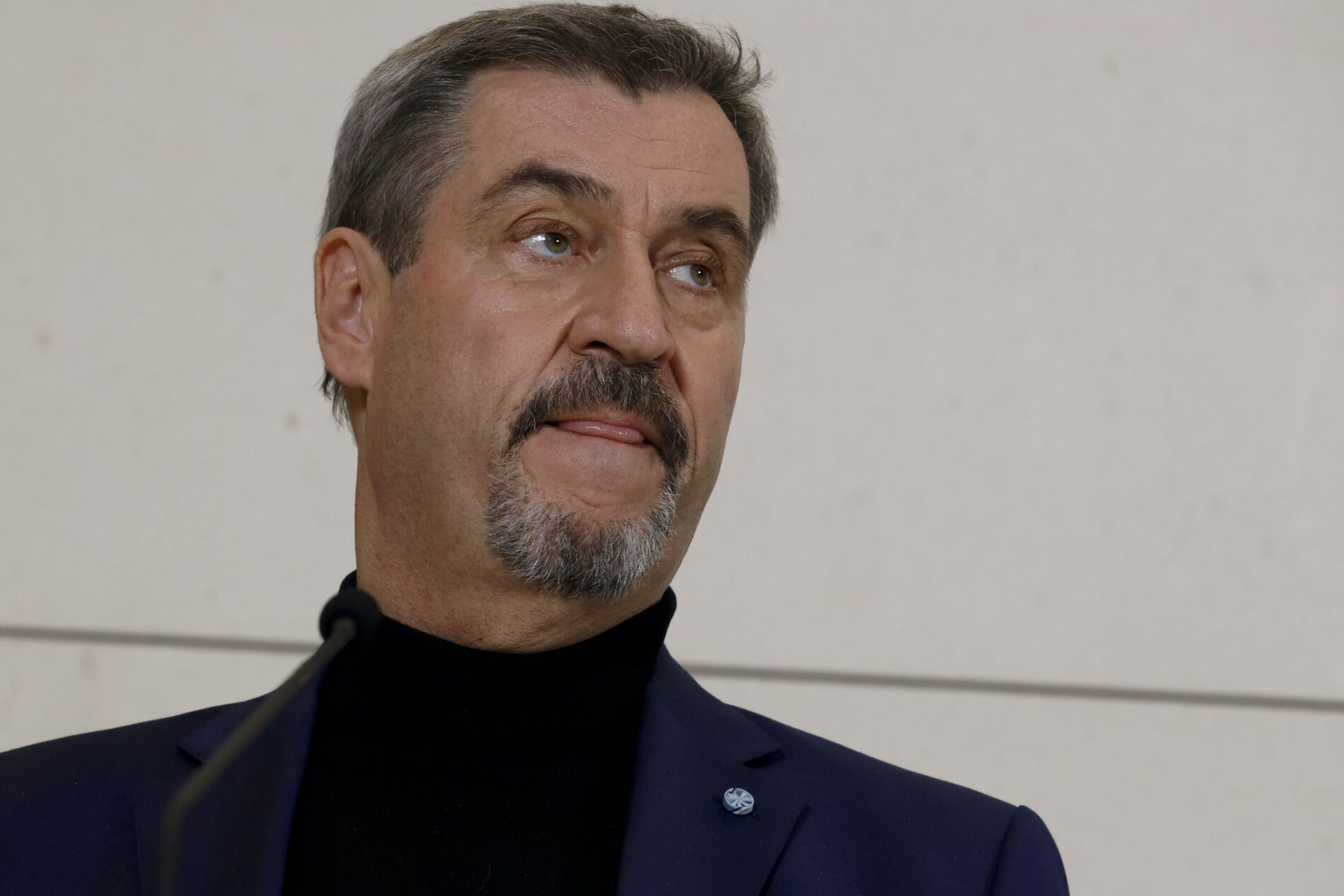
Söder can change course, but then he must lay bare the logic behind it and also admit that this decision has cost citizens a great deal of money. Instead, what often remains is the impression of a course-change maneuver driven by headlines. Anyone who threatened to resign yesterday must explain today why their previous goal is suddenly wrong. Otherwise, nuclear power becomes mere window dressing and politics descends into improvisation.
Winter retreat as a stage: Nuclear power once again becomes a symbol
In Seeon, the winter retreat is intended to set the tone for the year, and Söder is using the occasion like a starting signal. The CSU is linking nuclear power to a future narrative, promoting circular economy concepts for radioactive materials that don’t even exist yet. “Our goal is nuclear energy without radioactive waste,” they say. But a formula is no substitute for a coherent strategy, and Söder, in particular, owes one.
His credibility hinges on his own history, because in 2011 he pushed through the nuclear phase-out date with his threat to resign. Now, the about-face in favor of nuclear power is supposed to be seen as decisiveness, even though it’s the same dramatic tactic. Anyone who acts like this is turning politics into a gamble for attention, and that’s risky.
Vagueness as a Political Pattern: The Real Burden
The debate about nuclear power is often conducted on technical grounds, but Söder’s problem is political. He jumps between positions and sells each leap as a sign of reason. In doing so, he raises the bar, because success is no longer about security of supply, but about controlling the narrative. Populism emerges here as a style, because the performance becomes more important than the policy.
This about-face therefore doesn’t come across as a sober assessment, but rather as a staged performance. For businesses, planning is crucial, and for households, reliability is paramount. When leadership constantly reinvents itself, credibility suffers, and trustworthiness also declines. This is all the more true when a threat of resignation previously served as a moral lever, but isn’t even addressed today.
Seeon, January 6: What Söder Needs to Deliver
If Söder is serious about returning to nuclear power, then an honest assessment is needed first. He must explain the pressure exerted back in 2011 and justify why the about-face is more than just a tactic to win votes. He must also clearly state what goals he is pursuing today and what conflicts of interest he accepts. And he must also acknowledge the immense damage caused by the nuclear phase-out. Without this step, the winter retreat will remain a closed-door meeting of grand pronouncements.
Ultimately, consistency, not pathos, will be decisive. Söder can advocate for nuclear power, but he must consider his own history. Otherwise, the nuclear policy will remain a signal without end, and the next change of course will simply be a matter of opinion polls. (KOB)