
The EU will soon decide on the Turnberry Agreement with the US, and the consequences extend to energy supply. The European Parliament is set to vote on the pact, which Donald Trump and EU Commission President Ursula von der Leyen agreed upon last year in Scotland. The trigger for this escalation is a warning from US Ambassador Andrew Puzder that Europe must accept the agreement without changes, otherwise it risks facing less favorable terms for importing American liquefied natural gas (LNG). The timing is critical because the global LNG market remains strained following the blockade of the Strait of Hormuz, the halting of exports from Qatar, and attacks on the Ras Laffan facility. For the EU, this increases the risk of higher prices, fiercer competition for available supplies, and additional burdens for industry, power plants, and consumers. The agreement also covers energy purchases from the US worth $750 billion until 2028, including LNG, oil, and civilian nuclear technology. (ft: 24.03.26)
Washington demands an unchanged agreement
Washington is openly linking the energy component to full acceptance of the agreement, and this is precisely what is exacerbating the conflict. Puzder made it clear that the US will not accept renegotiations. From the American perspective, any change would call the entire framework of the agreement into question. In doing so, the United States is directly linking Europe’s access to US gas to the political acceptance of the entire package.
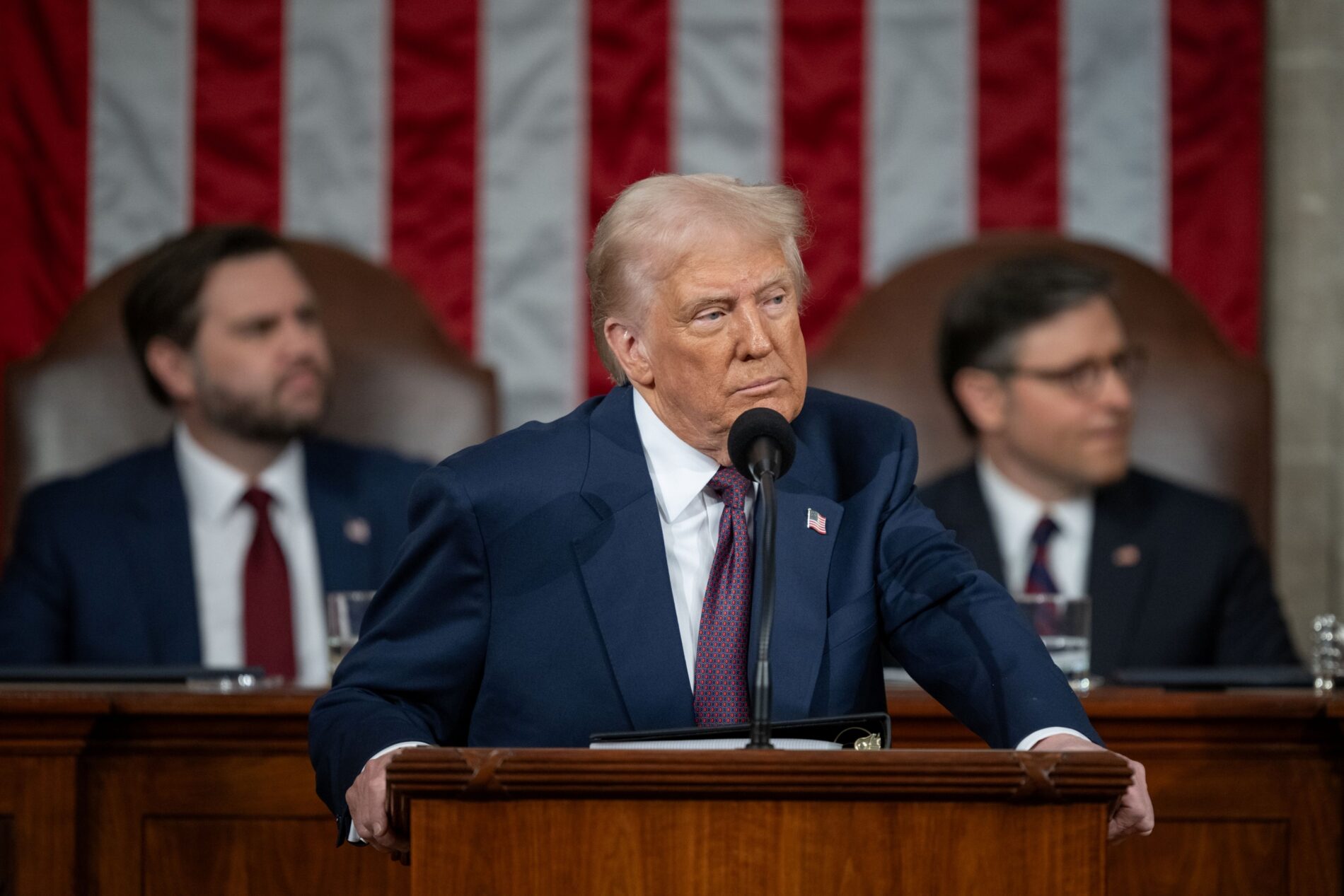
Puzder said: “I don’t know what will happen with energy if they don’t continue with the agreement.” He also stated: “If Turnberry isn’t implemented, then we’re back to square one. I’m not sure what will happen then.” These statements demonstrate how clearly Washington is drawing its line. At the same time, Puzder pointed out that there are other buyers for American gas. This is precisely why the EU quickly loses leverage in a tight market.
Tariffs, Gas Market, and Regulations Increase the Risk for Europe
The Turnberry Agreement regulates not only energy but also tariffs and market access. It stipulates a 15 percent tariff on most EU exports to the US, while the EU is to reduce its duties on American industrial goods and some agricultural products to zero. After the US Supreme Court struck down earlier Trump tariffs, Trump introduced new global tariffs through another law, which could take effect by July 24. This brings the average tariff burden to 15.8 percent. The European Parliament therefore included safeguard clauses in the legislation that could suspend the agreement if Trump follows through on new tariff threats and fails to reinstate agreed-upon exemptions.
This dispute comes at an inopportune time for Europe because the global LNG market remains volatile. Qatar produces around one-fifth of the world’s LNG, while war, blockades, and attacks are further straining the supply situation. Although only a small portion of the LNG transported through the Strait of Hormuz flowed directly to Europe before the war, the entire market reacts to such disruptions, and therefore competition for available LNG cargoes is increasing in Europe as well. Countries like Italy at times sourced up to a third of their LNG from Qatar. Additionally, the European methane regulation is causing controversy because exporters are required to disclose their emissions starting January 1st, and according to Puzder, many US producers are finding it difficult to comply.