
The new emissions standards mark a clear break with Biden’s policies, as Donald Trump prioritizes economic relief over strict climate action. The focus is on revised emissions regulations designed to give the auto industry more leeway. This gives combustion engines a new lease on life in the US market, as lower requirements reduce production and sales costs. This approach affects not only American manufacturers but the entire automotive industry that sells vehicles in the US, because emissions regulations are becoming significantly less important. (zeit: 04.12.25)
Emissions regulations as a signal to markets and corporations
Trump is using emissions regulations as leverage to roll back the environmental standards set by his predecessor. The mere announcement is already having an effect, as international corporations are reassessing their strategies. Emissions rules were long considered a driver for electromobility, but now proven drive technologies are once again coming into sharper focus. This step provides planning certainty, especially for the automotive industry, because investments no longer have to react solely to political targets.
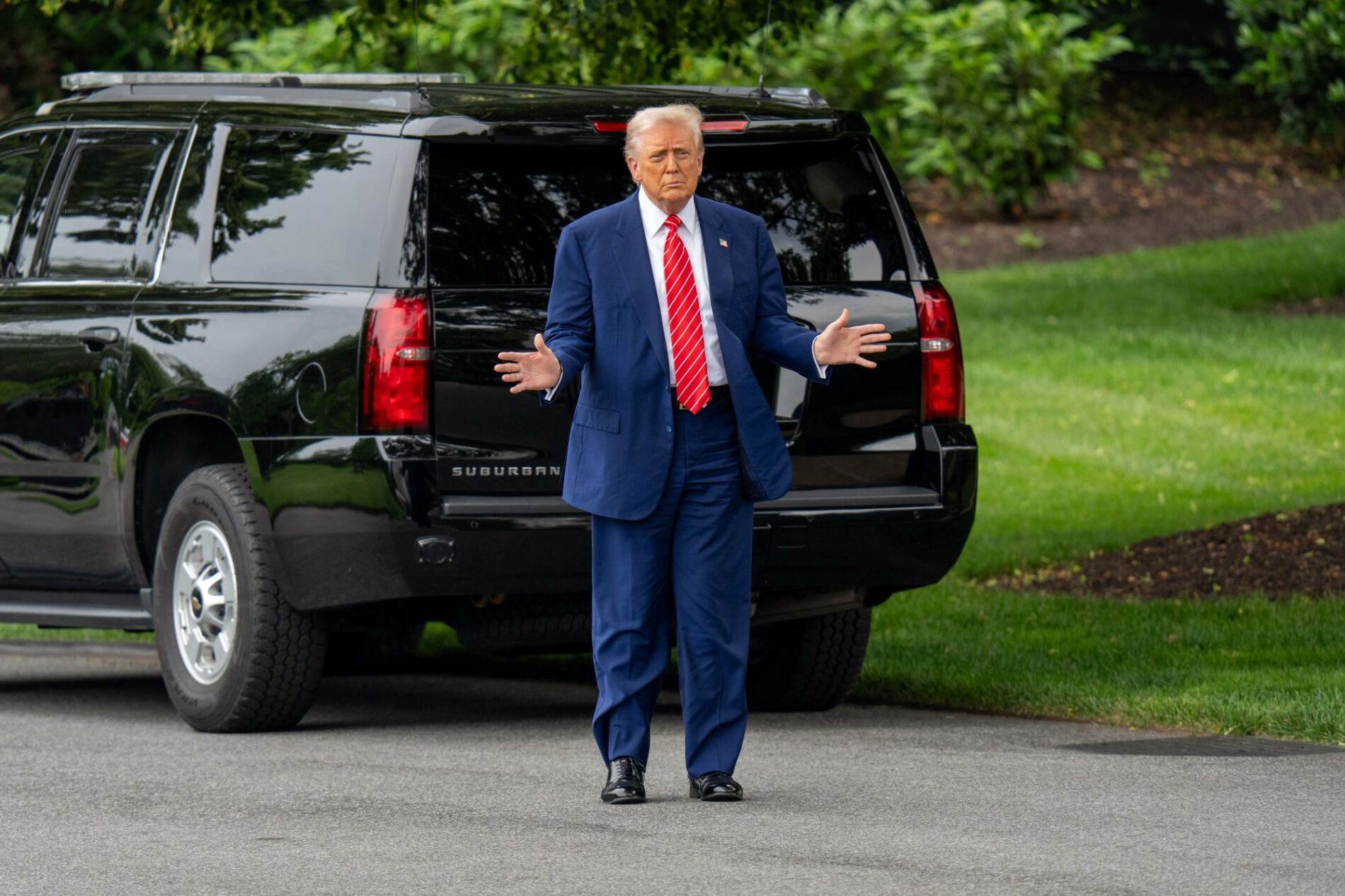
Furthermore, the US auto market is undergoing a noticeable transformation. Manufacturers can offer vehicles with higher fuel consumption without fear of sanctions. This makes combustion engines, whether classic gasoline engines or modern variants, more attractive. This development strengthens the American vehicle market overall because supply and demand are converging, while environmental standards are becoming more flexible.
The auto industry welcomes this relaxation of regulations because global producers benefit equally. European and Asian brands gain the same access as US corporations, as long as they comply with the new emissions standards. This shifts the competitive landscape, as emissions regulations lose their previous steering effect. Emissions rules also appear less like a brake on innovation and more like an adaptable instrument.
Another aspect concerns the long-term direction of the US auto market. With the reassessment of emissions standards, incentive programs for electric vehicles are coming under pressure, while combustion engines are maintaining their market position. This creates a coexistence of different technologies for the automotive industry, promising stability for investors. At the same time, previous environmental standards are losing political support, which is impacting international supply chains.
Finally, the decision demonstrates that emissions standards are no longer considered immutable guidelines. Emissions regulations are increasingly aligned with economic interests, and the American vehicle market is developing more pragmatically. This trend opens up new opportunities for the auto industry, while manufacturers worldwide are preparing for less stringent emissions regulations.