
A Trump confidant is emerging as a new power player in German energy logistics: Kelcy Warren, an owner associated with the Sunoco group, has reportedly gained influence over key parts of Germany’s energy infrastructure, according to a report in Der Spiegel. At the heart of this are tank farms and pipelines—facilities that not only ensure security of supply but also control it in times of crisis. This creates an additional security risk because control over critical nodes coincides with political ties and strategic interests. (spiegel: 22.01.26)
Trump confidant and the quiet, conditional approval
The report paints a picture of a takeover with far-reaching consequences, but little transparency. Sunoco is said to have acquired the tank storage operator TanQuid, and since January 16, significant control has been in US hands. The German Federal Ministry for Economic Affairs and Energy granted a “conditional approval” on January 9, but the details remain vague.
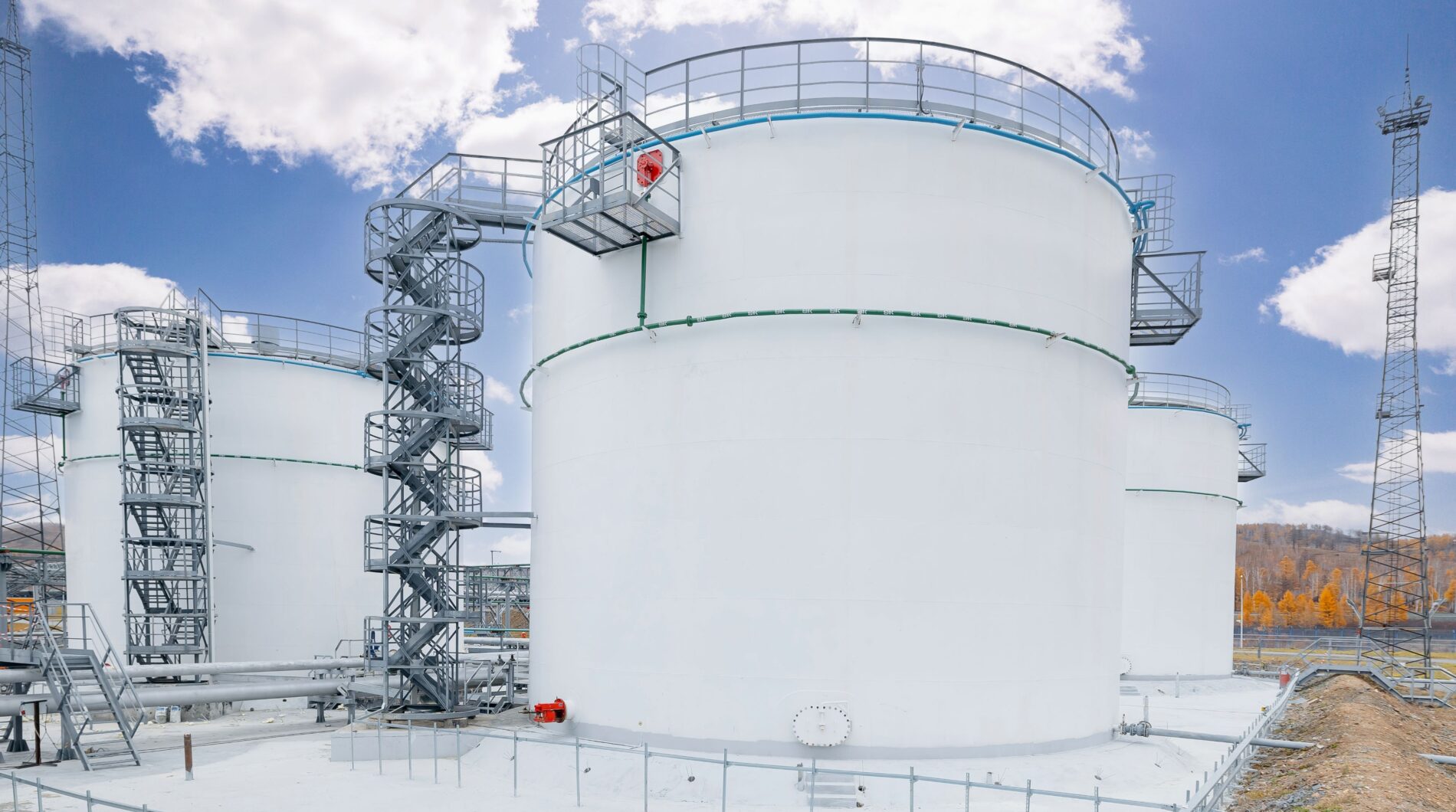
This creates an information gap that is problematic for critical infrastructure. TanQuid is intended to consolidate around one-fifth of Germany’s tank storage capacity, meaning storage space that supports pricing and delivery reliability. According to the report, the package also includes more than 1,000 kilometers of pipelines connecting strategic routes and providing alternative routes in case of disruptions.
The political criticism therefore focuses not on the change of ownership itself, but on the power gained over bottlenecks. The Green Party warned of a “sell-off of critical infrastructure” and is targeting structural dependencies. Greenpeace is sharply criticizing the deal because a fossil fuel company is gaining access to German energy infrastructure, while its parent company, Energy Transfer, is suing environmental organizations in the US, threatening their very existence.
Tank storage facilities and pipelines as infrastructural dominoes
In energy economics, tank storage facilities are more than just storage. They are buffers, market instruments, and crisis reserves all at once because they decouple transport and refinery flows. Therefore, a change of ownership not only alters balance sheet items but also the bargaining power within the physical supply chain.
The situation is similar with pipelines, as pipelines, as a synonym for pipelines, are generally monopolistic infrastructure. Whoever controls the routes controls throughput, maintenance windows, and prioritized deliveries. This may seem subtle, but in a crisis, it determines the speed and direction of supply.
Added to this is the military aspect, which transforms infrastructure into a tool for security policy. According to the report, the acquisition also includes 49 percent of the long-distance pipeline operating company that supplies kerosene to German military airfields. This directly transforms civilian energy networks, as a synonym for energy infrastructure, into vehicles for military operational capability.
Security Risk Along the Military Logistics Route to Büchel
The reference to Büchel is particularly sensitive because American nuclear weapons are stored there. Jacopo Maria Pepe of the German Institute for International and Security Affairs (SWP) assesses the situation with unusual clarity. “This military infrastructure is extremely important for the operational capability of the air forces—the fact that it is now 49 percent owned by a US company is highly politically explosive,” he told Der Spiegel.
This shifts the focus from the question of ownership to the question of control. It’s about access to operational data, prioritization in the event of a disruption, and the robustness of emergency plans. This is precisely where the security risk materializes, because dependencies only reveal their true severity in exceptional circumstances.
The investor’s political ties also act as a risk amplifier, not just a side note. A Trump confidant as a key beneficiary changes the assessment because geopolitical tensions reduce the predictability of decisions. The danger increases when infrastructure becomes a vehicle for political signals.
Trump confidant, MAGA funding, and the price of proximity
According to reports, Kelcy Warren is behind Sunoco and is considered a major supporter of Donald Trump. He is estimated to have donated between $12.5 and $25 million to initiatives close to MAGA. Forbes lists Warren as one of the richest people in the world, which further enhances his capacity for political influence.
The past provides context that should not be ignored in Germany. During his first term, Trump reciprocated with an executive order that paved the way for Warren’s controversial Dakota Access pipeline project. This pattern of political proximity and infrastructural advantage makes the process in Germany more than just a deal.
Therefore, Germany needs more precise safeguards for energy infrastructure, going beyond mere formal requirements. Verifiable criteria are crucial: access rights, veto rights, data sovereignty, and crisis management. Fuel depots must also be treated as systemically important because they ensure operational capability during shortages.
The pipelines also remain a critical point because they are difficult to replace and, in the event of a disruption, can quickly have systemic consequences. The more concentrated the control, the greater the operational leverage in the supply chain. This is precisely why the fact that a Trump confidant is the owner remains politically and strategically sensitive and intensifies the debate about national sovereignty.