
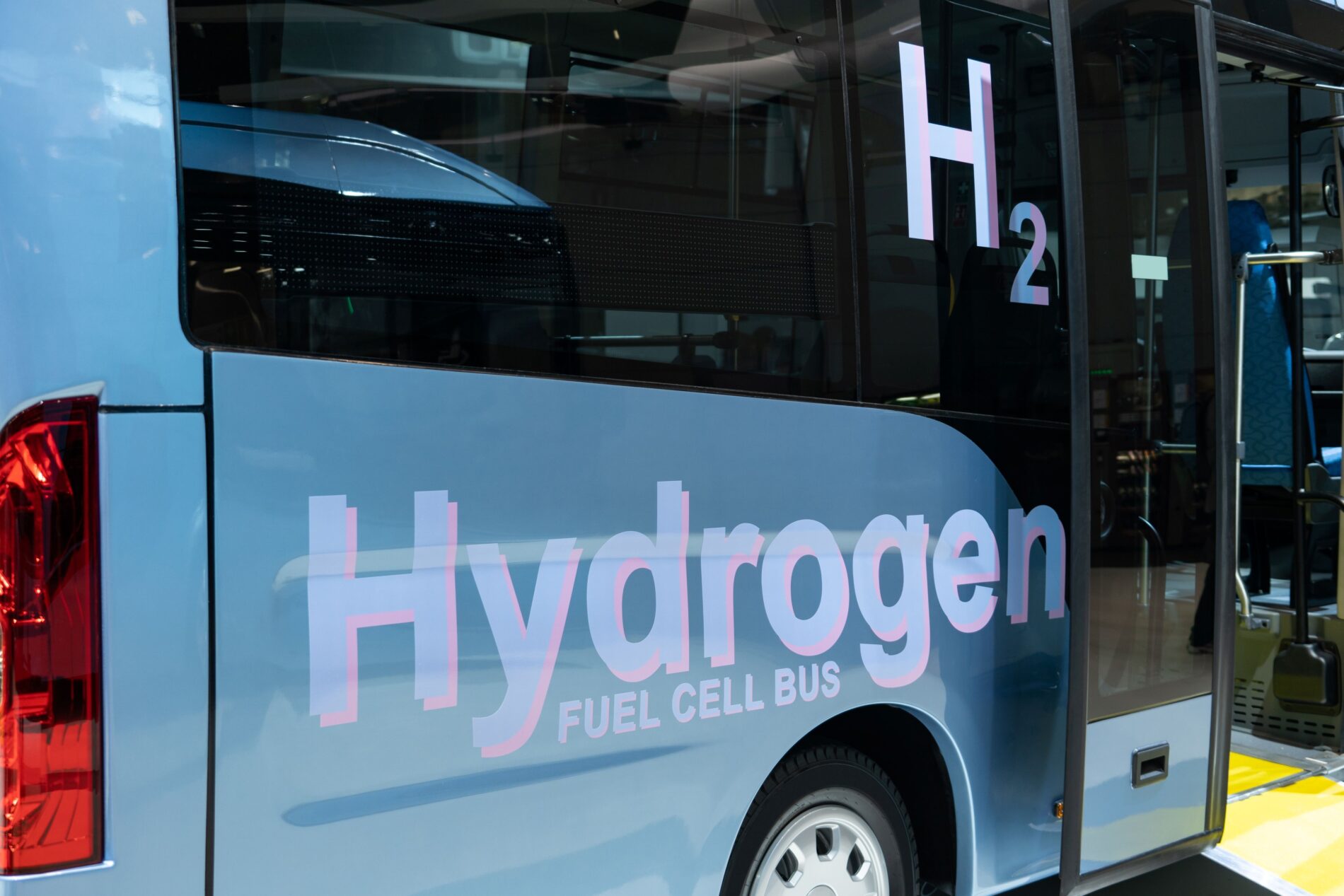
The transport transition in Brandenburg is increasingly becoming a strain. In Cottbus, 46 new hydrogen buses are sitting unused in the depot, even though each vehicle cost around €650,000. The fuel is lacking. At times, the buses had to be transported on diesel low-loaders to distant filling stations. Simultaneously, the delivery of ordered electric buses in Potsdam is delayed. Public transport in Brandenburg will thus remain dependent on diesel for longer than political promises had suggested.
Stagnation Despite Millions in Funding
The hydrogen buses in Cottbus are considered technically ready for operation. Their acquisition was supported with substantial government subsidies. But without hydrogen, they remain mere static objects. There is no dedicated hydrogen refueling station. Construction is underway, but completion is not planned until the first half of 2026.
Even this timeframe is insufficient. The necessary on-site hydrogen production is being further delayed. For the transportation revolution in Brandenburg, this means that expensively acquired vehicles will be useless for years to come. The investment is losing its impact while operations continue on diesel.
Stopgap solutions undermine climate goals
An electrolyzer for producing hydrogen from renewable electricity is not expected to be delivered until autumn 2026 at the earliest. Until then, a mobile refueling solution was planned. This solution is still not operational. Concrete dates are lacking.
Instead, images have emerged that render the project absurd. To enable individual refueling operations, the hydrogen buses were transported through the region on diesel-powered low-loaders. For public transport in Brandenburg, this approach symbolizes a lack of coordination and inadequate planning. Climate protection thus exists only on paper.
Potsdam waits, thve timeline falls apart
The transition is also stalling in Potsdam. The transport company ordered 23 electric buses from the manufacturer Ebusco. The company ran into financial difficulties. Delivery dates have been postponed. Other cities canceled their orders.
Potsdam stood by its contract. Currently, delivery is slated for the second half of 2026. Whether this date is realistic remains to be seen. This uncertainty represents a further setback for the transportation revolution in Brandenburg. This is hardly what one would call planning certainty.
Electrification pushed back to 2031
The consequences are serious. Potsdam’s public transport company does not rule out the possibility that the complete electrification of its bus fleet will be delayed until 2031. This pushes key climate goals further into the distance. Public transport in Brandenburg is losing valuable years.
While new vehicles are lacking or sitting idle, older diesel buses must continue to be used. The promised modernization remains piecemeal. The gap between aspiration and reality is widening.
Progress only where it’s already standard practice
While Cottbus and Potsdam are reporting progress with new trams, and modern trams are in operation and improving service, this success is quickly put into perspective.
Trams have been running on electricity for over a century. They don’t represent a breakthrough, but rather something taken for granted. For the transport revolution in Brandenburg, they are no proof of successful implementation in bus transport. A bus fleet without fuel is no substitute for a strategy.
A textbook example of failed implementation
The situation in Cottbus and Potsdam shows how quickly ambitious plans can fail. Vehicles are ordered, subsidies are allocated, and timelines are announced. But without infrastructure, it all comes to nothing.
The transport revolution in Brandenburg is currently failing not due to a lack of money, but due to a lack of implementation power. As long as projects are launched without a sound foundation, the transformation of public transport remains a costly experiment. Public transport in Brandenburg is paying the price with stagnation.