
The German government aims to make hydrogen readily available. In Saarland, however, this plan has suffered a significant setback, as the three planned hydrogen production projects in Völklingen, Saarlouis, and Perl will not be implemented. The decisive factors are high electricity prices, a lack of large-scale consumers, and regulations that make investing in electrolyzers in Germany difficult for investors. This exacerbates the situation for the steel industry, as the conversion to green steel through direct reduction with hydrogen requires predictable production volumes. (saarbruecker-zeitung: 15.01.26)
Saarland and the 2030 Target: Why Hydrogen Production Is Stalling
This standstill is not an isolated regional event. Across Germany, numerous hydrogen production projects have been halted in recent months. “The targets for ramping up hydrogen production by 2030 will be spectacularly missed,” said Felix Matthes, Chairman of the National Hydrogen Council. Ten gigawatts were planned by 2030, but the expansion is lagging behind. The timeline is being derailed because, without cheap electricity and firm purchase agreements, investments are not forthcoming.
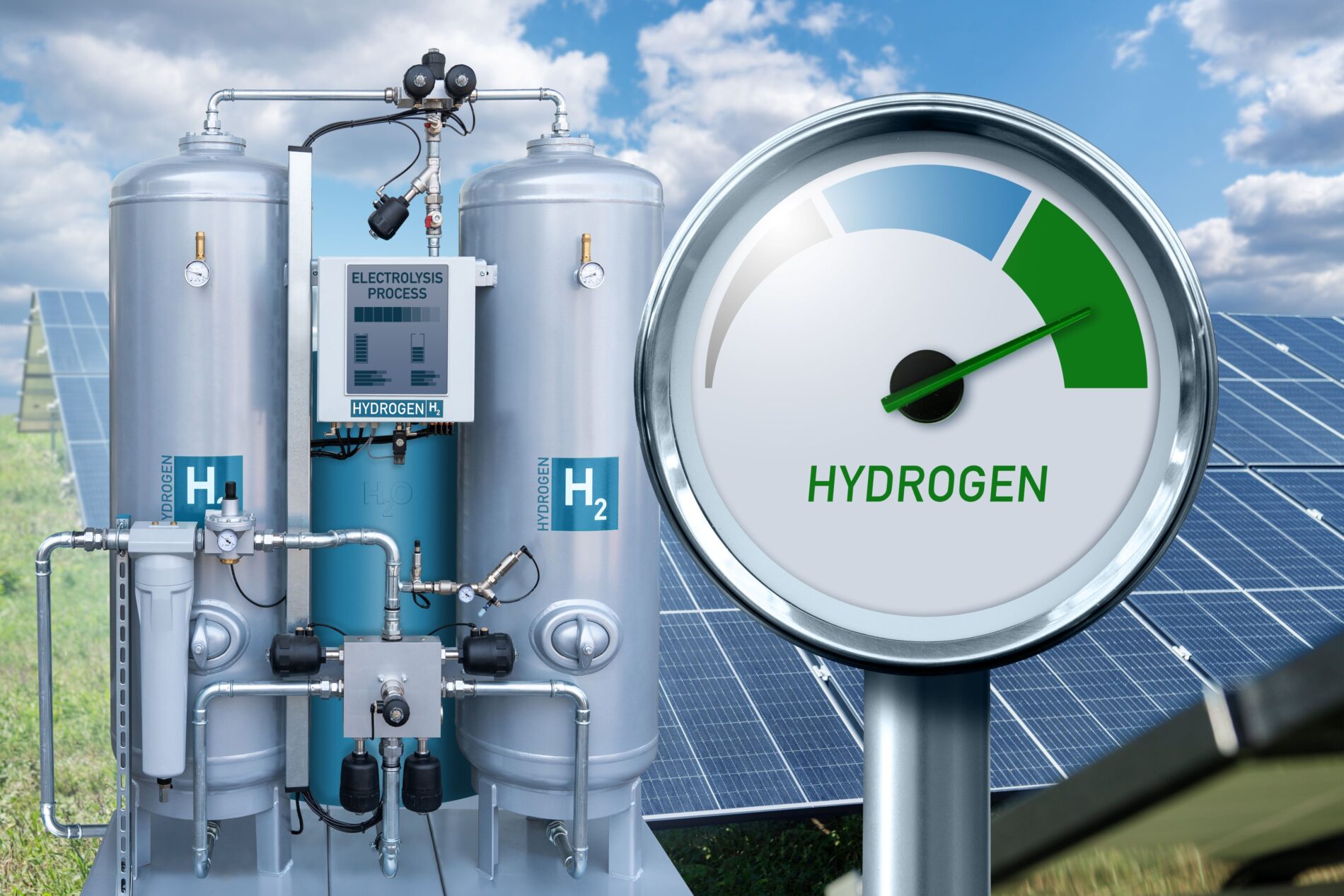
The main reasons lie in the cost structure. Electricity prices drive up costs because electrolysis requires a lot of electrical energy. Added to this are complex requirements for certificates of origin and funding mechanisms, which make building new plants riskier. Furthermore, there is a lack of large customers with long-term contracts because hydrogen is still far too expensive compared to established energy carriers. This creates a market artificially generated by policymakers, but one that is not economically viable.
Steel industry in focus: Jobs depend on price
In Saarland, the risk is concentrated on the steel industry. Around 14,000 people work in the sector. The plants will require large quantities of green hydrogen in the future to replace CO₂-intensive production. Without secure supply volumes, investments are difficult to calculate reliably. Modernizations then become piecemeal, while international competitors scale up more quickly.
The scale is also clearly quantifiable. The steel industry in the state anticipates a long-term demand of around 120,000 tons of green hydrogen per year. This requires industrial hydrogen production capacity, not just demonstration plants. Such volumes will only materialize once electrolyzers are mass-produced and offtake agreements secure financing. The steel sector thus becomes the benchmark for the entire strategy.
Electricity Prices and Infrastructure: Which Levers Count Now?
A change of course begins with electricity prices. Taxes, grid fees, and a reliable industrial electricity concept determine the energy costs of electrolysis. If the kilowatt-hour remains expensive, hydrogen will also remain a high-priced product for the foreseeable future. Planning certainty is equally important, because companies will only place long-term orders if regulations remain stable and funding instruments are transparent and effective.
Furthermore, the infrastructure determines the pace. Electrolyzers require grid connections, land, and permits that must not be bogged down in years of bureaucratic processes. Standardized processes could shorten project durations without weakening oversight. Funding programs should also reward scaling up, enabling pilot projects to quickly transition into industrial-scale production.
Saarland after the setback
The failure of the three projects strikes at the heart of Saarland’s industrial transformation. Without affordable hydrogen, the steel industry’s room for maneuver shrinks, and investments migrate to locations with more favorable conditions. Suppliers, skilled trades, and logistics also depend on this. The economic damage is gradual, but it is becoming entrenched.
A turnaround is contingent on clear prerequisites. Without falling electricity prices, reliable power purchase agreements, and faster permitting processes, hydrogen production projects will remain economically unviable. The disadvantage is particularly evident when compared to neighboring France, where energy-intensive companies often receive more favorable, long-term electricity rates and can therefore calculate hydrogen production via electrolyzers at significantly lower costs. The Saarland region will then lose time while other locations restructure their industrial supply chains. For the steel industry, it’s not about image, but about costs and reliable delivery volumes.