
The United States is launching an unprecedented investment offensive in the energy sector. Plans include the construction of ten large-scale nuclear reactors to meet the rising electricity demand from data centers, AI applications, and industrial projects. Officially, funding is to be provided in part by a multi-billion-dollar pledge from Japan – but given Tokyo’s chronic budget problems, experts expect the project to be financed by the US federal budget. This construction project represents the largest government-backed entry into nuclear energy in decades and will have profound consequences for the energy supply, fuel policy, and industrial network of the United States. (bloomberg: 19.11.25)
New power plants in response to growing power shortages
At a conference of the Tennessee Advanced Energy Business Council, Carl Coe, Chief of Staff of the Department of Energy, spoke of a “national emergency” requiring government intervention. Sites for the new reactors are still under selection, but preparations are underway. Unlike in the past, the government intends to centrally manage planning, financing, and implementation this time—also to avoid costly failures like the overpriced Vogtle project.
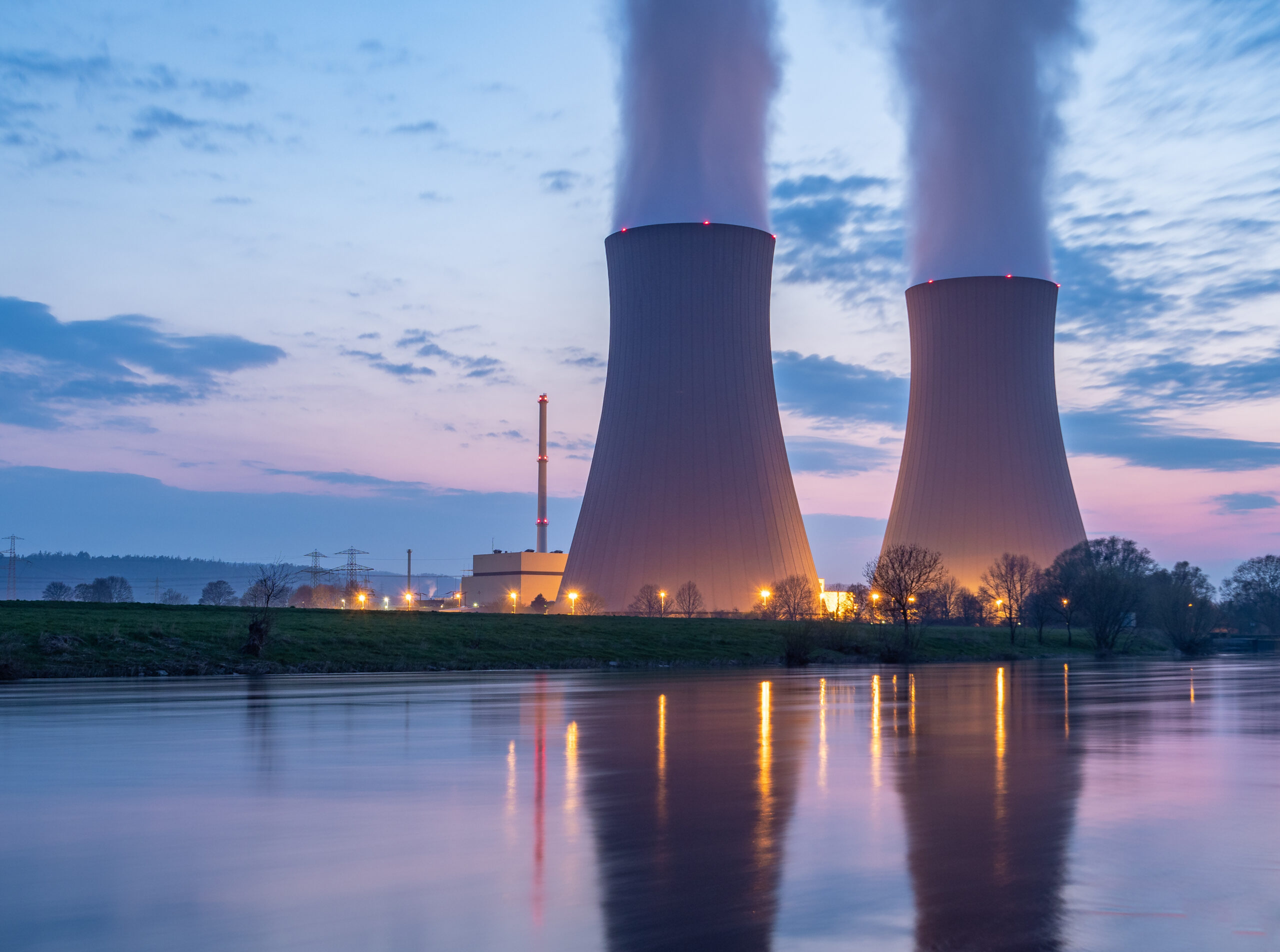
The new plants are intended to help bridge power shortages and ensure a sustainable energy supply. As coal-fired power plants are being decommissioned and gas-fired power plants are reaching their economic limits, the construction of large new reactors appears to be the only viable option.
Uncertain commitments from Japan – financing from the USA
Whether Japan can actually provide the pledged $332 billion for energy projects in the USA remains unclear. Analysts doubt its feasibility given Tokyo’s weak budget situation. Realistically, the majority of the financing will come from the US Treasury Department. The political benefit of a supposedly international project is nonetheless obvious – the symbolism is intentional, even if the money likely originates in Washington.
Modern reactor technology for the new era
The central technical element of the project is the Westinghouse AP1000 pressurized water reactor. This model, already in use in other countries, is considered promising for a large-scale return to reactor technology. The project is supported by companies such as Cameco and Brookfield Asset Management. Competition from GE-Hitachi is limited to smaller designs, as the large boiling water reactor model is no longer being actively pursued. The focus on reliable nuclear technology aims to ensure efficiency, safety, and scalability.
Industrial partnerships secure implementation capacity
Companies such as BWX Technologies and Flowserve are intensively preparing for their role in this major project. Flowserve, for example, anticipates billions of dollars in orders for valve and pump systems. BWX Technologies, a long-standing partner of the state in the nuclear sector, could play a central role in the production of crucial components. The resulting supplier network not only strengthens national value creation but also reduces geopolitical dependencies for critical components.
Uranium Mining as a Security Policy Element
Such an expansion of reactor capacity also requires stable uranium production. Companies like Centrus Energy are advancing their LEU and HALEU enrichment capacities. In parallel, Silex Systems operates a laser-based enrichment plant in North Carolina and plans to begin mass production. Since only uranium from American fuel production may be used for military reactors and nuclear propulsion, domestic mining companies also benefit significantly from the planned power plant network.
AI and Digitalization as Drivers of Transformation
The USA is currently experiencing a structural shift in its energy demand. Data centers, industrial parks, and new infrastructure projects require a significantly higher baseload. The planned construction of new reactors serves not only to generate electricity but also as a response to this industrial transformation. Legal frameworks to accelerate energy projects were already established under President Trump. Now, this deregulation is paying off.