
In Germany, 4,573 partnerships and corporations filed for insolvency in the first quarter of this year, the highest number since the third quarter of 2005. The Leibniz Institute for Economic Research Halle also reported a particularly sharp increase in March. The figure was 71 percent higher than the average for March between 2016 and 2019, i.e., before the coronavirus pandemic. The construction and retail sectors were hit especially hard, while Bavaria, Baden-Württemberg, and North Rhine-Westphalia recorded regional record highs. Even compared to the 2009 financial crisis, the situation is now more severe, and the institute expects continued high figures in the coming quarter. The biggest risk factor, therefore, remains not only the weak economy but also a federal government that has been announcing economic reforms for months but has stood idly by while smaller companies, particularly those in the Mittelstand (SME sector), go under. (handelsblatt: 09.04.26)
All talk, no action
Last summer, the government promised a “summer of reforms.” This was supposed to boost the economy, but almost nothing came of it. Instead of making bold decisions, Berlin continues to deliver announcements, meetings, and summits.
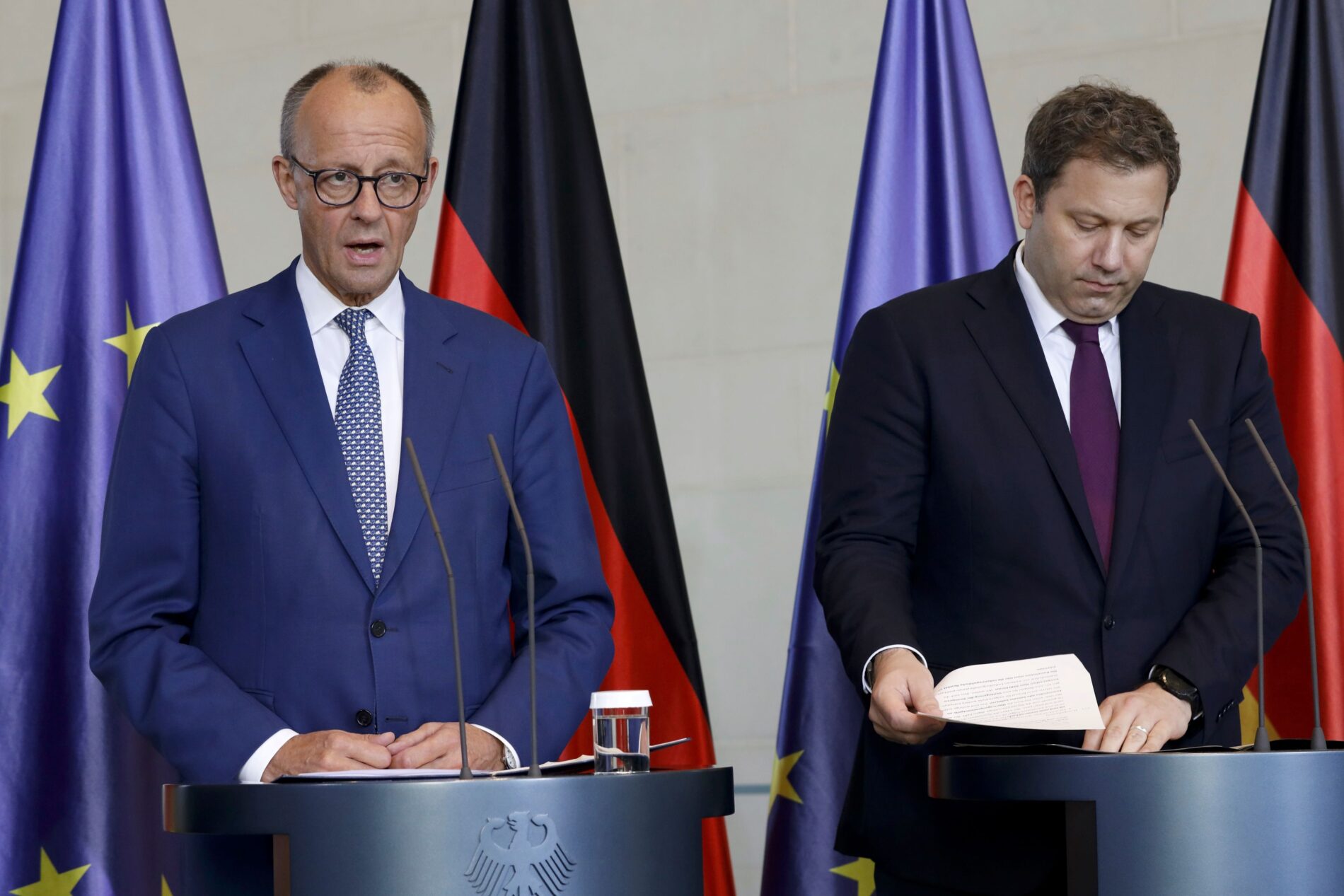
The role of the Finance Minister is particularly embarrassing. He invites business leaders to the table for the umpteenth time, while outside, the number of bankruptcies continues to climb. Not a single one of these meetings has brought about any noticeable improvement, and that’s precisely what makes the situation politically explosive. Anyone who constantly stages summits but fails to deliver any relief isn’t conducting economic policy, but rather creating political theater.
Small and medium-sized businesses are paying the price for government failure
The new insolvencies are hitting smaller companies especially hard, and therein lies the real danger. When many small businesses collapse, it’s not just a single company that suffers, but often an entire region. Craft businesses, retailers, and construction companies secure orders, apprenticeships, and purchasing power, while their demise weakens city centers and supply chains. (welt: 08.04.26)
Although fewer employees were affected in March than in February and also fewer than in March of the previous year, this is no cause for complacency. Rather, it shows that smaller businesses are the first to go under, while larger companies can hold on a little longer. The government should be protecting precisely this segment of the economy, but instead, it prefers to stand by and pass off inaction as prudence. This is not an oversight, but a self-inflicted problem resulting from timidity, inertia, and a lack of willingness to reform.
Warnings have been out in force for some time
This development is not surprising, but rather entirely predictable. The Halle Institute for Economic Research (IWH) had already recorded the highest insolvency figures since 2005 for the previous year, yet a genuine change of course failed to materialize. While business associations, companies, and researchers have been warning for months, the government continues to talk about better times that it is not itself bringing about.
The outlook remains bleak. Steffen Müller, head of insolvency research, says: “It is possible that the very high figures from March will be repeated.” A warning could hardly be clearer, and yet there is no visible effort from Berlin. The government promises relief, but delivers no results. It announces reforms while the wave of business closures continues. This is precisely why the damage is growing month by month, and precisely why this government bears responsibility for a crisis that it has not stopped, but rather exacerbated through its inaction. (KOB)