
Since the end of January 2026, the German government in Berlin has been examining the possibility of providing a guarantee for gas deliveries from Argentina. This was triggered by a preliminary inquiry to the Federal Ministry for Economic Affairs and Energy (BMWi). The inquiry concerns an LNG project in the province of Río Negro. The project utilizes gas from the Vaca Muerta field. Southern Energy is slated to transport it to the coast, where two floating LNG terminals are planned. These are to be located in the Golfo San Matías, approximately 800 kilometers south of Buenos Aires. Argentina is considered economically unstable, which makes defaults more likely and makes government guarantees particularly relevant for banks. The core issue is liability: if the financing fails, the German government can absorb a large portion of the losses, ultimately leaving the German taxpayer to foot the bill. At the same time, the case touches upon climate policy, as the government could thereby once again subsidize fossil fuel projects. (spiegel: 17.02.26)
Guarantees as a Loan Driver for Banks and a Liability Trap
The Federal Ministry for Economic Affairs and Energy (BMWi) is reviewing guarantees for untied financial loans (UFK), but is not disclosing the applicant. UFK guarantees are intended to secure projects deemed to be in the “special public interest,” thus facilitating lending by banks. In the event of political or economic defaults, the state covers the majority of the losses, and the risk is shifted from the market to the budget. The ministry confirmed the review upon request, while stating that it does not release details of preliminary inquiries.
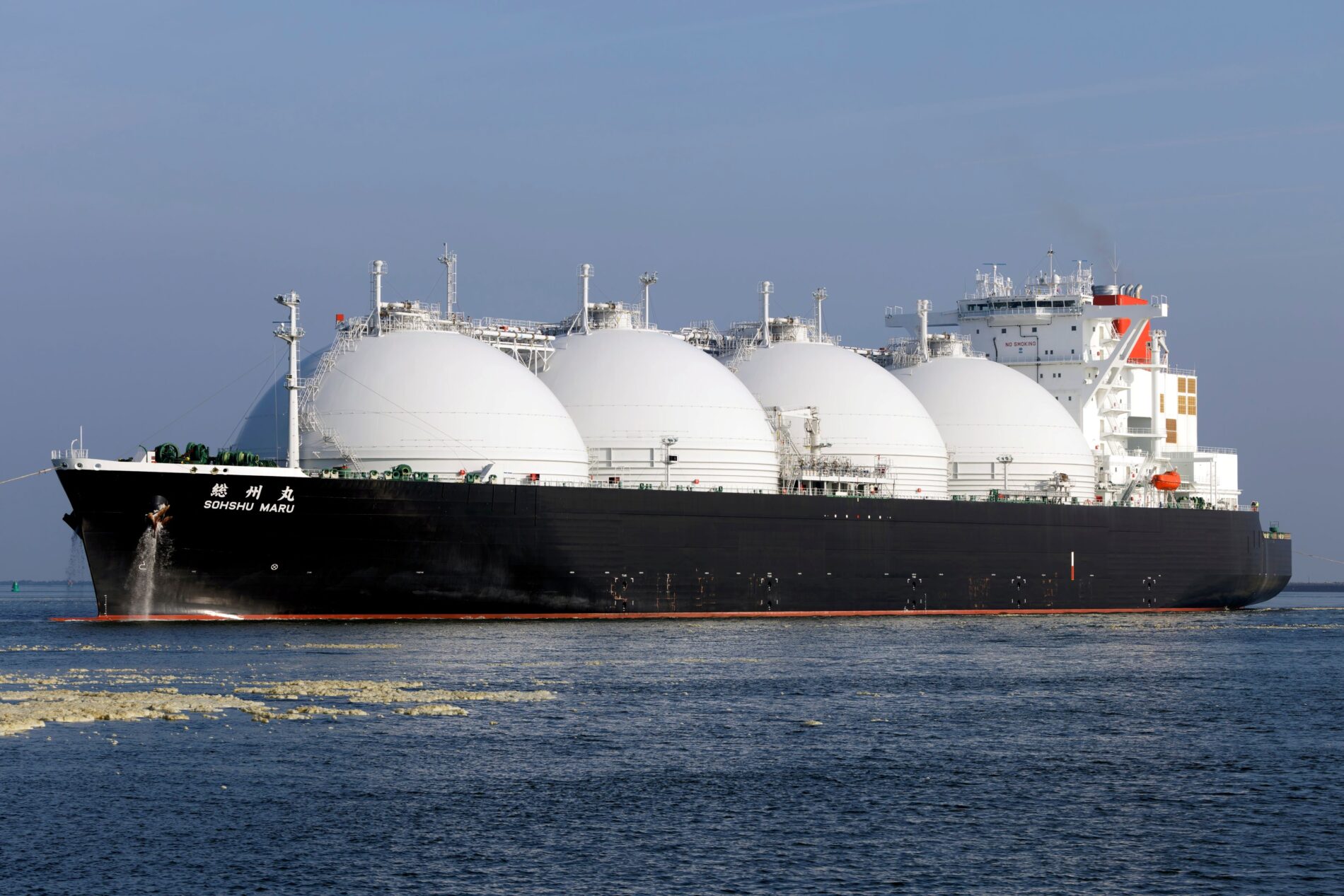
A connection to the gas partnership between Sefe (Securing Energy for Europe) and Southern Energy seems likely, yet remains unconfirmed. In early December 2025, both companies announced a supply agreement, and Sefe plans to source up to two million tons of LNG per year from South America starting at the end of 2027. This corresponds to almost a third of the LNG volumes currently arriving on German shores, while Germany aims to diversify its supply chains. Sefe told SPIEGEL: “No application for state guarantees for the LNG project with Southern Energy,” however, the lender can also submit such an application.
Climate impact assessment under Reiche – guidelines to be “made more flexible”
The securing of fossil fuel projects remains politically contentious, as the German Federal Ministry for Economic Affairs and Energy (BMWi) introduced a climate impact assessment for such guarantees in 2023 under Robert Habeck. The requirements were intended to be aligned with the “1.5-degree pathway” and to prioritize projects compatible with the Paris Agreement. According to the Federal Ministry for Economic Affairs and Energy (BMWi), since the introduction of this review process, no guarantees have been issued for natural gas transactions, whereas the traffic light system previously secured LNG deliveries, for example, in connection with a Trafigura deal benefiting Sefe. This is precisely why the current preliminary inquiry is gaining importance, as it can expose this new practice.
The coalition agreement stipulates that the climate guidelines will be “made more flexible” under Economics Minister Katherina Reiche, and the ministry also states that a revision is already underway. Environmentalists and the opposition expect a less stringent assessment of climate impact, while the government has yet to publish a clear policy. Charlotte Neuhäuser, a member of parliament from the Left Party, says: “The threatened weakening of the climate protection guidelines for foreign trade promotion by Minister Reiche would be a clear and predictable breach of the constitution.” Her party is demanding an end to the promotion of gas projects abroad, but ultimately, the federal government will decide.
BASF as a warning sign – and the next test case
Critics see state guarantees as a lever that favors new oil and gas infrastructure abroad, and therefore the pressure on Berlin is growing. Moritz Leiner of Urgewald says: “If the German government doesn’t want to completely lose credibility, it mustn’t secure such LNG imports with state guarantees,” and he also points to the poor environmental and climate record of Vaca Muerta. In the Argentinian project, Southern Energy is supposed to transport the gas to the coast, while the floating terminals in the Golfo San Matías complete the export chain. Another guarantee could stabilize the financing, but it would also increase the German budget risk.
The BASF case shows that guarantees quickly trigger real payments, and that’s why many are watching closely. According to reports, BASF received money from federal guarantees for the first time last year. In the fall, €229 million was disbursed. Further payments are said to have followed at the end of the year. The guarantees date back to 2016. They were intended to secure investments in Russian gas fields. Following the outbreak of the war in Ukraine, BASF’s subsidiary Wintershall Dea was effectively expropriated in Russia. No decision has yet been reached in the case of Argentina. Observers nevertheless consider approval likely. Germany and the EU want to diversify their energy imports. Currently, over 90 percent of Germany’s LNG comes from the USA.