
The German Armed Forces arrived in Nuuk, Greenland, on Friday evening, January 16, 2026. Shortly afterward, Trump announced tariffs against participating European countries. On Sunday, January 18, 2026, they unexpectedly and without explanation withdrew. The withdrawal thus occurred after approximately 44 hours. The mission was intended to examine the framework for potential contributions to Arctic security, such as maritime surveillance. It is hardly conceivable that this could have been accomplished in such a short time.
Withdrawal from Nuuk: Exploration in Express Mode
There was no visible line of communication on the ground, and initially, the responsible authorities offered no coherent explanation for the “why.” This is significant because the mission was officially conceived as an exploration, inevitably creating a need for explanation: What was examined, with whom were discussions held, which points were evaluated, and what result justifies the termination after a short weekend? Especially in the Arctic, planning is more important than improvisation; therefore, silence here is not neutral but rather a deliberate signal.
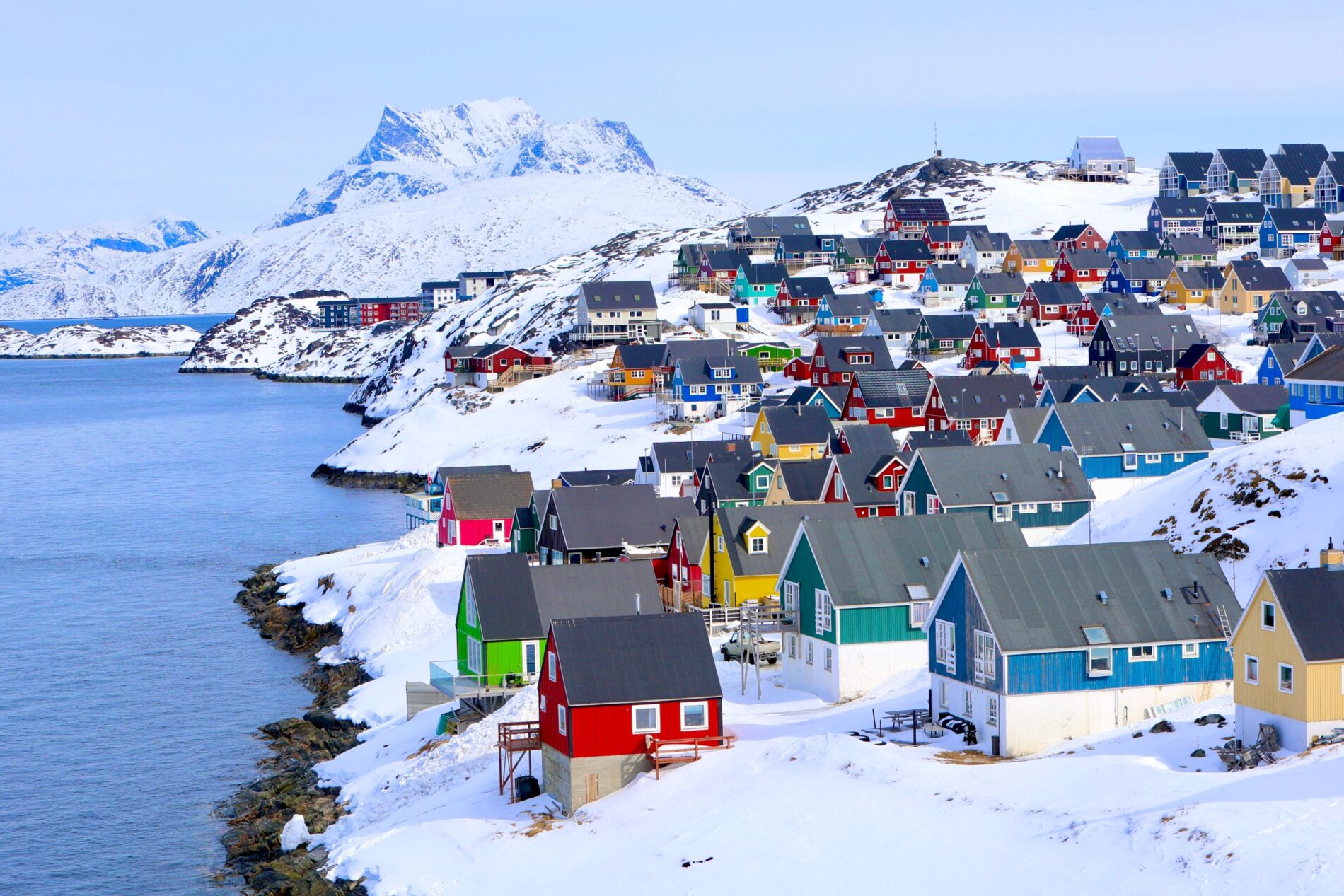
At the same time, the operational sequence is easily traceable. A spokesperson for the Operational Command confirmed the team’s return, and it was reported that they departed via Copenhagen on a civilian flight. This at least confirms the core sequence: a brief presence in Nuuk, then withdrawal. However, it remains unclear whether this brevity is being presented as a “mission accomplished” or whether political considerations dictated the pace. This gap provides a plausible entry point for speculation about Trump’s tariffs.
Greenland is vast, and 44 hours is very short.
Greenland is the world’s largest island, and therefore 44 hours is not a solid “reconnaissance mission,” but rather a brief visit to catch the Northern Lights. Military reconnaissance requires routes, weather windows, and range. The terrain provides plenty of these, but not time.
Furthermore, there is the scale of the mission. It involved a team of 15 soldiers in a multinational setting, meaning it was about factual work, not showmanship. Nevertheless, the pace is striking because the sequence of events looks more like a “brief visit” than a thorough preparation.
Trump, tariffs, and the plausible speculation of being “called back”
According to Reuters, Trump threatened 10 percent import tariffs starting February 1, 2026, later increasing to 25 percent from June 1, if Europe did not back down on the Greenland issue. Germany and Denmark, countries close to the mission, would also be affected.
Whether the German armed forces were “called back” because of these tariffs remains speculation. However, the sequence of events seems like a very clear signal from the US president: arrival, customs announcement, then rapid withdrawal. This is not proof, but it is a pattern that political decision-makers like to call “timing.”
German Armed Forces in Greenland: When News Outpaces Geography
This creates a picture that’s hard to ignore. The armed forces were supposed to be assessing the framework conditions on the Arctic island, but the pace was driven more by the news feed than by the terrain. And when a mission ends after 44 hours, it looks less like strategy and more like damage control.
In the end, a stark reality remains. Greenland was visited. The German Armed Forces left. Trump relied on tariffs as leverage. The withdrawal thus appears less like logistics and more like a reflex action in response to a political blunder that will certainly not be admitted. (KOB)