
Germany is rapidly increasing its installed capacity of wind and solar power. Nevertheless, the actual amount of electricity generated is barely growing. This paradox lies at the heart of Germany’s energy transition. Despite continuous expansion, the real electricity supply remains virtually stagnant. The expansion increases theoretical capacity, but not the available amount of energy. Periods of low wind and solar output, limited battery storage, and physical factors are increasingly distancing political targets from the actual energy supply.
The Paradox of Increasing Rated Capacity Without Increased Yield
The installed capacity of wind and solar power plants is growing year after year. However, the yield data paints a different picture. This paradox can be clearly demonstrated. The amount of electricity produced does not increase proportionally to the newly installed rated capacity. Wind power, in particular, shows clear limitations. Despite additional wind farms, offshore installations are sometimes delivering lower annual yields than in previous years.
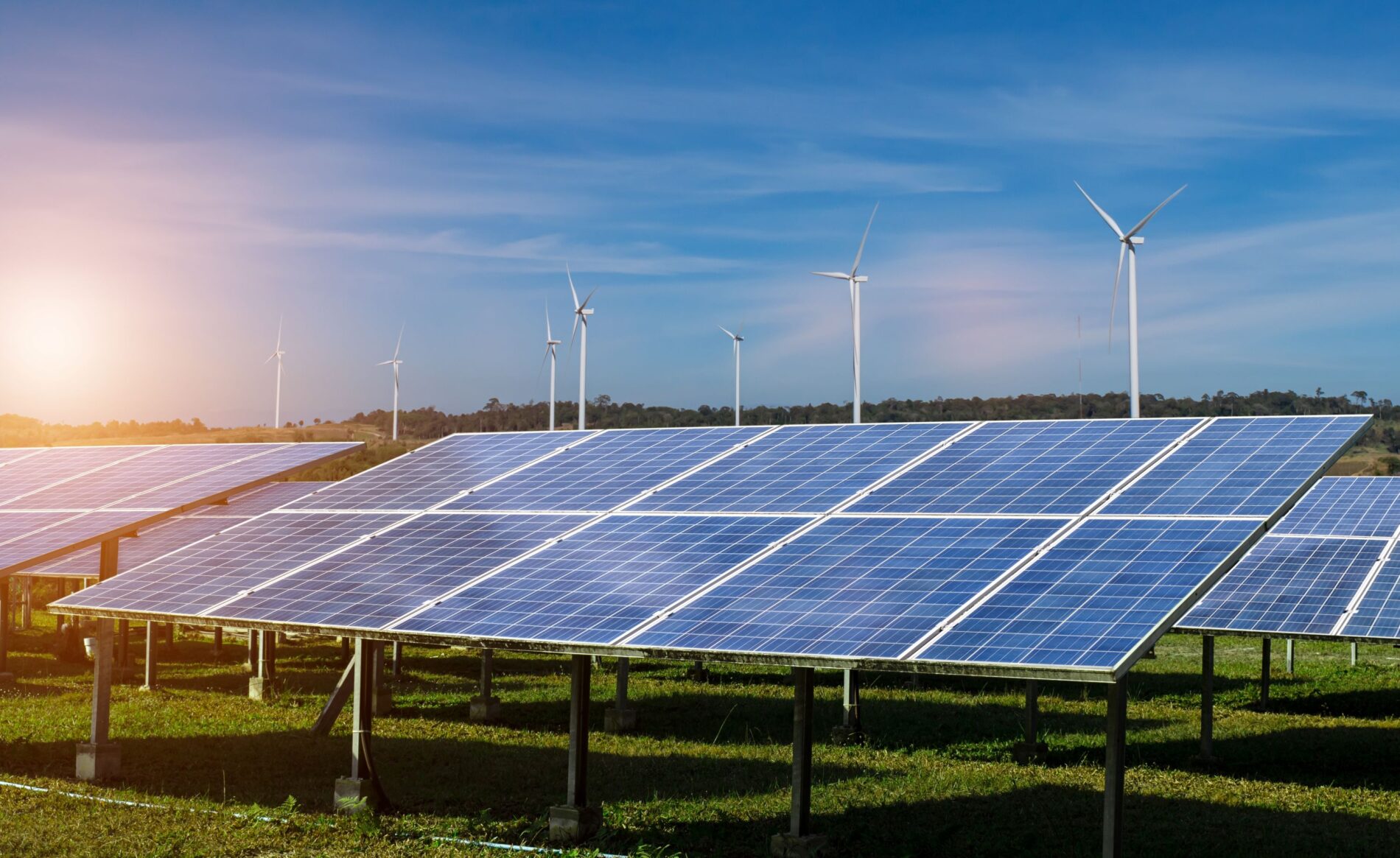
A key reason lies in the so-called cluster-wake effect. Wind turbines draw energy away from each other. The turbines furthest upwind weaken the wind speed for those further downstream. This reduces the usable output of entire wind farms. The energy supply becomes less efficient, even though more and more technology remains installed. This paradox arises from the assumption that wind energy can be scaled indefinitely.
Dark doldrums expose the system’s limitations
Dark doldrums particularly highlight the weaknesses. During many hours, wind and solar power cover less than ten percent of the demand. This generation lull is not uncommon and characterizes normal operation. In winter, wind and sunlight are often absent for several days. In summer, a similar situation occurs almost daily at night.
For the electricity supply, this means a constant dependence on guaranteed power. Annual statistical averages obscure this reality. But the power grid requires balance at all times. Professor Kobe points to hundreds of hours per year with extremely low feed-in. The paradox is exacerbated because increasing expansion figures do not guarantee a stable supply.
Statistics are no substitute for a physical electricity supply.
Public debates often emphasize high shares of renewable energies. Values close to 60 percent suggest progress. But these figures are based on declining consumption. Industrial production is shifting or reducing its output. As a result of this decline, the percentage share of renewable energies increases, even though absolute generation hardly increases.
The electricity supply appears more stable than it actually is. Self-consumption from photovoltaics only partially explains this effect. The decisive factor remains the decline in industrial demand. This makes the energy supply less predictable. The paradox of the energy transition is exacerbated by accounting-based considerations that ignore real availability.
Battery storage does not solve the fundamental problem
The expansion of battery storage is progressing rapidly. Battery storage systems compensate for short-term fluctuations. They buffer solar peaks at midday. However, they do not provide sufficient support during periods of low wind and solar output lasting several days. Their capacity theoretically covers only a fraction of the daily electricity demand.
Negative electricity prices underscore this imbalance. Oversupply meets low demand. Feed-in incentives promote further growth, even though flexibility is lacking. Here, too, the paradox becomes apparent. More installed capacity does not automatically generate more usable electricity. The electricity supply remains vulnerable to extreme fluctuations.
Physical laws trump political targets
The electricity grid follows immutable rules. Every second demands a balance between generation and consumption. Annual balances ignore this requirement. The paradox of the energy transition arises from the collision of political targets with physical necessity. Periods of low wind and solar output, limited storage capacity, and declining wind energy efficiency exacerbate this conflict.
Without a realistic assessment of these factors, the energy supply remains unstable. The continuous expansion of installed capacity does not replace guaranteed capacity. An honest debate about physical boundaries will determine the future of Germany’s electricity supply. (KOB)