
The European Commission is working on a plan that will fundamentally restructure company cars across Europe, as only purely electric vehicles are to be permitted from 2030 onwards. Gasoline, diesel, and hybrid vehicles will thus lose their eligibility for new registrations in company fleets. This step not only affects businesses but also the leasing market, since a large proportion of company cars appear to be financed through long-term contracts. At the same time, Brussels is significantly tightening CO₂ fleet emission limits and is specifically using company cars as a regulatory tool. Electric cars are therefore moving to the center of an industrial policy strategy, even though the public debate has so far suggested otherwise. (focus: 09.12.25)
Company Cars as a Central Control Instrument
At the heart of the plans are new CO₂ fleet limits, which, according to parliamentary input, are significantly more extensive than previously communicated. The rules cover not only traditional company cars but also company-leased vehicles, provided they remain part of the manufacturer’s fleet. This considerably expands the EU’s influence on company fleets. Markus Ferber, a CSU Member of the European Parliament, pointed out that this scope, “contrary to public perception,” has so far received little attention.
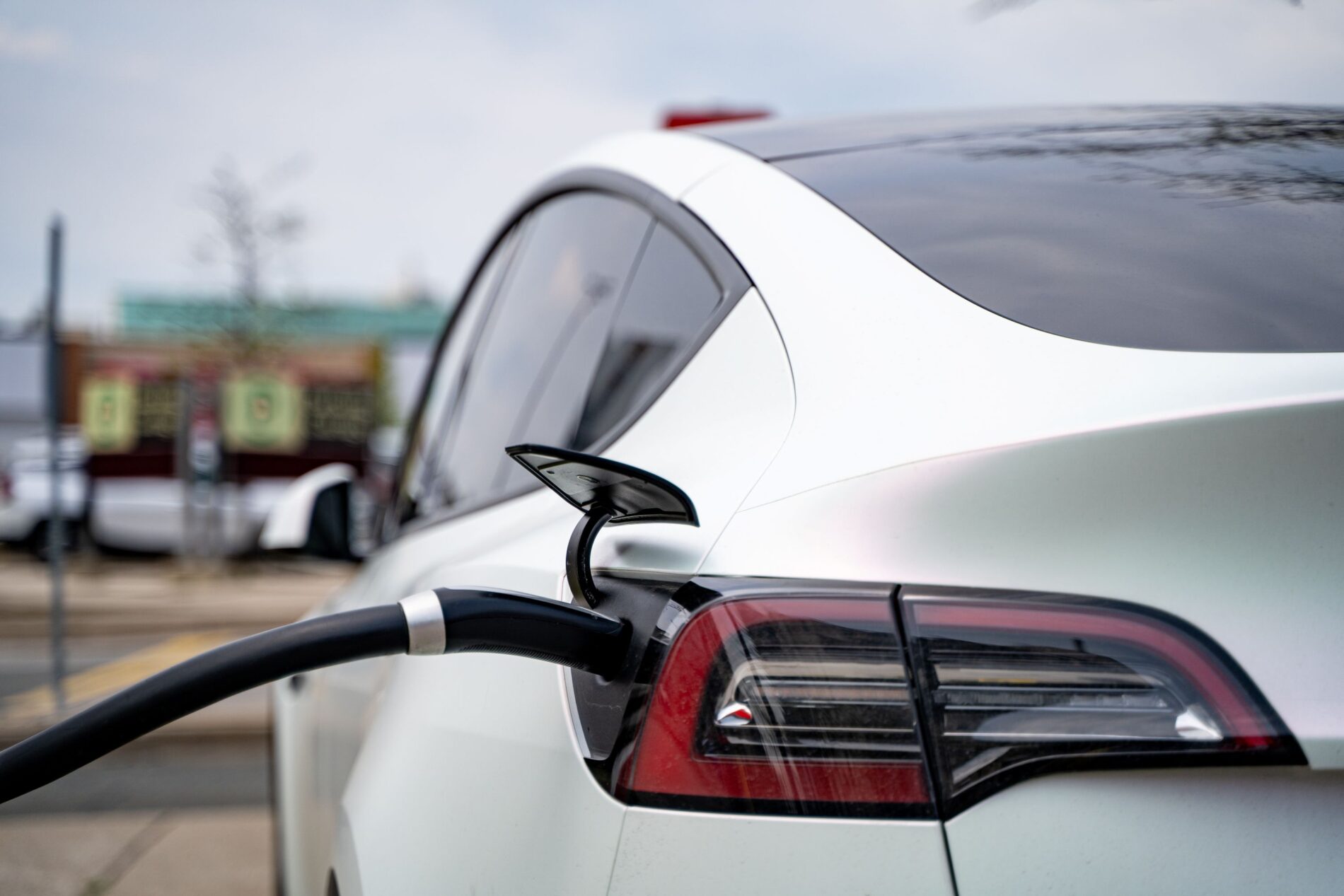
The leasing market appears particularly relevant, as around 60 percent of all new car sales in the EU now take place through this type of business. A large proportion of these contracts are drawn up through manufacturers’ financing banks. This is precisely where the new regulation comes into play, because in the future only electric cars will be permitted to be financed. Hybrids will lose their role entirely, even though they were previously considered a transitional solution.
Company Fleets Under Massive Pressure to Adapt
According to current plans, from January 2030 onwards, all new registrations in company fleets will be exclusively battery-electric vehicles. While private households can still purchase combustion engine vehicles on the open market, this option will no longer be available for company cars. This separation particularly affects employees who also use company cars privately. Their choice will be significantly reduced.
At the same time, company fleets are coming under economic pressure because leasing models have so far offered a stable basis for calculation. As soon as financing banks are only allowed to include electric cars in their portfolios, risk structures will change significantly. The leasing market will lose flexibility, while company fleets will have to react more quickly to technical and political requirements.
Residual Value Risks Weaken the Leasing Market
A key risk concerns the development of residual values, as electric cars are currently depreciating faster than vehicles with combustion engines. If this trend continues, significant problems will arise after the lease agreements expire. Manufacturers and auto finance companies must anticipate vehicle inventories for which there is only limited demand. Such burdens primarily affect the leasing market, which remains dependent on stable returns.
This also presents a structural problem for company cars. Large production volumes meet uncertain sales prospects. At the same time, CO₂ fleet emission limits further intensify the pressure, as alternative drive systems remain excluded. Company fleets are thus losing their previous buffer against market fluctuations.
Political Signals Increase Uncertainty
Outwardly, Brussels signals its willingness to negotiate a phase-out of combustion engines starting in 2035, but internally, the EU is aiming for a much earlier deadline. Company cars are the key lever in this strategy. This dual approach is creating uncertainty for companies, fleet managers, and the leasing market. Planning certainty is suffering, even though it seems crucial for investments in electric vehicles.
Ultimately, it’s not just about climate policy, but about trust. If company fleets and company cars serve as testing grounds for stricter emissions regulations without broad public debate, resistance will grow. A sustainable transformation requires acceptance, not just regulation.