
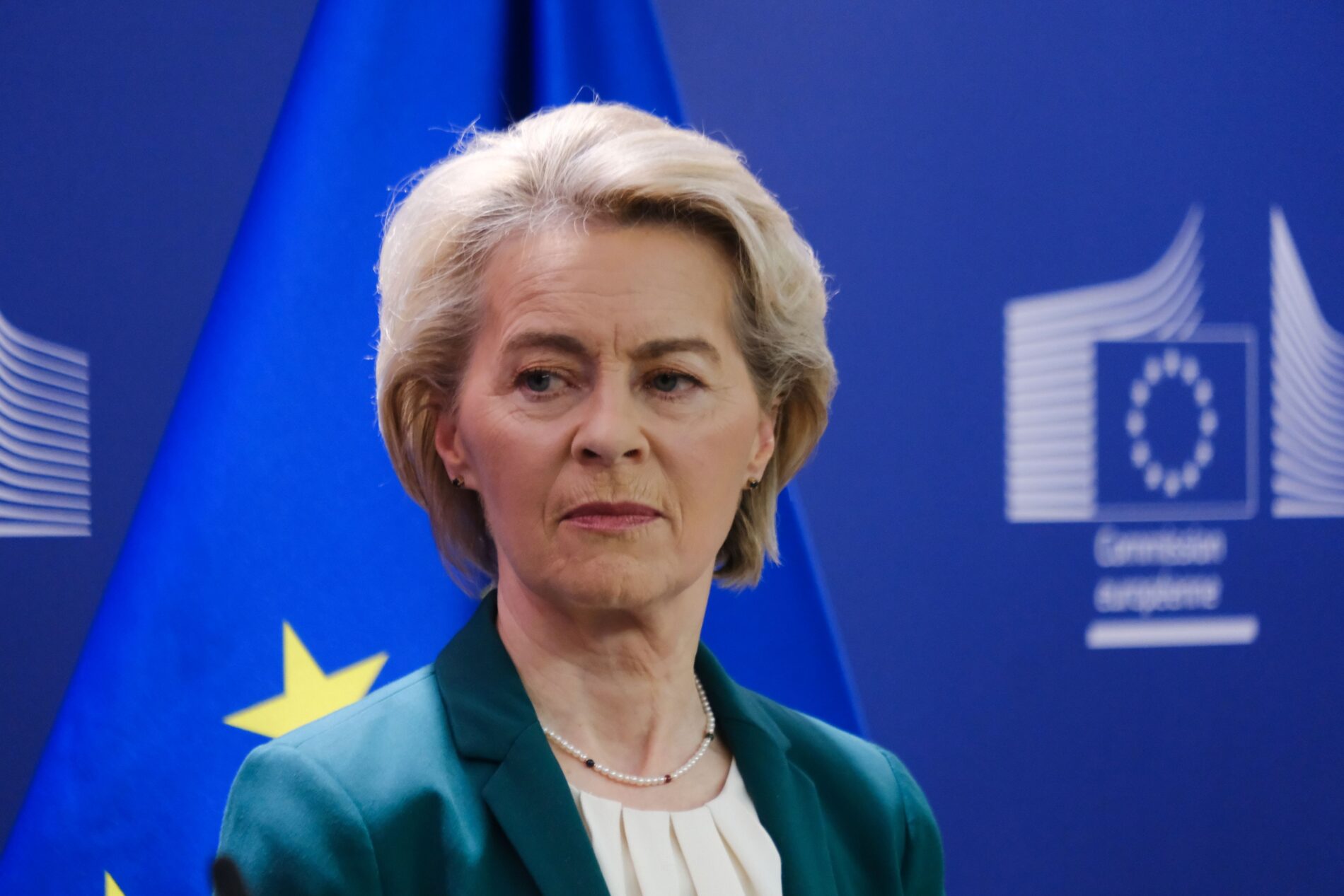
The European Commission plans to establish its own intelligence service and is actively pushing the project forward. The new structure is intended to be part of a comprehensive security strategy and will report directly to Ursula von der Leyen. The impetus for this move comes from a tense geopolitical and geoeconomic environment, increasing activity by foreign intelligence services, and dependence on US information. The aim is to consolidate data, expand its own analytical capabilities, and respond more quickly to threats. At the same time, this threatens a shift in the balance of power within the EU, as existing institutions such as the Intelligence and Situation Centre could lose significance. (handelsblatt: 26.03.26)
New intelligence service to consolidate analyses
The focus is on establishing a new unit for intelligence gathering and analysis. This structure is intended to complement the Commission’s existing analytical capabilities and, at the same time, cooperate more closely with the European External Action Service. This will enable Brussels to react more quickly and develop its own security policy assessments.
International media are also reporting that national intelligence information could be more closely integrated in the future. This point is crucial because a European intelligence service would then have significantly more influence on the strategic assessment of risks. While member states currently operate independently, the EU Commission could assume a coordinating role.
Justification: Growing Threat Situation
EU Commissioner Piotr Serafin, responsible for the budget, has clearly contextualized the project. He stated: “Given the current complex geopolitical and geoeconomic environment, it is important for the Commission to strengthen the European Union’s resilience against security threats.” He also emphasized that the Commission is examining “within its administrative and organizational responsibilities how its internal structures can best be strengthened” in order to “respond more effectively to evolving challenges.”
These statements demonstrate that Brussels is not only planning but is already preparing concrete organizational steps. At the same time, the Commission points to the growing activity of foreign intelligence services and new risks to Europe. Therefore, the EU should be able to act more independently while reducing its dependence on external sources of information.
Power Shift Within the EU Possible
The direct subordination of the new agency to the European Commission is particularly sensitive. This would give Ursula von der Leyen greater influence in the delicate area of security analysis. At the same time, the foreign policy apparatus could lose importance, altering the institutional balance.
The potential weakening of the existing Intelligence and Situation Centre is also a key concern. This agency is currently located within the office of the EU High Representative for Foreign Affairs and Security Policy and is therefore outside the direct control of the Commission President. Should the new agency be more powerful, the power structure in Brussels would shift noticeably.