
Solar subsidies are facing a profound change, as the German government plans to completely abolish fixed feed-in tariffs. The energy policy debate is already increasingly focused on the Renewable Energy Sources Act (EEG) and future market prices, while the expansion of photovoltaics must accept new conditions. At the same time, electricity prices are coming into sharper focus, as government compensation schemes are reaching their limits. This means the subsidy landscape is changing faster than many operators anticipated.
Solar Subsidies Before the System Change
The planned reform concerns the Renewable Energy Sources Act (EEG), whose structure has remained largely unchanged for years. Now, however, the Ministry of Economic Affairs is focusing on more market-oriented mechanisms, even though the previous feed-in tariff offered investment security. This traditional subsidy guaranteed stable revenues, but government costs rose significantly. Therefore, solar subsidies are gradually losing their previous importance.
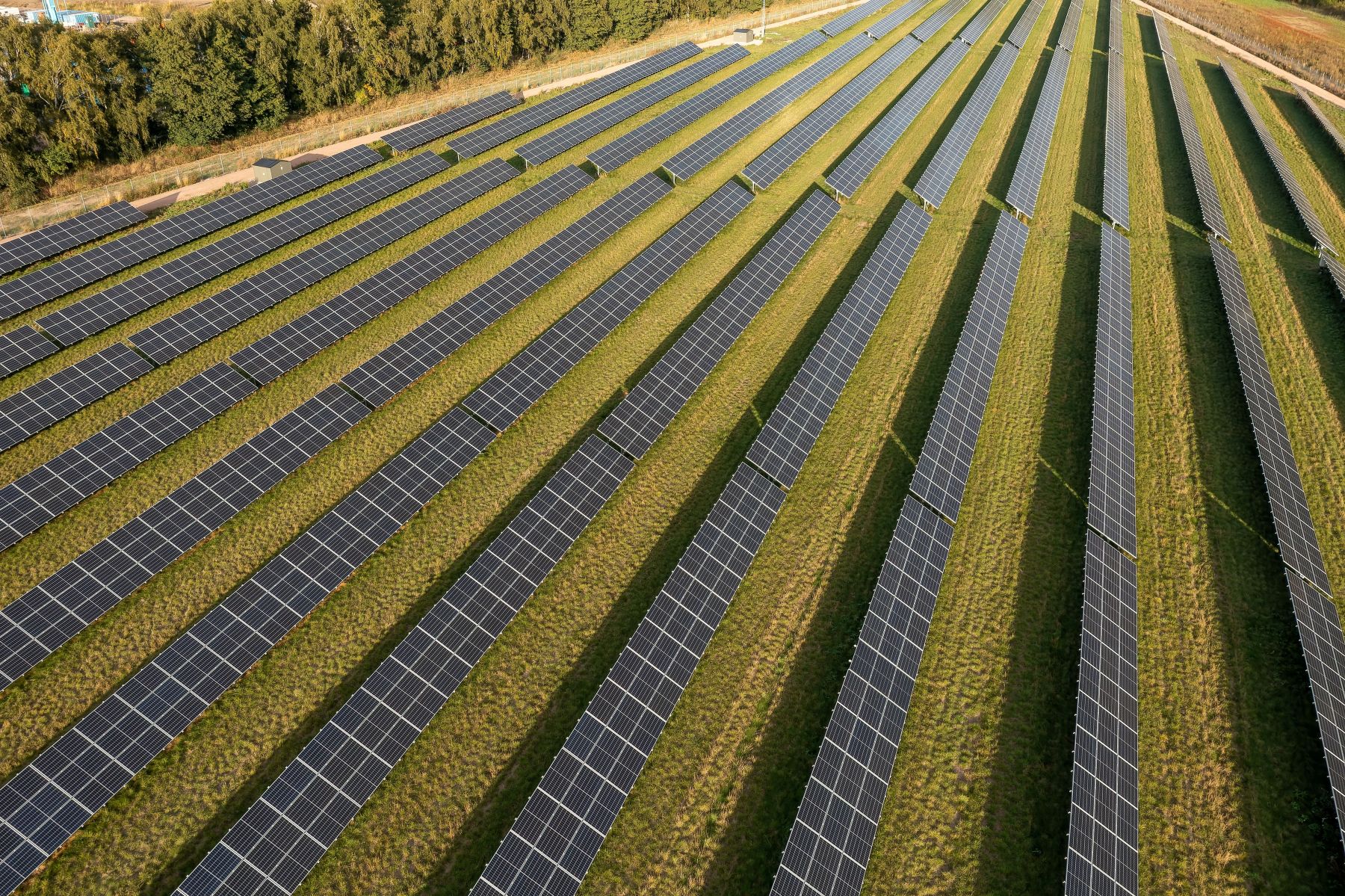
In parallel, the expansion of photovoltaics is changing, as new systems will be expected to respond more strongly to demand. Operators will need to market their solar power more strategically, which strengthens the role of flexible feed-in concepts. This development is leading to a new reality of subsidies, one that relies less on blanket incentives.
Financial Burden Drives Reform Pressure
For years, the EEG surcharge financed the feed-in tariff systems, but since its abolition, the state has borne the burden. In 2024, these payments totaled a double-digit billion-euro sum, massively increasing the pressure for reform. This places the issue of solar subsidies more firmly within the context of fiscal responsibility.
Electricity prices also play a central role. High subsidy expenditures have a long-term impact on the energy market, while consumers expect stable prices. Therefore, a market-oriented approach that more closely links supply and demand is gaining importance. This logic also shapes the new subsidy plans.
Realignment of the EEG Follows European Guidelines
The Federal Ministry for Economic Affairs and Energy is currently developing a model based on contracts for difference. These so-called Contracts for Difference (CfDs) compensate for lost revenue when market prices fall below contractually agreed-upon levels. If they rise above these levels, a portion of the revenue flows back to the government. This principle complies with EU regulations and replaces the flat-rate solar subsidy with a dynamic remuneration system.
This structure also strengthens the importance of price signals. Operators will react more sensitively to market levels in the future, while the expansion of photovoltaics remains more strongly focused on system stability. This allows price extremes to be mitigated without jeopardizing the expansion of renewable energies.
Market Prices Change Investment Strategies
With a stronger focus on market prices, investment decisions are fundamentally changing. Battery storage systems are gaining in attractiveness because they stagger feed-in. At the same time, differential models guarantee minimum revenues if market prices fall.
This results in more stable electricity prices for consumers, as extreme fluctuations remain limited. The Renewable Energy Sources Act (EEG) also retains its regulatory function, albeit with a new focus. The market assumes more responsibility, while the government intervenes more selectively.
Grandfathering Provides a Brief Respite
Existing plants retain their previous commitments, as grandfathering provisions remain in effect. Those who invest before 2027 will benefit one last time from the classic subsidies for solar energy. After that, new rules will take effect, aligning photovoltaic expansion more closely with economic indicators.
This marks the end of an era in which solar subsidies primarily functioned through fixed feed-in tariffs. Future projects must prove themselves through the interplay of market mechanisms, cost control, and system stability.