
In Germany and other major automotive countries in Western Europe, vehicle production has been declining noticeably for years. Manufacturers are increasingly shifting their production to Eastern Europe. Last year, unit sales in Germany, Spain, Italy, and the UK combined were more than a quarter lower than in 2019. In Germany, the decline was 16 percent, while in Italy and the UK it was more than 40 percent in each case. The main causes are high costs, overcapacity in factories, and intensified international competition. At the same time, pressure is mounting due to weak profits, problems in China and the US, and expensive electric vehicles with low profit margins. The main consequences are therefore declining production, threatened plant closures, job losses, and a gradual erosion of industrial infrastructure. (ntv: 16.03.26)
Vehicle production is declining, and pressure on production sites is increasing
The decline often remains a marginal issue in the public discourse, but it is affecting a core sector of German industry. Manufacturers are producing fewer vehicles and simultaneously relocating parts of their production to countries with lower costs. Industry expert Stefan Bratzel commented: “Nobody is talking about it openly, but we are witnessing a gradual shift of production and jobs abroad.” He is describing not just a trend, but a profound structural transformation.
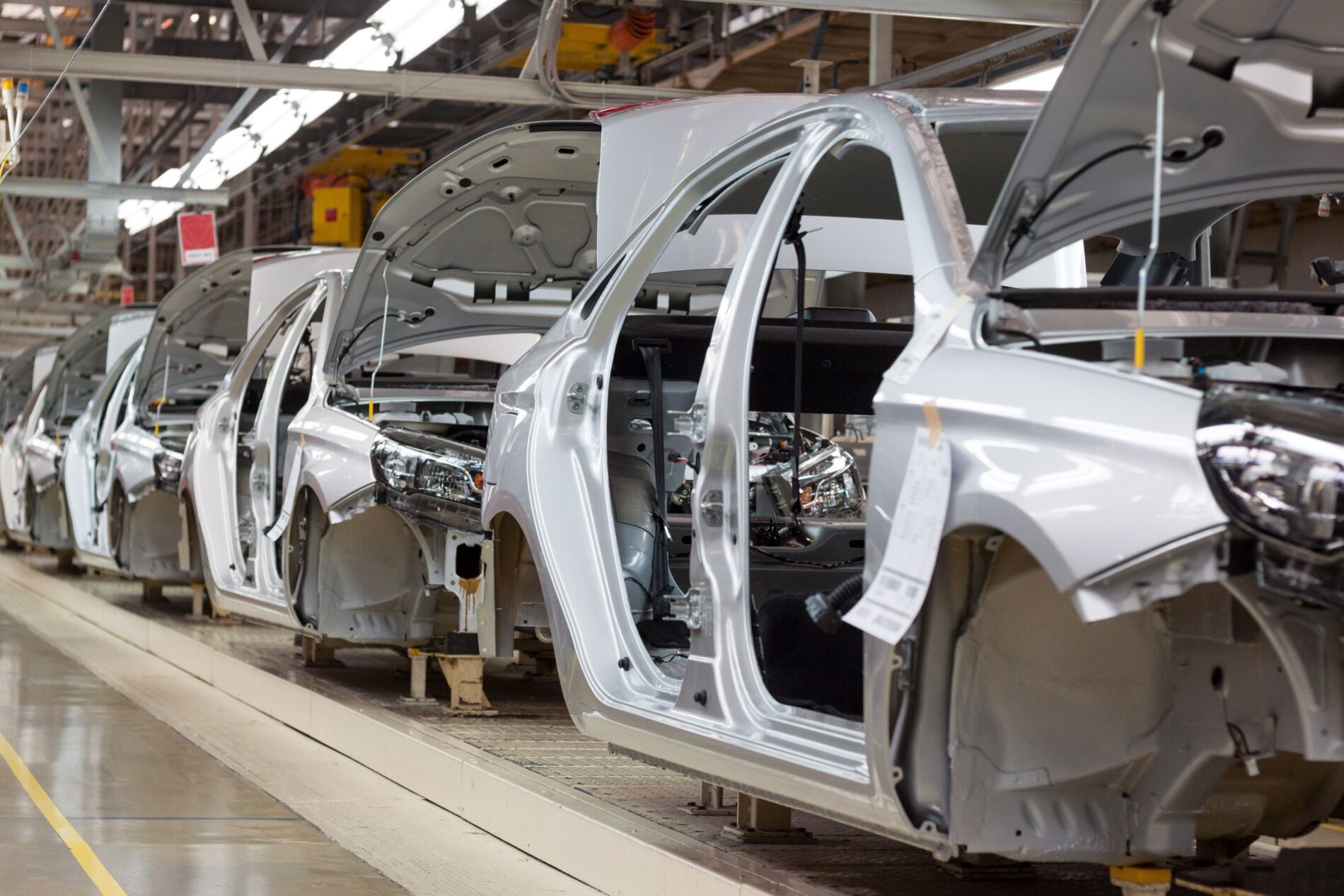
The IG Metall union is also warning of serious consequences. It speaks of a “creeping catastrophe for Germany with regard to prosperity, resilience, social cohesion, and the future.” According to the union, more and more companies are dismantling their industrial base due to short-term cost-cutting measures. If production moves abroad and jobs are lost, the closure of superfluous plants is also a long-term threat. This would further accelerate the decline in vehicle production.
VW struggles with overcapacity and drastic cost-cutting pressure
The crisis is particularly evident at Volkswagen. Reports of radical cost-cutting plans at VW are increasing. According to the “Bild” newspaper, McKinsey considered eight out of ten of the group’s vehicle plants no longer profitable and proposed their closure. Only the main plant in Wolfsburg and Audi in Ingolstadt would remain. While VW management rejected this proposal, it is having further cost-cutting programs developed.
The financial situation is further intensifying the pressure. A high-ranking manager is quoted as saying: “It’s clear to everyone that we have to cut spending because the plants have too much capacity.” The group plans to eliminate 50,000 jobs by 2030, while plant closures and layoffs have been ruled out. At the same time, these new cost-cutting measures are seen as a signal to the Porsche and Piëch families, who are reportedly dissatisfied with the compromise reached at the end of 2024. The situation is serious, as VW’s profits plummeted by almost half last year, and Porsche’s by more than 90 percent.
Politics and industry are searching for a way out of the crisis
According to Bratzel, the biggest challenges lie with Porsche, Audi, and in the key markets of China and the USA. In China, German manufacturers are losing market share to strong domestic competitors, while in the USA, additional tariffs under Donald Trump are taking their toll. The industry has therefore been in a deep crisis for years. While it has caught up in the field of electromobility, many models remain too expensive compared to the competition, and the profit margin is far too small for survival.
Industry representatives are therefore demanding countermeasures on several levels. Schwope calls for better framework conditions for manufacturers and suppliers but rejects government handouts like previous purchase incentives. Bratzel also demands deeper cuts, stating: “As in other countries, for example, the first one or two days of sick leave must be unpaid; this will significantly reduce sick leave on Fridays and Mondays.” He also calls for “a new culture of cooperation” between politics, unions, and industry. His benchmark is clear: “We will never produce cars more cheaply than in other countries.” Therefore, German vehicles would have to be so technologically compelling to justify the higher price. However, he considers a return to the previous level of well over four million vehicles per year unrealistic.