
Tesla’s European sales figures are projected to fall in 2025. The company is now selling fewer vehicles than in 2022. This is relevant for Grünheide because the Gigafactory was already operating below full capacity in 2022. If sales drop below this level, capacity utilization will decline further. This will increase fixed costs per vehicle, as personnel, equipment, and infrastructure will largely continue to operate. As a result, production in Brandenburg will become economically challenging, and the possibility of the factory’s closure is now being considered. (fokus: 11.01.26)
Tesla Plant Caught Between Market Weakness and Internal Conflict
Parallel to weak demand, the conflict at the Tesla plant is intensifying. Plant manager André Thierig warns of consequences ahead of the upcoming works council elections should the IG Metall union gain more influence. This statement refers to the future management of the Tesla site. It also comes at a time when Tesla is likely to link investments more closely to efficiency and stability.
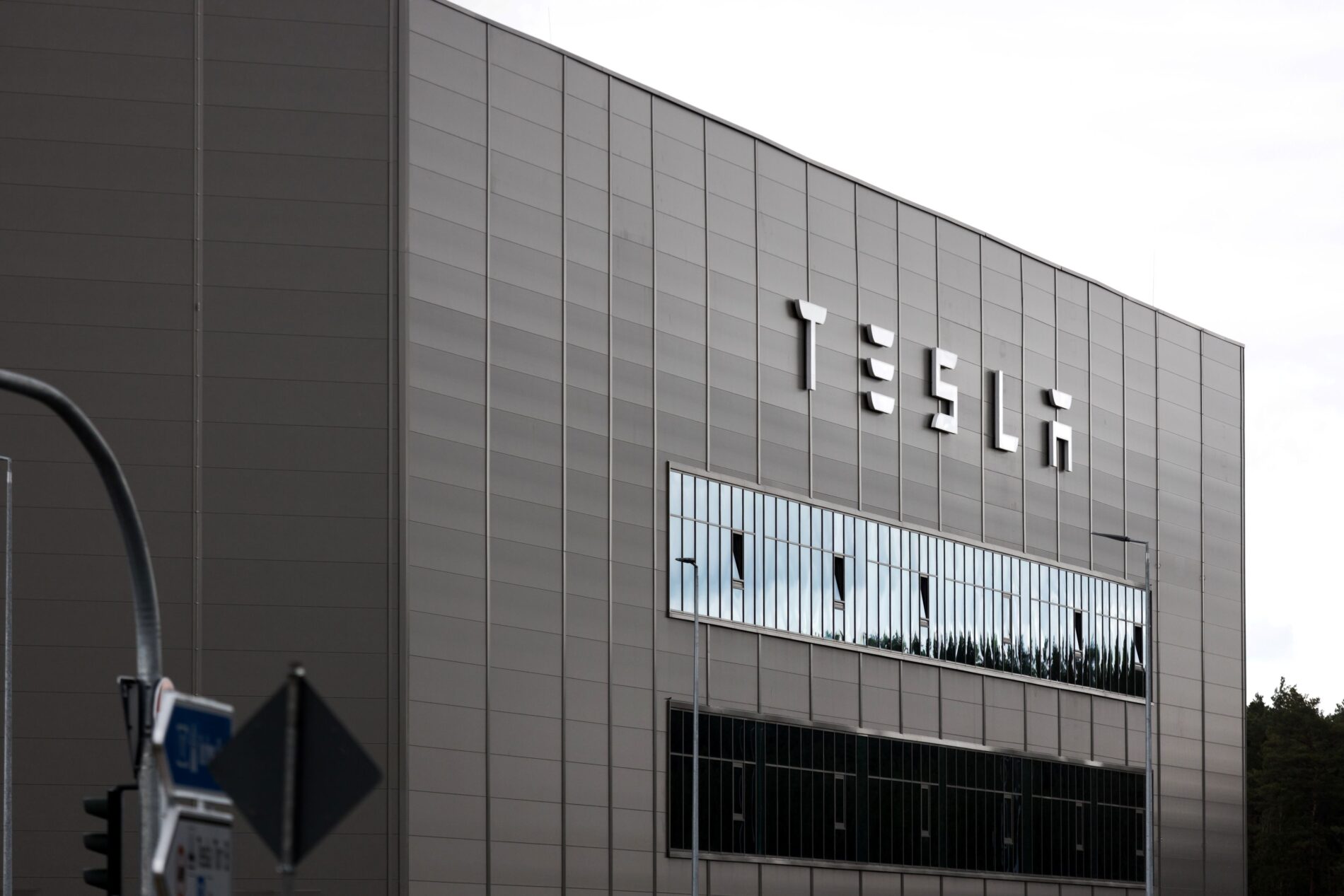
The original location logic was geared towards volume: short supply chains, lower transport costs, less import dependency, and tariff advantages. These advantages are measurable, but they only materialize with sufficiently high production volumes. If production volume decreases, the fixed costs remain almost constant. This shifts the cost calculation to the plant’s disadvantage.
Productivity in location comparison becomes a key argument
Thierig also points to lower productivity compared to plants in the US and China. In Tesla’s system, this is more than a minor point. The company evaluates locations based on output per unit of time and resource input. If other plants deliver faster, capital is directed to where the return per euro invested is higher.
Added to this is the strategic effect: The Gigafactory Berlin was intended to strengthen Tesla’s position in Europe. The current decline in sales below the plant’s pre- and early-stage levels reduces this benefit. This makes the question of whether Tesla will serve Europe more strongly in the future through other production and supply structures more pressing.
Works Council Election as an Investment Signal
According to media reports, management is questioning further investments if the IG Metall union wins the election. This makes the works council election a crucial economic event, as investment decisions often depend on planning certainty. For Tesla, this is about responsiveness, flexibility, and the ability to adapt processes without significant disruption.
The next few weeks are therefore likely to bring a decisive decision. Either Tesla will stabilize Grünheide with investments and clear capacity planning, or the company will prioritize other locations. In the latter case, the pressure on the German production site would increase further, potentially even leading to the closure of the Gigafactory.