
In Ludwigsfelde, south of Berlin, KNDS is in talks with Mercedes-Benz regarding a potential acquisition or partial utilization of the local van plant. Mercedes plans to phase out Sprinter production at the site by the end of 2029 and relocate it to Jawor, Poland, starting in 2030. The Franco-German defense group is seeking additional capacity for tanks and military vehicles. This move is driven by the massive military buildup currently underway in Europe, while the German automotive industry struggles with underutilization and site-related challenges. The uncertain future facing approximately 2,000 employees remains a particularly critical issue.
Tank Production Moves into Civilian Automotive Plants
Until now, Mercedes has manufactured chassis and open-body variants of the Sprinter at its Ludwigsfelde plant. This production long secured a clear industrial role for the site; however, the plant is now losing its traditional foundation.
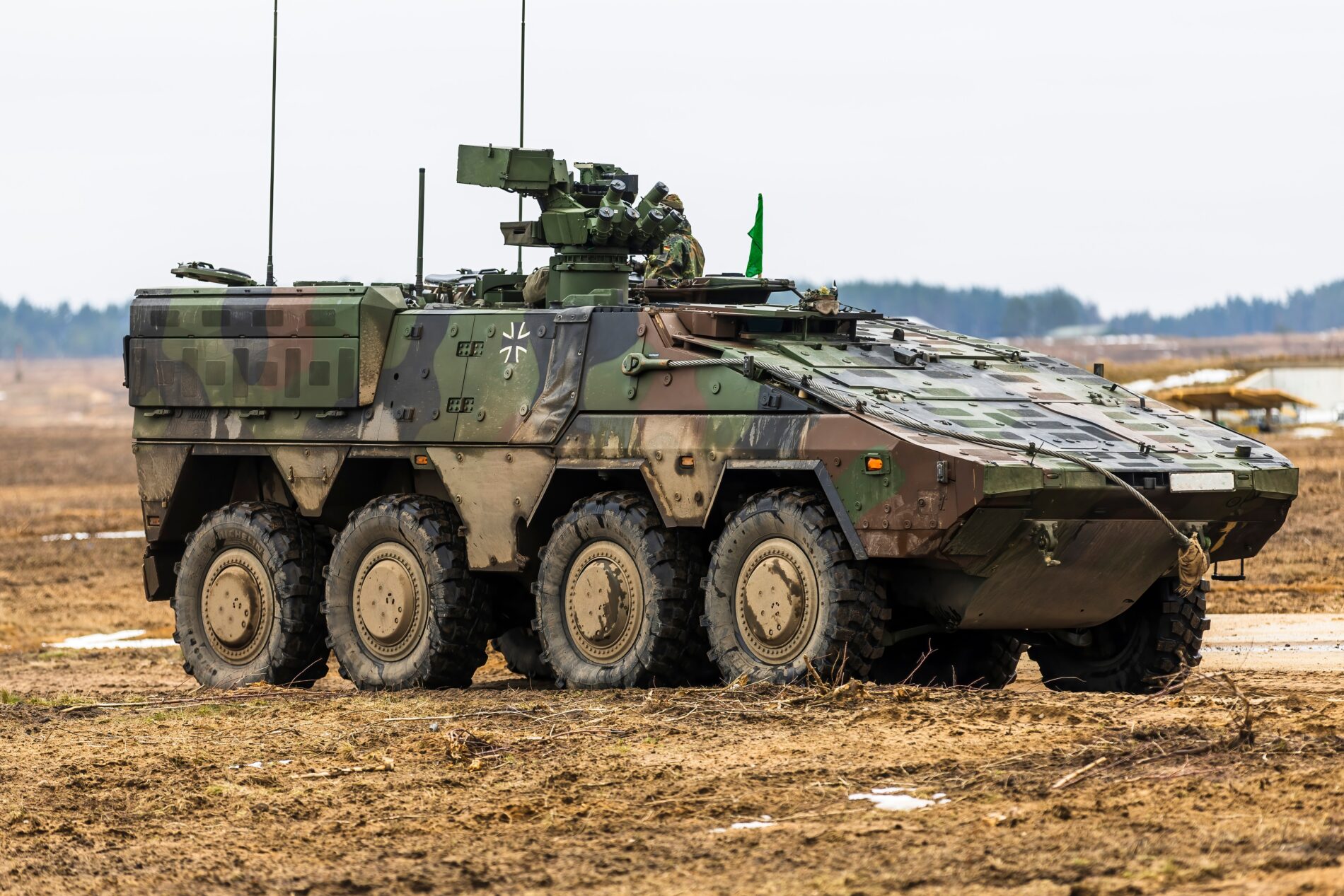
KNDS is seeking facilities equipped with production halls, skilled personnel, and expertise in vehicle manufacturing. For this reason, Ludwigsfelde fits well into the group’s strategic plans. A complete acquisition of the site is currently under consideration, as is the option of leasing specific sections of the facility.
Boxer Orders Intensify Demand for New Production Capacity
The primary focus lies on the Boxer vehicle, which KNDS manufactures jointly with Rheinmetall. The Bundeswehr could place orders for up to 3,000 units over the coming months. An order of this magnitude would clearly overwhelm the existing production lines.
KNDS has already established a new manufacturing facility in Munich-Allach. In the future, this site is expected to produce up to ten Boxer vehicles per month. Nevertheless, this capacity will barely suffice should Berlin place substantial orders.
The Automotive Industry Loses Ground While the Defense Sector Gains
The VW plant in Osnabrück is also currently under scrutiny. Current production runs there are scheduled to end in 2027. Consequently, Volkswagen is seeking a new future for the site.
However, this situation represents something more than just a shift involving a single location. The civilian industrial sector is losing substance, while the defense industry is absorbing the resulting excess capacity. If tanks are suddenly viewed as the solution for automotive plants, Germany faces a serious structural problem.
Rearmament Cannot Replace a Sustainable Industrial Model
For the workforce, KNDS may offer short-term security. At the same time, however, dependence on defense budgets and major military procurement contracts is growing. This trend renders industrial sites more vulnerable to shifts in political policy.
Germany is thus experiencing a dangerous realignment. In the past, prosperity was generated through civilian products, export strength, and a broad industrial base. If tanks are now expected to fill this void, rearmament cannot serve as a substitute for genuine economic renewal.