
Taiwan Power Company has submitted an application to the Nuclear Safety Council for a new operating license for the Maanshan nuclear power plant. The plant’s two units were already taken offline in July 2024 and May 2025, respectively, because their 40-year operating licenses expired and Taiwan’s nuclear phase-out took effect. The impetus for this new application is a legislative amendment from May 2025 that allows for a further 20-year extension of the operating license. This could extend Maanshan’s operating life from 40 to up to 60 years. However, the process remains complex because the authorities are also requiring assessments of aging, radiation protection, and earthquake safety. For Taiwan, therefore, this is not just about a single power plant, but also about security of supply, increasing electricity demand, and the plant’s heavy reliance on imported liquefied natural gas (LNG). (taiwannews: 27.03.26)
Taiwan launches review process, but hurdles remain high
Operator Taipower has submitted its complete application, including supporting documents, to the Nuclear Safety Council. The Ministry of Economic Affairs had previously approved the project. The submitted plan covers five key areas, including the condition of the reactors, the timeline, personnel and training, as well as maintenance, operating procedures, and quality controls.
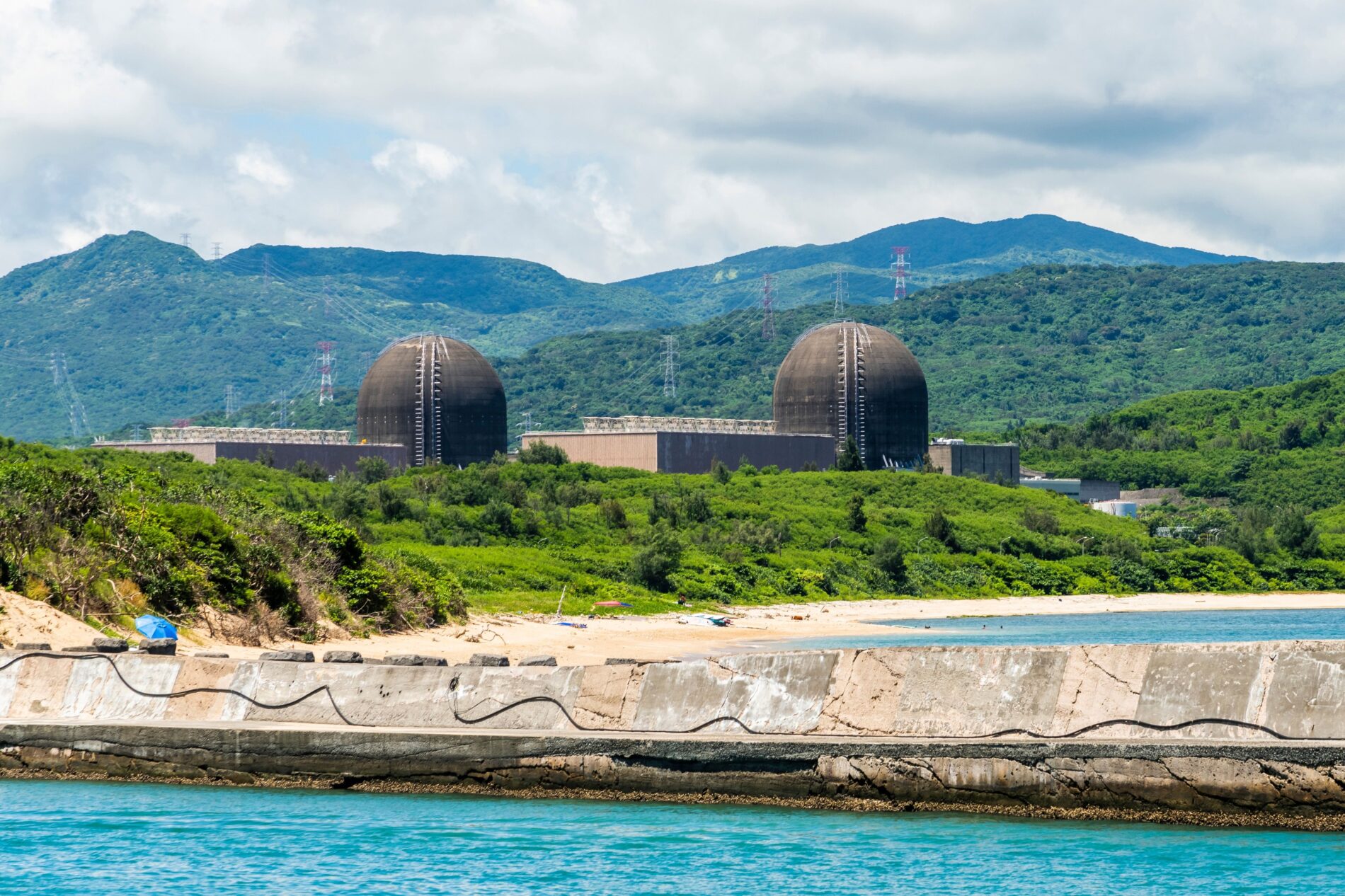
The regulatory authority will begin with a formal review of the documents. Only once all documents are complete will the detailed technical assessment commence. For this purpose, the Nuclear Safety Council will form a dedicated review panel, comprised of external experts and its own specialists. The authority announced that it will conduct a rigorous review in accordance with legal requirements and international standards. It stated: “This team will conduct a rigorous review in accordance with regulations and international best practices to ensure that Taipower has submitted a proper plan for all aspects of the restart plan and that it meets quality assurance requirements before the plan is approved.”
Even with approval, the power plant will remain without electricity production for a considerable time
A positive rating from the regulatory authority would not immediately reconnect the plant to the grid. Taipower itself points out that further independent safety inspections will be necessary afterward. According to the company, these inspections will take approximately 18 to 24 months. Only then can a report be submitted to the Nuclear Safety Council, which will then decide on the plant’s release.
In addition, the authority is requesting further documentation on particularly sensitive issues. This includes evidence of the plant’s aging assessment and aging management. Furthermore, the regulatory authority requires inspections of radiation-related issues and an assessment of earthquake safety. During the implementation of the restart plan, the Nuclear Safety Council also intends to conduct on-site inspections. Taipower must then submit an implementation report. Without its approval and without a new operating license, the plant will remain shut down.
Taiwan’s Energy Policy Turns Back to Nuclear Power
The political implications of this case are significant because Taiwan had firmly planned its nuclear phase-out for years. The Democratic Progressive Party won the 2016 election with the goal of a “nuclear-free” Taiwan by 2025. At that time, the government enshrined this course in law. The plan also included an energy mix of 20 percent renewable sources, 50 percent liquefied natural gas, and 30 percent coal.
Later, however, this course began to waver. In a referendum in November 2018, voters rejected the corresponding amendment to the law. Despite this, the government initially stuck to its position. Then-Minister of Economic Affairs Shen Jong-chin stated in January 2019 that “there will be no extensions or restarts of nuclear power plants in Taiwan due to subjective and objective conditions as well as strong public opposition.” Then, in May 2025, shortly before the final shutdown of Maanshan Unit 2, the government reversed course. Parliament, at the initiative of the opposition Kuomintang party, passed a reform of nuclear law. Since then, extending the operating life of nuclear power plants from 40 to 60 years has been possible. The main reasons for this are concerns about energy security, the rapidly growing demand for electricity due to AI applications, and the desire to reduce dependence on imported LNG.