
The new electric car subsidy program is intended to be socially balanced and reduce emissions, but the promised climate impact has failed to materialize. Despite high subsidies, the climate footprint of the transport sector has barely improved, even though billions are being spent. The electric car subsidy generates attention, but it has not noticeably changed purchasing behavior or emissions trends, while other, more effective measures are being overlooked.
Lack of Climate Impact Despite High Spending
The German government is once again relying on purchase incentives, even though previous programs have failed to produce any measurable climate impact. The transport sector has remained at a virtually constant emissions level for years, while other sectors are showing at least slight progress. Nevertheless, further funds are being channeled into subsidies instead of addressing structural barriers. This policy is based on expectations, not on verifiable results.
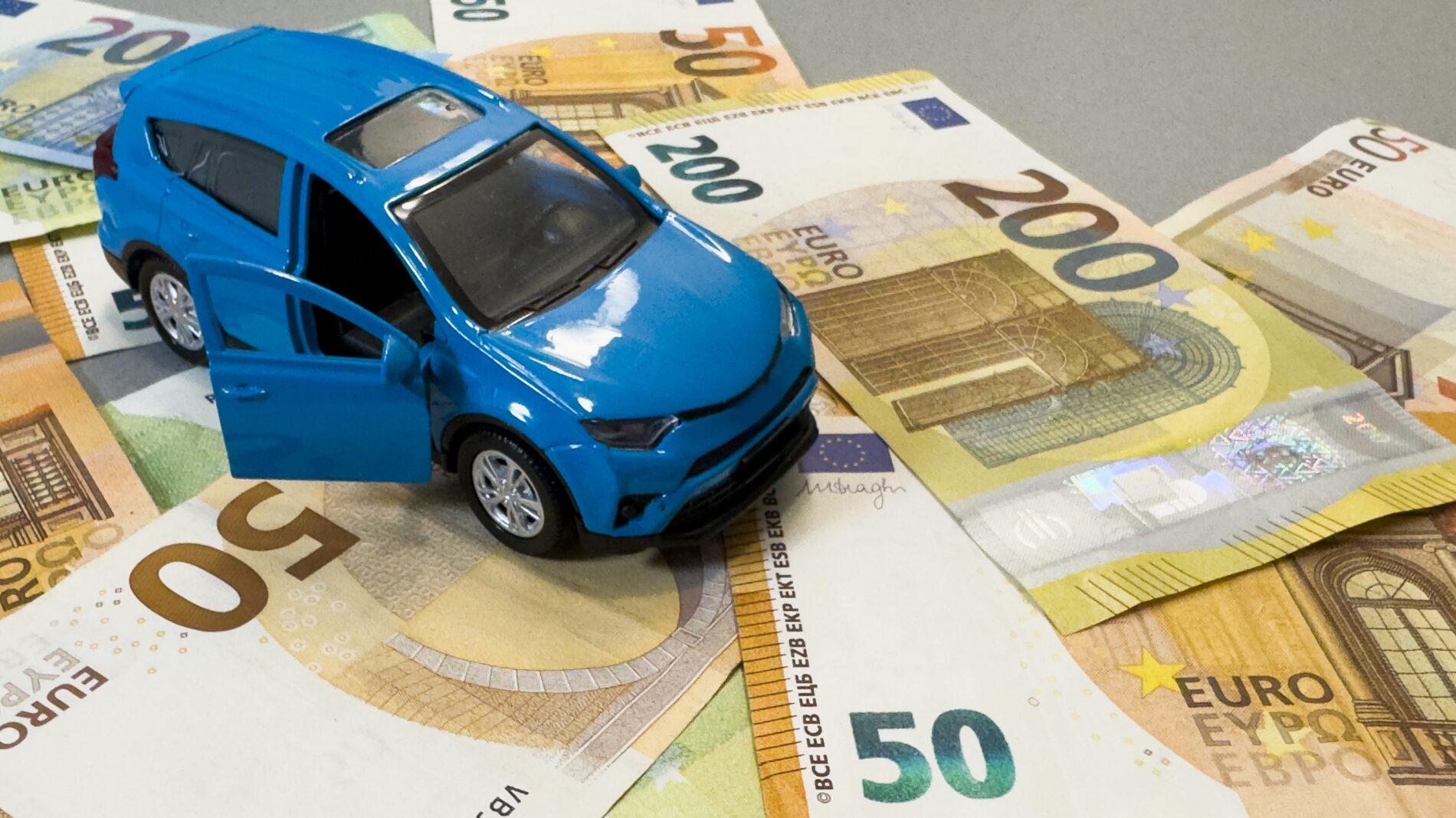
Electric car subsidies don’t follow a clear climate path. They arose from political agreements, not from a dispassionate impact analysis. While they are intended to create acceptance, acceptance doesn’t replace actual emissions reductions. The transportation sector, in particular, demonstrates that purchase incentives merely prioritize demand.
A sobering assessment of the climate balance and the market
A look at the figures confirms the criticism. The previous environmental bonus swallowed billions, while the climate balance barely improved. Electric cars are considered emission-free by regulations, but their real impact depends on the electricity mix. Under realistic assumptions, the emissions balance remains weak.
The cost per ton of CO₂ saved is around €1,000. This is disproportionate to the climate impact achieved. In emissions trading, the same savings cost significantly less. Nevertheless, policymakers continue to prioritize subsidies, even though more efficient market-based instruments exist.
A social objective without real impact
Proponents argue in terms of social justice. But low-income households don’t buy new cars. Even subsidized leasing models do little to change this. Electric vehicle subsidies therefore primarily reach middle-income earners. They postpone purchasing decisions instead of enabling new ones.
International examples confirm this pattern. Programs with a social veneer generate short-term increases in demand, but no lasting climate impact. As soon as budgets decrease, interest collapses. The carbon footprint remains virtually unchanged, while administrative costs increase.
Distortions in the Transport Sector
Additional subsidies distort the market. Manufacturers factor subsidies into their prices. As a result, vehicle prices fail to fall. The incentive to develop affordable models diminishes. In the long term, this weakens the dynamics of innovation.
In the transport sector, tariffs and origin restrictions exacerbate this effect. Less competition leads to higher prices. This hinders market ramp-up without improving the climate impact. At the same time, the climate balance suffers because more efficient alternatives are blocked.
Emissions Trading Instead of Purchase Premiums
From 2028, the European emissions trading system will also apply to road transport. A uniform price will then control emissions. Purchase premiums will thus become superfluous and even counterproductive. They artificially inflate the cost of any additional climate impact.
Instead of further subsidies, clear price signals and reliable framework conditions are needed. Only in this way can the climate balance be sustainably improved. Electric vehicle subsidies, on the other hand, remain an expensive symbol without any structural impact on the transport sector.
Conclusion
Current funding policies tie up enormous resources without achieving any significant climate impact. They distort markets, crowd out more efficient instruments, and generate substantial windfall gains. As long as political symbolism dominates, climate policy in the transport sector will remain expensive and ineffective. (KOB)