
In Switzerland, the debate surrounding new nuclear power plants is intensifying as parliamentary discussions on the blackout initiative begin. The trigger is a study by Economiesuisse, which classifies the safety risk of modern Generation 3+ reactors as negligible from an economic perspective. The central question is whether a new nuclear power plant would be viable and insurable despite potential catastrophic damage. At the same time, Chernobyl and Fukushima continue to shape the political landscape, making the issue highly sensitive. The analysis quantifies only minimal risk costs for electricity prices, even with potential damages reaching up to 100 billion Swiss francs. This gives new impetus to the debate on security of supply, liability, and the potential consequences for taxpayers. (nzz: 11.03.26)
Safety Risk at the Heart of the Nuclear Power Plant Debate
The study was conducted by Hato Schmeiser, Director of the Institute for Insurance Economics at the University of St. Gallen. Economiesuisse presented it at the start of the debate to clarify the insurance issue for potential replacement plants. The study calculates the theoretical premiums that would be incurred if the risk of severe accidents were quantified in monetary terms. It considers potential damages of up to 100 billion Swiss francs. The Federal Office for Civil Protection estimates the costs of a severe reactor accident at around 60 to 70 billion Swiss francs, although previous federal studies have sometimes cited even higher figures.
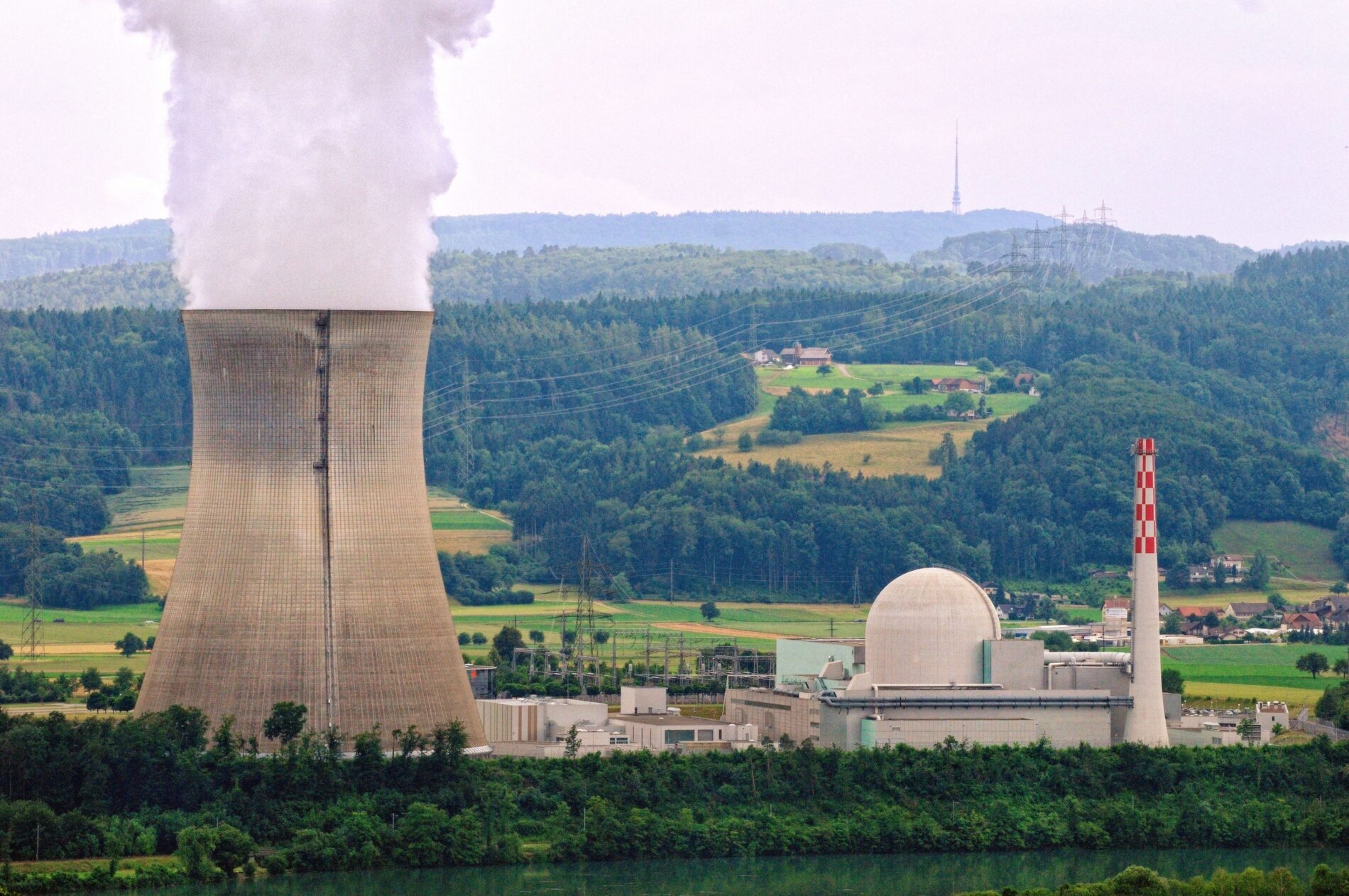
The result is clear from the proponents’ perspective. According to the study, the risk-weighted costs of new reactors range between 0.000009 and 0.00009 centimes per kilowatt-hour. This is practically insignificant for the electricity price. Economiesuisse therefore argues that the often-cited argument against new nuclear power plants is losing its weight. Those who claim that nuclear power will become unaffordable when all risks are fully factored in will find no confirmation in this analysis.
Modern technology significantly reduces the safety risk
According to the study, the main reason for the low figures lies in the technology of new plants. Modern reactors are said to have a roughly one hundred times lower probability of serious accidents than older Swiss nuclear power plants from the last century. Even compared to existing plants that have been retrofitted over decades, the risk is reportedly ten times lower. This fundamentally changes the assessment because it is not only the extent of the damage that counts, but above all the probability of occurrence.
In addition, new safety concepts are being implemented. Many protection systems operate passively and can cool the reactor core even without an external power supply or personnel intervention. This point is crucial because the failure of such safety devices contributed to the escalation in Fukushima. According to this logic, replacing old plants with new reactors would not only bolster the electricity supply but also reduce the safety risk compared to the current power plant fleet. However, Economiesuisse emphasizes that this should not be interpreted as a general vote of no confidence in Switzerland’s existing nuclear power plants.
The state would still be liable in a worst-case scenario
Despite the positive assessment, the study acknowledges a clear limitation. Damage from a major incident like Chernobyl or Fukushima could realistically never be fully covered by private insurance. While operators are generally liable without limit, this liability effectively ends where their resources and insurance coverage are exhausted. The mandatory liability coverage for Swiss nuclear power plants is only 1.3 billion Swiss francs. Anything exceeding this amount would therefore have to be borne by the state and taxpayers.
Economiesuisse, however, points to other energy sources. Even in the event of a large hydroelectric dam failure, extreme damage would not be fully covered. The study therefore calls for equal standards for all technologies. Ultimately, the annual risk costs of nuclear power and renewable energies are virtually zero in both cases. Furthermore, the federal government estimates the potential damage from a power shortage at around 100 billion Swiss francs. Because this scenario is considered more likely than a major accident in a modern reactor, the debate about the safety risk of new nuclear power plants in Switzerland could gain further momentum.