
Starcar is closing down, but the scale of the collapse is surprising many: The Hamburg-based car rental company is ceasing operations following its insolvency, and more than 1,000 jobs within the group are at risk. The company filed for insolvency at the end of 2025, and until recently, no investor could be found for a complete takeover. (abendblatt: 05.01.26)
Operations cease after insolvency proceedings
Starcar filed for insolvency in October because the situation escalated despite ongoing business operations. The group employed more than 1,000 people. Insolvency benefits covered wages and salaries until the end of 2025. At the beginning of January 2026, Starcar finally ceased operations completely.
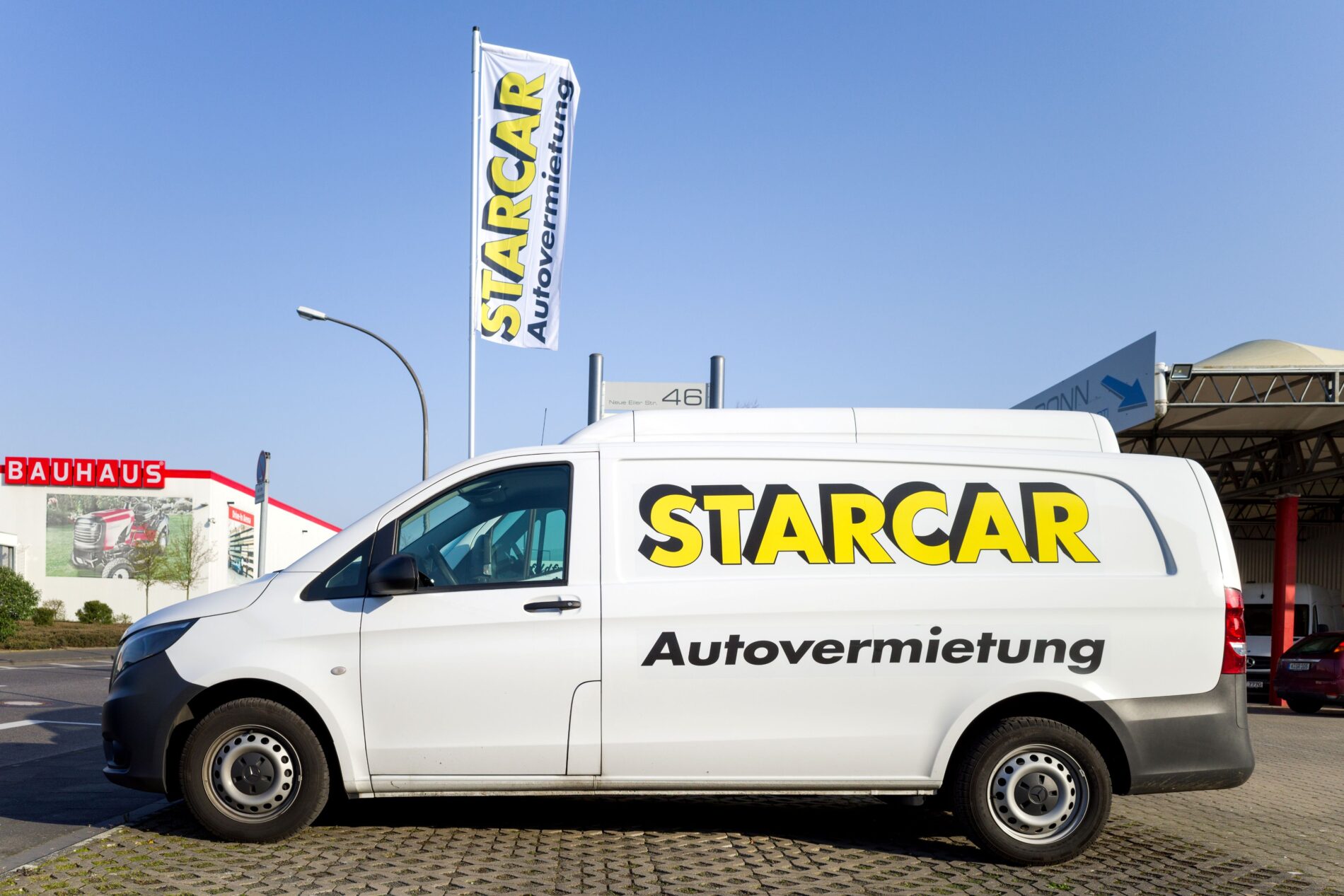
The search for investors proved unsuccessful, as no buyer was willing to acquire the company as a whole. Insolvency administrator Christoph Morgen (Brinkmann & Partner) initially sounded optimistic and praised the company’s operational structure. “The rental business is well-organized. We essentially have a stable company here,” Morgen said at the end of October. “The brand has a positive image and enjoys high recognition.” He also formulated a clear objective: “Our goal is to stabilize operations, secure jobs as far as possible, and develop a viable solution for Starcar’s future together with management.”
Why the takeover failed
Many observers were surprised, even though Starcar had signaled growth just shortly before. CEO Jens E. Hilgerloh had reported a significant increase in revenue in August 2025 and outlined further plans. Revenues rose from €341.73 million (2023) to €510.65 million (2024). This very momentum was perceived externally as a sign of stability.
However, this growth came at a high cost in capital, and liabilities also increased significantly. According to the report, Starcar Europa Service Group AG’s 2023 annual financial statements show total debts of nearly €286 million. The group had already taken out a syndicated loan of €240 million with a three-year term in 2022. The company reportedly applied for an extension of the loan term in 2024 but was not granted.
Loan burden, residual values, domino effect
Added to this was a fleet problem, while the used car market didn’t cooperate with all expectations. Media reports speak of miscalculations regarding the residual value of the vehicles. Starcar was therefore unable to sell some of the cars as anticipated, and the vehicles remained financed longer. This immediately impacted the cost structure.
The financial difficulties subsequently affected other parts of the group, although not all businesses fared equally well. With the insolvency of the parent company, several subsidiaries also slid into bankruptcy, and on January 1st, the formal insolvency proceedings began for several companies after the preliminary phase. Starcar also looks back on almost 40 years of history: Since its founding in 1987, the brand grew strongly, establishing more than 100 locations nationwide as well as over 500 partner rental locations, and for a long time was among the top car rental companies. In its farewell message, the company writes: “We will miss you.” The website also states: “We sincerely thank you for your loyalty, your trust, and the many kilometers traveled together over the past years.” However, for some licensees, things will continue because they operate independently in economic and legal terms and want to proceed with a new partner.