
The SPD’s obstructionist stance is exacerbating the conflict surrounding gas-fired power plants and thereby jeopardizing energy security. Experts from the Federal Network Agency have been emphasizing for years that new capacity is essential to maintaining the stability of the energy transition. Nevertheless, some members of the Social Democrats question these analyses, despite the absence of their own studies. This approach is based on political intuition and endangers energy security, because the transformation pathway only offers lasting protection with reliable gas-fired power plants. (welt: 18.11.25)
Fragile Argumentation and Ignored Facts
The Federal Network Agency analyzed the situation with extensive expertise and defined a need for between 17 and 21 gigawatts of new capacity by the early 2030s. The regulatory authority based its analysis on real bottleneck risks, grid data, and climate scenarios. Nevertheless, the SPD rejects key parts of this plan. There is no technical basis for this rejection. No expert opinion, no independent review, no technical counter-proposal.
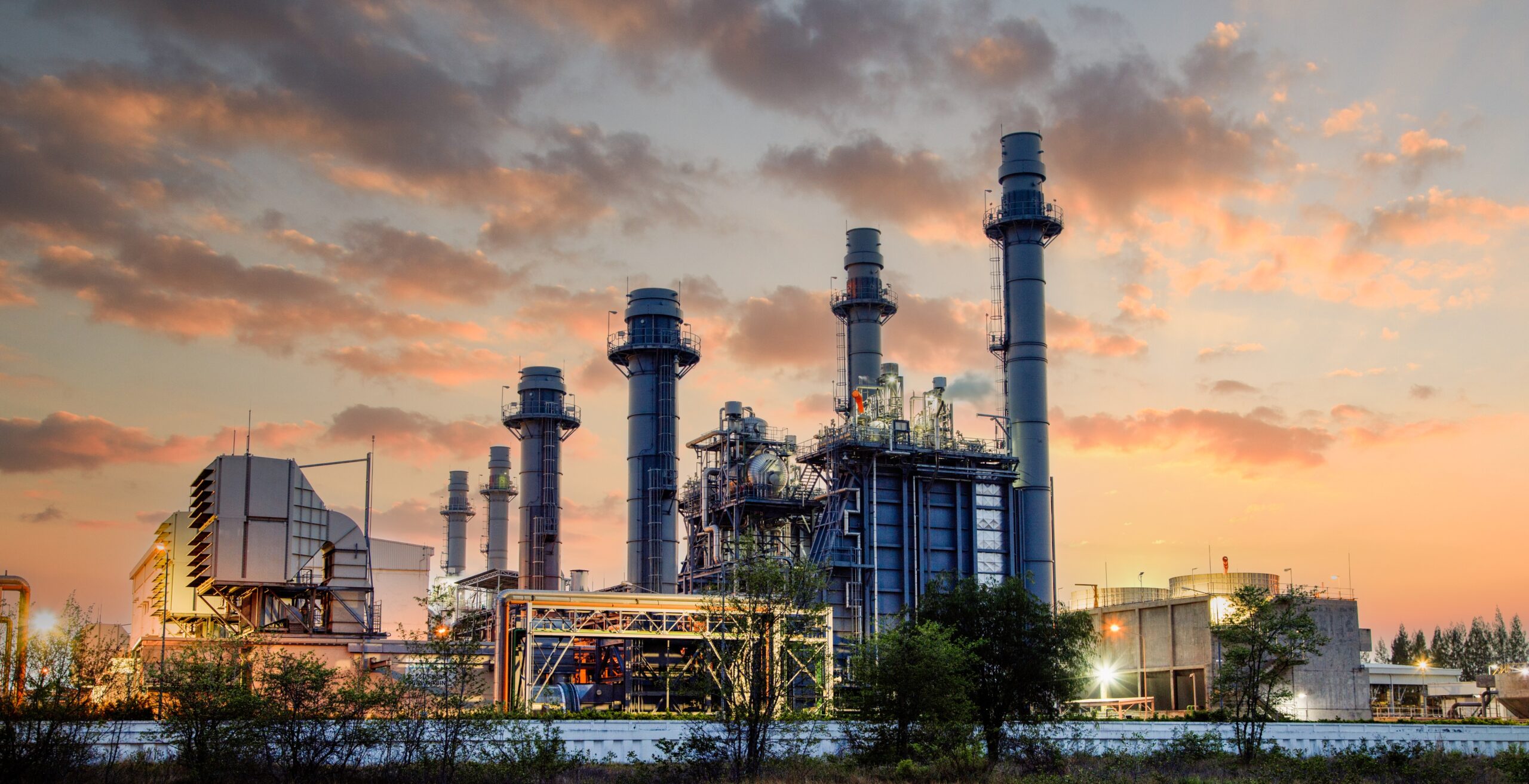
At the same time, the EU is limiting subsidies for fossil gas plants. Political leeway is shrinking. However, this limitation does not change the fact that additional gas-fired power plants are necessary for a stable energy supply. The Social Democrats are ignoring precisely this point, prioritizing political messages over fundamental physical realities.
SPD Position Without a Study Basis
The EU is expected to signal approval for just over ten gigawatts of new capacity plus two gigawatts of other “controllable capacity.” This figure is clearly below the Federal Network Agency’s requirements. Nevertheless, Armand Zorn declares: “I welcome the fact that we have agreed on lower volumes for state subsidies for the construction of new gas-fired power plants than originally discussed.” He adds: “It is good that the volumes are now being reduced to a more realistic level for security of supply.”
These statements lack any sound basis. The SPD provides no analysis to support its assessment. When asked, they merely refer to “other controllable technologies” and demand-side flexibility. This is no substitute for data. It shifts responsibility and serves as a rhetorical escape from a self-created contradiction.
Limits of unrealistic alternatives
The party clings to promising technologies. But flexible consumers offer little help. Households with heat pumps have virtually no leeway in winter. Industrial companies warn of technical damage if production lines have to be constantly adjusted. Electric cars are also hardly a reliable resource, since bidirectional charging in Germany is still in the experimental stage.
Battery storage provides stability only for short periods. They often last no longer than a few hours. However, periods of low wind and solar output can last for many days. Gas-fired power plants therefore remain indispensable. The SPD is ignoring precisely this reality – and thus jeopardizing energy security.
Contradictory environmental arguments and outdated calculations
Even environmental organizations present an inconsistent picture. The German Environmental Aid Association (Deutsche Umwelthilfe) speaks of a “fossil fuel agenda,” yet ignores the fact that Reiche is merely fulfilling the requirements of the Federal Network Agency. Part of the movement uses moral arguments without considering the technical fundamentals. This creates a distorted image.
A look back reveals further contradictions: The think tank Agora Energiewende even calculated in its “Climate-Neutral Germany 2035” project more than 60 gigawatts of gas-fired power plants. This figure significantly exceeds the current demands of the Federal Network Agency. At the time, there was no criticism. Today, however, Reiche faces fierce resistance, even though the current targets are far below the Agora forecast and the demands of the Federal Network Agency.