
In Germany, farmers have been increasingly losing leased land to operators of large solar parks since 2023, while government subsidies and high energy prices are accelerating expansion. Regions with intensive agriculture are particularly affected, as investors are paying significantly higher leases. The decisive risk factor lies in this financial superiority, which is crowding out agricultural use. Many farms without their own land are consequently under pressure because their economic foundation is disappearing. The consequences are shrinking arable land, increasing pressure on farmers to survive, and accelerated structural change. (merkur: 18.04.26)
Leased land becomes a central point of conflict
Investors often offer significantly higher lease prices for land, which is why owners are re-leasing their properties. Farmers can hardly afford these prices, and as a result, they are losing important production areas. Smaller farms, in particular, are at a disadvantage, while financially strong investors profit.
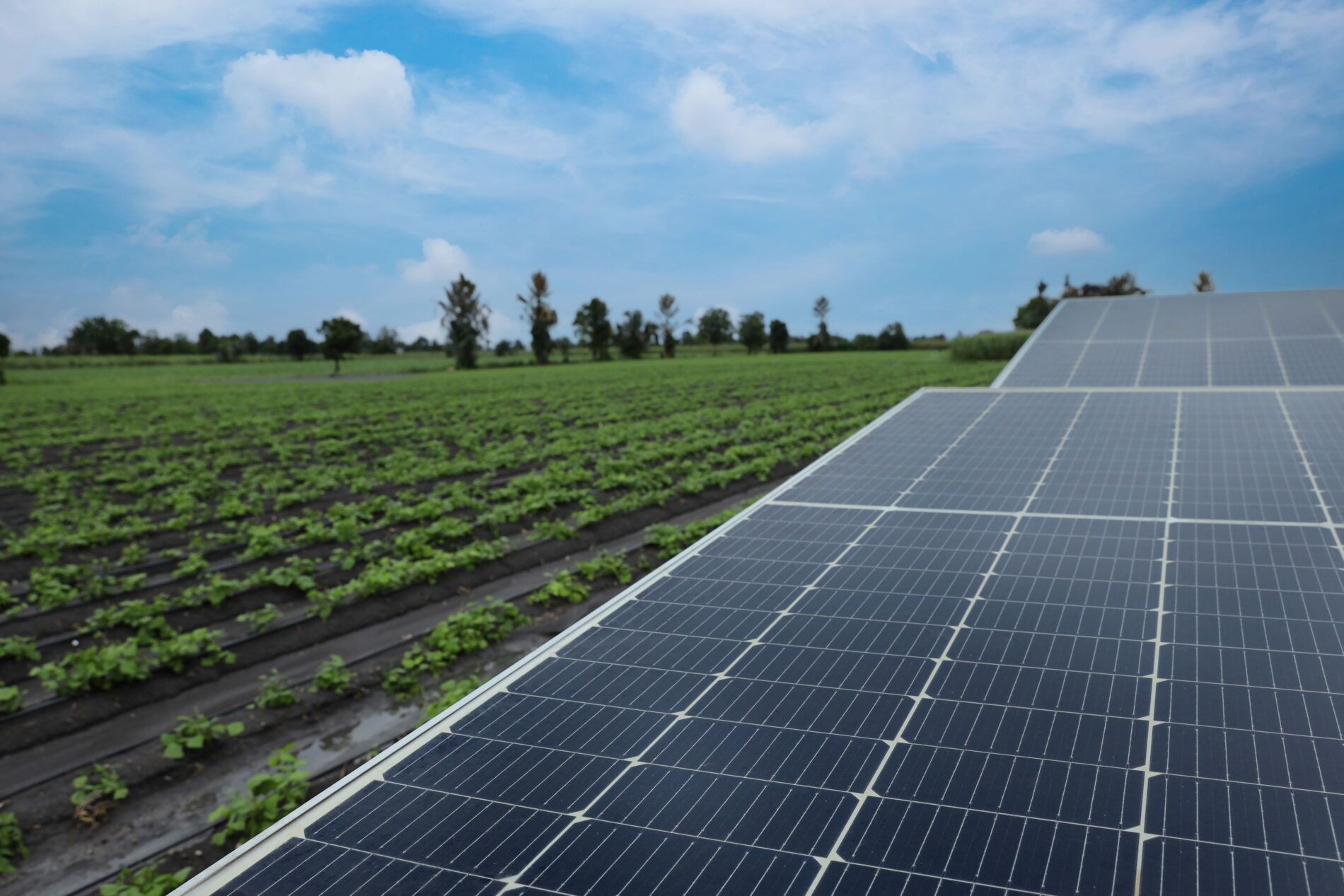
Many landowners are signing long-term contracts with solar companies because these guarantee stable income. At the same time, agricultural land is disappearing from use, exacerbating the situation. This results in direct economic losses for many farmers.
Structural change is hitting small farms particularly hard
One farmer describes the situation clearly: “For some, it’s often a matter of survival.” This statement illustrates the dramatic nature of the development as competition for land intensifies. The loss of land is accelerating the transformation of the agricultural sector because many farms are heavily dependent on leases.
Without sufficient land, yields decline, creating economic pressure. Many farms are forced to reduce production or face closure. Meanwhile, large landowners benefit from increased revenues, while tenants are being squeezed out.
Energy Policy Exacerbates Land Conflict
This development is significantly altering the structure of agriculture, while the concentration of land use is increasing. Regional food production is also under pressure because less land is being cultivated. At the same time, demand remains stable, creating new dependencies.
The promotion of renewable energies is specifically driving the expansion of solar parks, while agricultural interests are often sidelined. Incentive programs increase the attractiveness for investors, which in turn drives up demand for land. This further intensifies competition for leased land.