
At first glance, the target for the smart meter rollout appears to have been met. The Federal Network Agency reports a rate of 20.2 percent for mandatory installations by the end of September 2025. However, many metering point operators are still lagging far behind. For numerous operators, fines are becoming increasingly likely. This target primarily affects mandatory installations involving high consumption or controllable devices such as wallboxes. (heise: 03.01.26)
Target vs. Reality: Low Coverage Despite Growth
The smart meter rollout is growing, but the base remains small. As of September 30, 2025, the Federal Network Agency counted approximately two million installed smart metering systems. This corresponds to 3.8 percent of all metering locations. At the end of June 2025, the figures were 1.6 million and 3.0 percent, respectively. The market is therefore growing, but not nationwide.
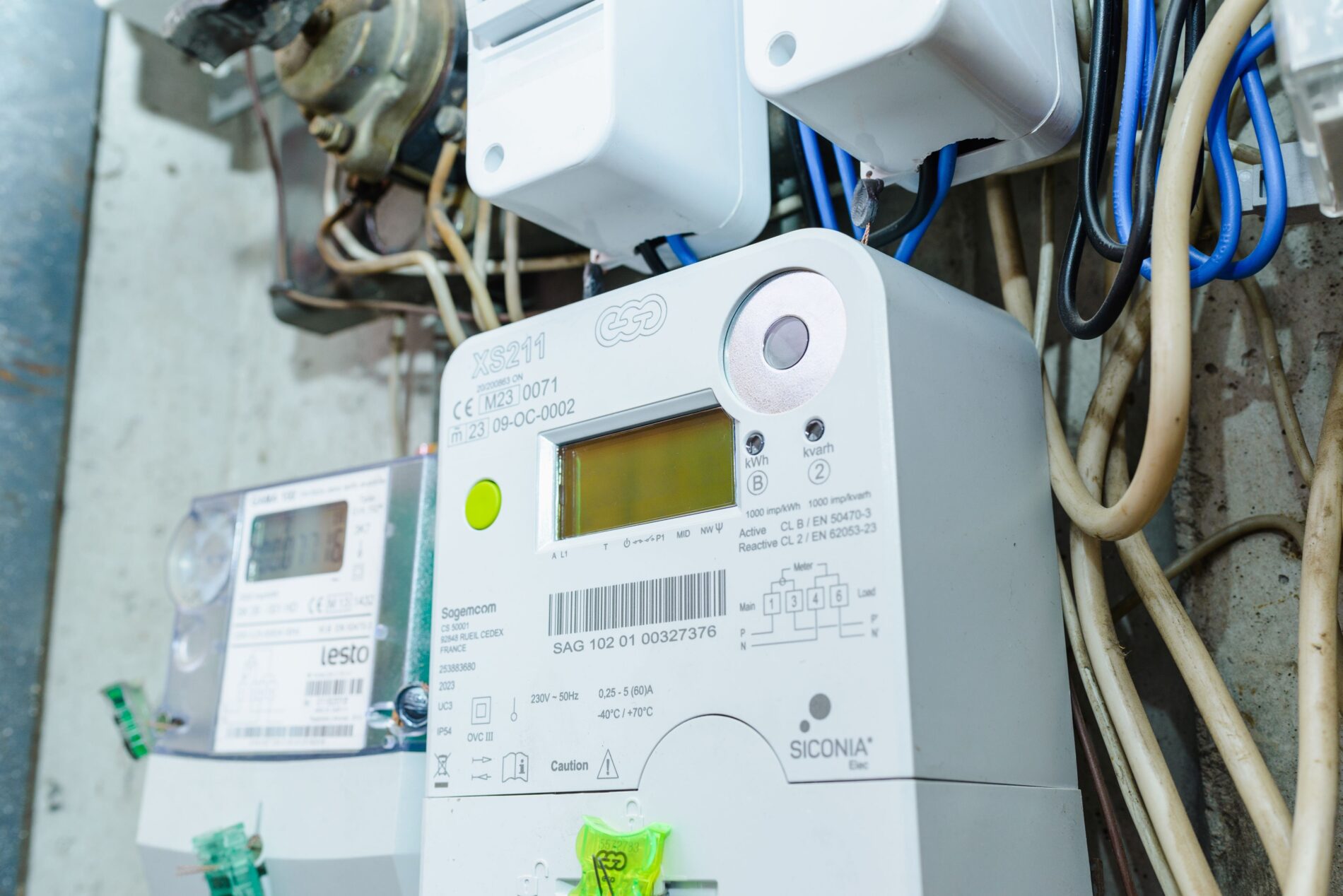
The target does not refer to all metering points, but only to mandatory installations. The nationwide rate for these is 20.2 percent by the end of September 2025. This means the market is already reaching the legally mandated interim target on average before the end of the year. However, this average masks the disparity between large and small operators.
Metering point operators compared: Large ones deliver, small ones hold back
The Federal Network Agency sees the progress primarily among large market players. Many small metering point operators are progressing significantly more slowly. For the approximately 600 operators with fewer than 30,000 metering points, the installation rate averaged 8.2 percent of mandatory installations on September 30, 2025. This means that numerous operators are highly likely to miss the target.
Klaus Müller pointed out another issue on LinkedIn before Christmas: 188 operators had not installed a single smart meter by the end of September 2025. There are a total of 814 basic metering point operators. This variation creates unequal conditions across network areas. A metering service provider can often scale processes and installation capacities more quickly than a small municipal utility.
Federal Network Agency Relies on Enforcement and Fines
The Federal Network Agency has announced concrete supervisory measures. Klaus Müller indicated that steps will be taken after the data has been validated by December 31, 2025. Fines will be used as leverage. The agency can impose fines repeatedly and increase them gradually. These fines are intended to enforce compliance with legal obligations.
This increases the pressure on affected metering point operators. Fines strain budgets and management capacities. They increase the need for robust rollout processes, service providers, and scheduling. They can also damage the trust of customers and the local public.
Target Remains Controversial: Data Gaps and Market Expectations
The figures from the Federal Network Agency do not fully reflect the smart meter rollout. Competitive metering point operators are not required to report their rollout data. Experts therefore sometimes cite higher overall figures. However, for the legally mandated target, the performance of the default metering point operators in their network areas is paramount.
Despite this initial success, many companies still consider the smart meter rollout too slow. Providers of dynamic tariffs need greater availability of smart metering systems. Network operators require more controllability for wallboxes and other flexible loads. Therefore, the smart meter expansion will only have a real impact when the target is achieved not just on average, but across the board.