
Eon is calling for mandatory smart meters in all households. The impetus is the slow rollout in Germany, despite growing demand. At the end of September 2025, the installation rate in Germany was just under 4 percent, with nearly two million devices transmitting data, while many EU countries have already reached 80 percent or more. Marc Spieker, Eon’s sales director responsible for residential and large-scale customers, said: “If I had one wish, it would be a mandatory rollout of smart meters in Germany.” At the same time, Eon sees risks, as networks without metering data are less manageable, making it difficult for customers to take advantage of variable tariffs.
What Smart Meters Are Supposed to Change
Smart meters continuously record how much electricity a household draws from the grid. This continuous measurement data is used to generate quarter-hourly values, meaning consumption data in 15-minute blocks. These values are transmitted to the metering point operator, the responsible grid operator, and, depending on the tariff and billing model, also to the electricity supplier.
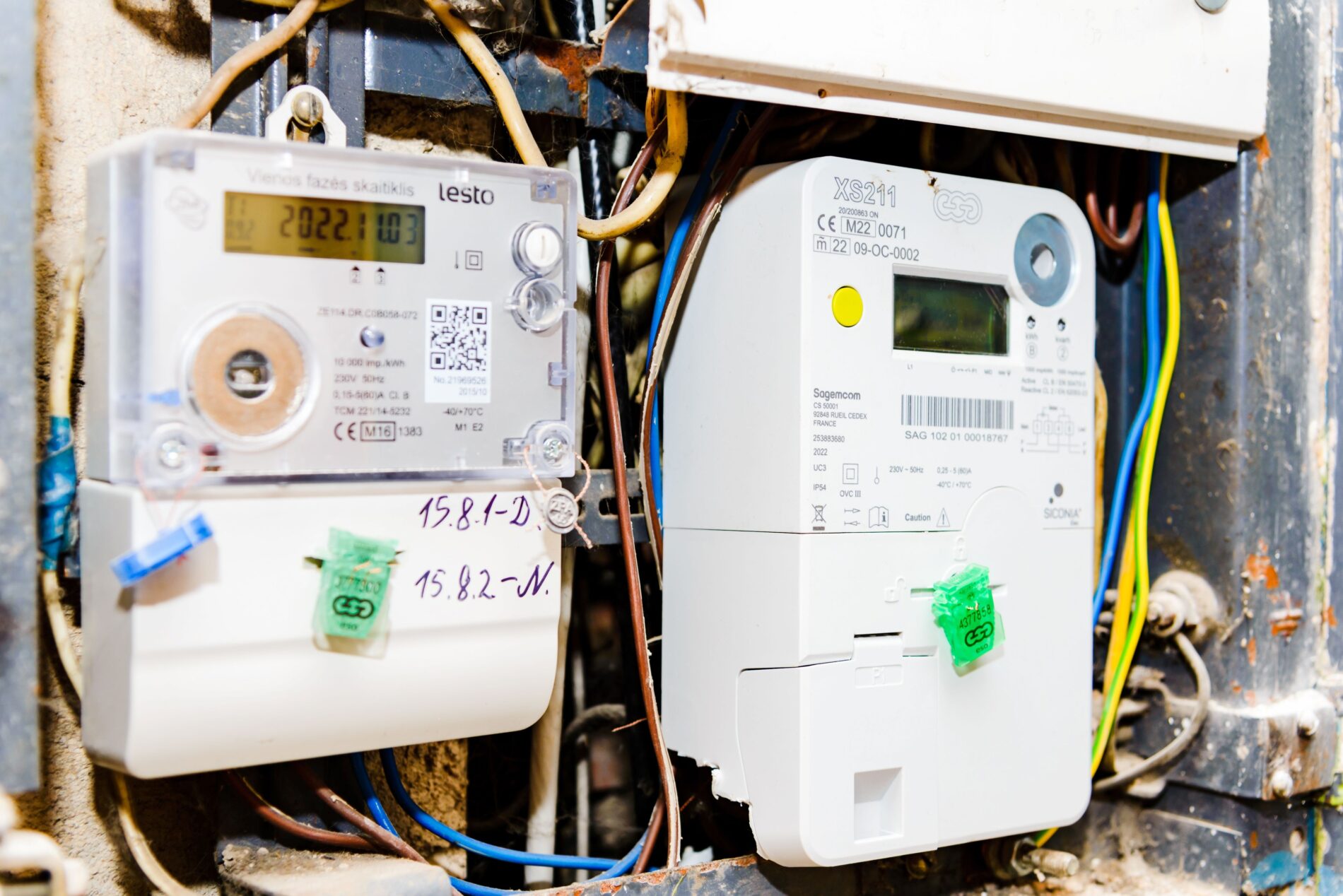
With dynamic or time-variable tariffs, the provider determines when electricity is more expensive or cheaper. Price information is delivered via app or the corresponding customer portal, often as a schedule for the next day. There, customers see specific time windows and can react accordingly. Network operators can use the data to better manage their networks, but this only works with high coverage. Eon therefore connects the systems directly to grid stability monitoring. Without meter readings, peak loads are harder to predict.
Germany lags behind in rollout
Currently, network operators are not required to install smart meters nationwide, but primarily in households with high or controllable loads. These include, for example, heat pumps, wallboxes for charging electric cars, or larger photovoltaic systems, because grid control and billing need to be more precise in these cases. In ordinary households without such technology, installation is usually voluntary or given lower priority, although smart meters incur additional ongoing charges for the end consumer. These monthly fees are added to the electricity price, whereas the existing standard meter is generally used without separate additional costs.
Spieker openly criticizes the pace and demands consequences. He said: “This is too slow and far too lax. It’s unacceptable that the network operators who are still lagging behind aren’t being sanctioned.” For him, voluntary measures are insufficient, while the energy transition requires more in-depth data.
Sanctions as leverage
Spieker wants clear penalty rules for any future mandatory metering, to prevent anyone from dragging their feet. Network operators that are too slow should lose the right to replace the meters themselves after one year. Other companies could then take over, ensuring the replacement process continues.
Eon highlights its own impressive track record, but the gap remains significant. According to Eon, it will have installed almost one million meters by the end of 2025. The company also wants all network areas to follow suit, not just a few pioneers.
Tariffs, Savings, and Control
Eon sees concrete advantages for customers, and the company also intends to implement new tariffs. Spieker said: “Where we can provide our customers with their consumption in 15-minute intervals, we can offer them completely different solutions.” This allows for more staggered pricing based on the time of day.
Spieker cited Great Britain as an example, where a tariff is more expensive in the late afternoon and cheaper at other times. Customers adjust their behavior and save an average of five to ten euros per month. Spieker added: “This is extremely relevant for many customers. And it encourages people to shift their consumption sensibly.”
Rights since 2025 and everyday hurdles
Since the beginning of 2025, every household has been entitled to request a smart meter, and the network operator has four months to install it. However, there is still no obligation for everyone. Those who want the installation voluntarily bear the costs themselves, which is why some customers hesitate.
In rented properties, the landlord’s consent is also required. This slows down installation because decisions take longer. Eon is therefore using this situation as an argument to simplify regulations and prevent the rollout from stalling.
Eon’s Role in the Network Business
Eon is a very large energy supplier in Germany, and the company also dominates the distribution network. It has twelve million electricity and two million gas supply contracts in Germany. Through numerous subsidiaries, Eon operates approximately one-third of the German distribution network.