
Sensor specialist Sick AG, based in Waldkirch, plans to cut around 500 jobs in southern Baden-Württemberg. The cuts will affect the Waldkirch, Reute, Freiburg, and Donaueschingen locations, which currently employ approximately 5,000 people. The reduction was recently announced after the company had already warned of further cuts in November and, in January, announced the closure of its Karlsruhe site and the elimination of around 100 jobs in Hamburg. According to the company, the reasons for the cuts are intensified competition, declining revenues, and insufficient profitability. This means the job cuts are affecting the company’s core region. At the same time, Sick reaffirms its commitment to its main location in southern Baden-Württemberg. (badische-zeitung: 15.04.26)
Poor performance figures drive cost-cutting measures
The company primarily justifies the move with its financial situation. While CEO Mats Gökstorp pointed to a six percent increase in revenue last year, the published figures paint a significantly weaker overall picture. Revenue in 2024 was €2.1 billion, 8.9 percent lower than the previous year.
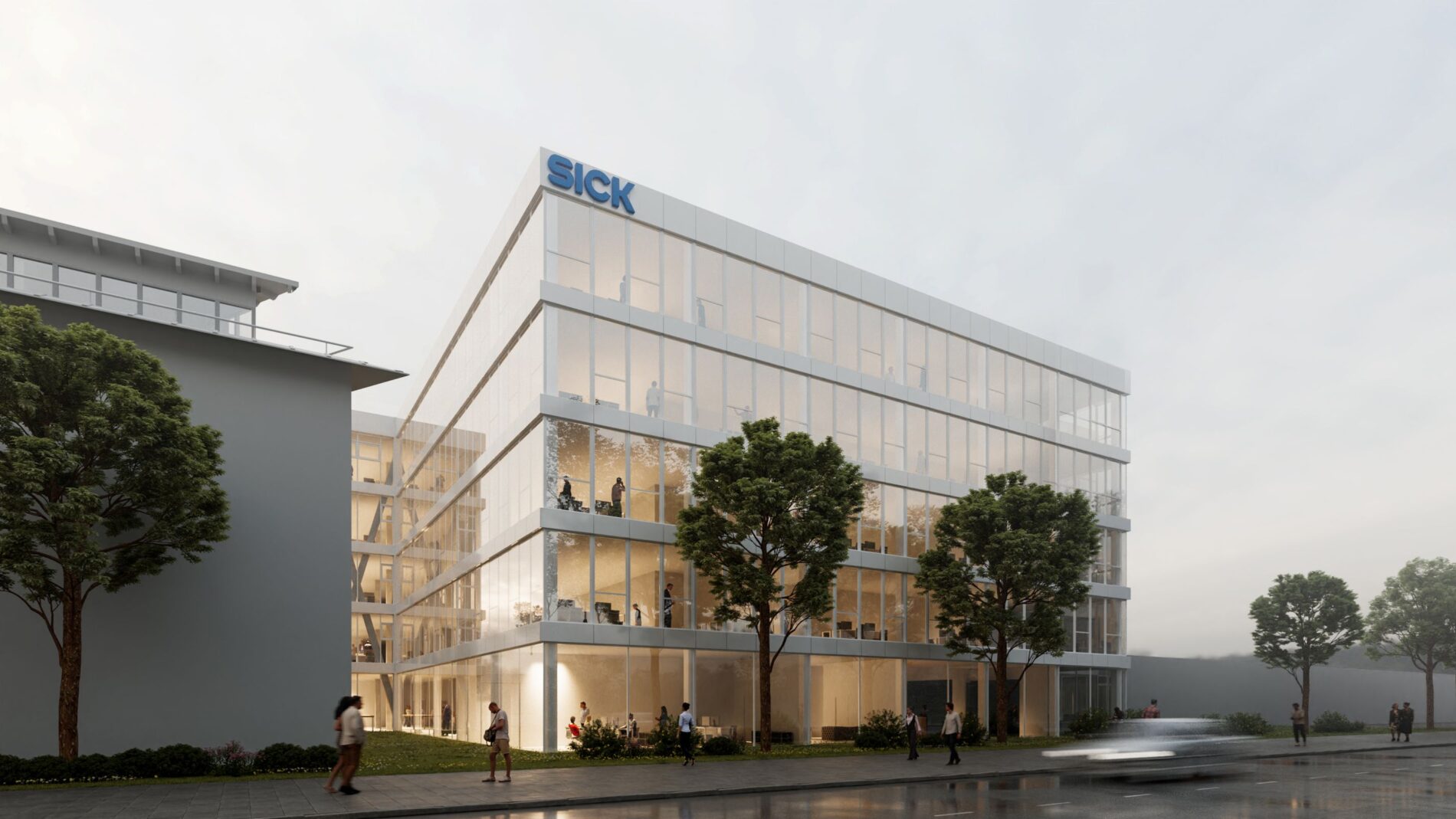
Image: ©Sick AG
The decline in operating profit was even more severe. EBIT fell by 51.4 percent to €91.9 million, while the operating margin reached only 4.37 percent. By comparison, the operating margin at measurement technology manufacturer Endress+Hauser was around 11.9 percent in 2025, despite a significant drop in profits. Gökstorp therefore sees an urgent need for action to reduce costs and improve profitability.
Criticism from the workforce and the union is growing
Resistance to the job cuts had already been building among some employees before the official announcement. Several employees warned at an IG Metall meeting in winter that cuts in highly qualified specialists could weaken the company’s prospects. One employee said at the time that measures for short-term efficiency gains were not in keeping with the company’s values; “that’s not sustainable.” Furthermore, the lack of involvement of the owning family after the death of Gisela Sick in 2024 was criticized internally.
IG Metall also reacted sharply. Norbert Göbelsmann, head of the Freiburg branch of the IG Metall union, stated that the extent of the job cuts was significantly higher than what had been mentioned in previous discussions. “Such a policy of transparency is counterproductive,” he said. At the same time, he added that while the workforce acknowledged the economic problems, they did not consider massive staff reductions a viable strategy for the future. Instead of cuts, Sick, in his view, needed new ideas and, above all, reliable job security.
Sick promises fair solutions and remains committed to South Baden
The board informed employees about the plans at events held at the South Baden locations. Gökstorp stated: “We are aware that this prospect is associated with uncertainty for many employees. Therefore, it is important for us to provide clear and transparent information about the background and the current status – even though discussions with the works council regarding South Baden are still ongoing.” According to the company, representatives of the works council were also available to answer questions at the meetings, while a socially responsible agreement has already been reached in Hamburg.
Despite the significant cuts, the company’s management emphasizes its commitment to the region. South Baden will remain the main location with headquarters in Waldkirch. Sick also points to previous investments in Waldkirch and Donaueschingen, as well as the planned expansion of production in Reute. All central functions will also be retained there. Nevertheless, the impact of the move remains considerable, because if the plans are implemented, one in ten jobs in the core region will be lost.