
In Schwäbisch Gmünd, the Bettringen district heating network is becoming a financial burden. Following a planned tariff increase, district heating prices could rise by 60 percent. At the same time, the debate surrounding a 30-million-euro budget shortfall at the municipal utility company is intensifying. (remszeitung: 17.01.26)
Schwäbisch Gmünd: 30 Million Euros and the Question of Oversight
According to sources close to the municipal utility company, 30 million euros were borrowed from the city’s cash pool. This puts the company’s financial situation in a harsh light. Citizens are concerned that this sum reflects the fact that district heating prices can no longer be explained solely by technical and operational factors, but also by the pressure on the utility company to restructure.
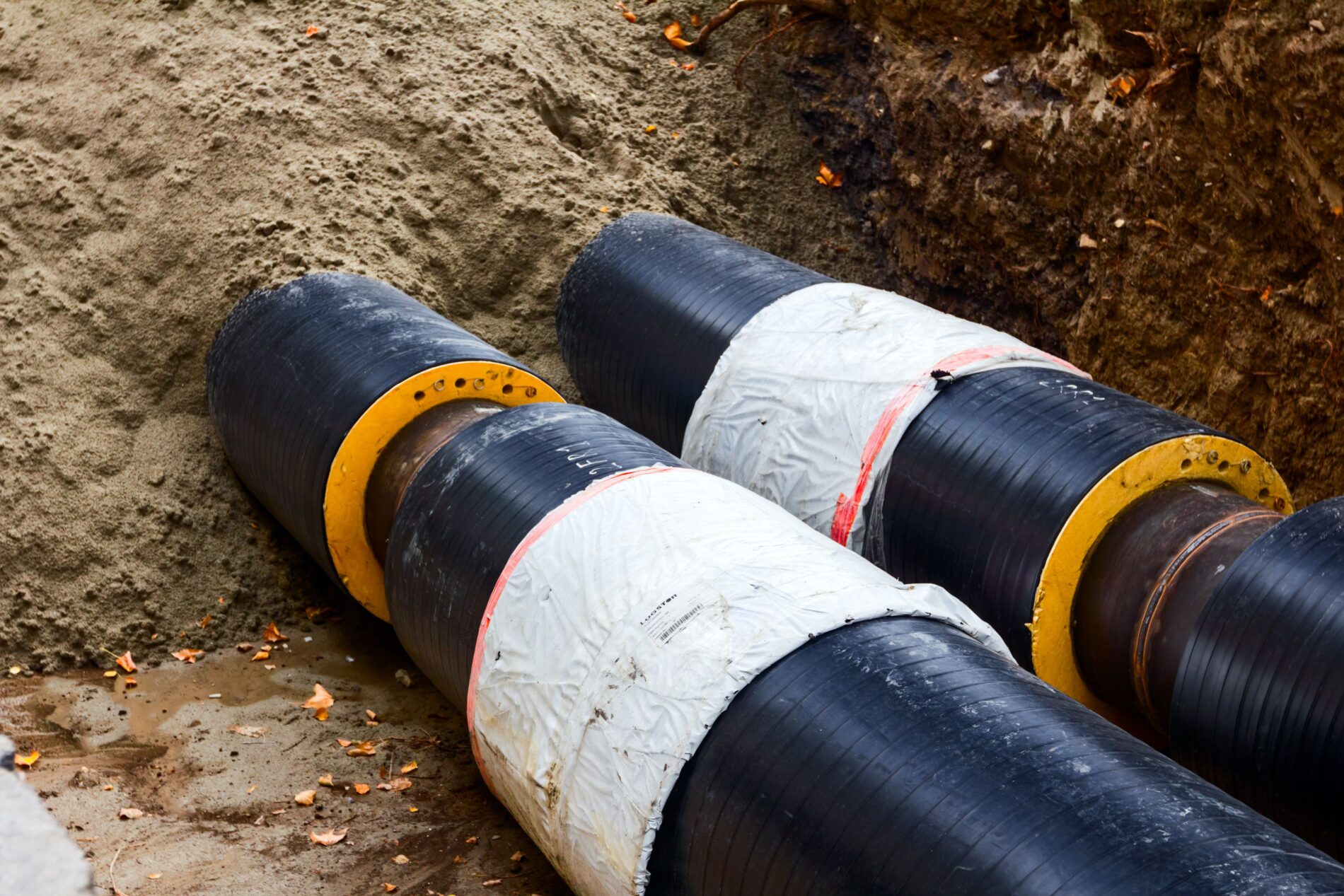
Behind the scenes, criticism is mounting as insiders speak of flawed decisions and a lack of accountability. One of them says, “The people of Schwäbisch Gmünd are being exploited and milked dry. You can see it with the Bettringen district heating network. Gas was purchased completely incorrectly there – and in the end, those who have no other option are supposed to pay for it.” This puts gas procurement in the spotlight, while the planned tariff increase is interpreted as a consequence of a risky strategy.
District heating prices and governance: Accusations against management
Another insider attacks the management, seeing structural deficiencies: “Transparency, competence, and governance – all three elements are lacking. The municipal utility has been run into the ground.” Such statements exacerbate the crisis at the municipal utility because they criticize not only the figures but also oversight, supervision, and information policy.
Mayor Richard Arnold also bears responsibility, as critics accuse him of having known about flawed planning and speculative gas purchases. This links the discussion about gas procurement with political accountability. In Schwäbisch Gmünd, the impression is growing that crucial decisions were made without sufficient transparency.
Municipal utility crisis: Doubts about the network’s profitability
Besides the management, the project itself is now under scrutiny. An insider openly questions its viability: “I really don’t know who came up with this idea – a district heating network in Bettringen East is not economically feasible.” He points to the many single-family and two-family homes, making occupancy rates the decisive factor for district heating prices and investment costs.
This gives the contract issue added weight, as experts are demanding short contract terms and strong guarantees. One insider says: “If the district heating network is indeed implemented, there should be very short-term contracts so that the municipal utility can prove it can maintain its prices. Because currently, it can’t.” Such demands aim for stable heating tariffs and are intended to protect customers from surprises due to the next price increase.
Tariff Increase and Reassessment: Piazza Has Calculations Reviewed
In the fall of 2025, the scale of the tariff increase was revealed: rates were set to rise by around 60 percent. The energy charge was slated to climb from 8.7 cents to 15.2 cents per kilowatt-hour. This would significantly impact many household budgets in Schwäbisch Gmünd.
Celestino Piazza, interim managing director of the municipal utility company, announced that the calculations from his predecessor Peter Ernst’s tenure would be reviewed. However, gas procurement remains crucial, as a rules-based energy procurement system can limit risks and thus make a further price increase less likely.
Piazza also addressed the accusation that the network is being built primarily for the benefit of Schwäbisch Gmünd’s municipal housing company (VGW), calling the claim “complete nonsense.” He stated that the VGW owns “only 73 apartments” in the area. Many residents expect reliable figures, as the municipal utility company can only regain trust through transparency, and any further tariff increases will become politically more difficult to implement. Therefore, the core question regarding the calculation of district heating prices remains open in Schwäbisch Gmünd.