
The US National Highway Traffic Safety Administration (NHTSA) is intensifying its investigation into Tesla’s “Full Self-Driving” driver assistance system in the United States, as accident data points to safety issues in low-visibility conditions. Tesla models manufactured from 2016 onward are affected. The agency is examining two versions of the system. This technical analysis marks the final stage before a potential recall due to safety concerns. The investigation stems from accidents in which cameras appeared to be impaired by glare or airborne particles, and the system failed to reliably detect this interference. This is the core risk factor, as Elon Musk relies solely on cameras as sensors for autonomous driving. The potential consequences range from software modifications and functional limitations to a recall, while simultaneously placing greater pressure on Tesla’s robotaxi strategy. (ntv: 20.03.26)
NHTSA focuses on “Full Self-Driving” and missing warnings
The agency is investigating not only individual accidents, but primarily the system’s behavior in critical situations. According to NHTSA, Tesla is supposed to recognize when cameras no longer have a clear view to ensure safety. The software should then warn drivers so they can intervene immediately. However, in several cases under investigation, this is precisely what allegedly did not happen reliably.
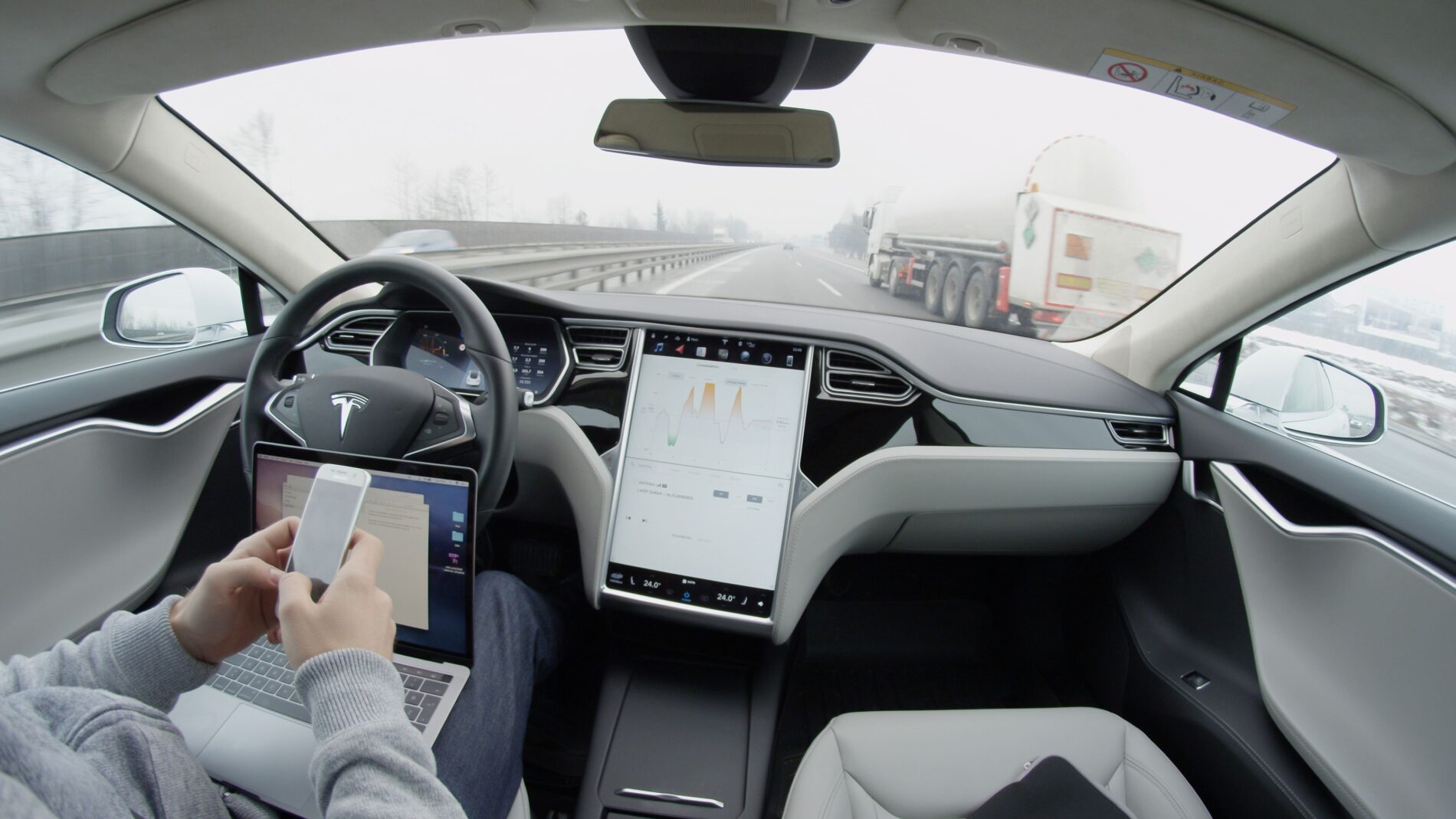
This is particularly concerning for the NHTSA because Tesla does not sell a fully autonomous system. Drivers must constantly monitor the traffic situation and be prepared to take control at any time. If a warning is missing at a risky moment, reaction time decreases significantly. This increases the risk of an accident while simultaneously reducing the safety benefit.
Tesla’s Camera Approach Makes “Full Self-Driving” a Risk for the Future
For years, Tesla has pursued a different approach than many of its competitors. Elon Musk wants vehicles to drive autonomously using only cameras, while other developers employ additional sensors. Waymo, for example, also uses laser radar, which actively scans its surroundings. While this solution could save Tesla money, this very cost advantage now conflicts with safety concerns.
The investigation also comes at a critical juncture for Tesla. The company’s sales are faltering, while Musk is convincing investors that robotaxis and robots are the future drivers of growth. If this technology fails the safety review, the consequences would be far-reaching. Not only would recalls or restrictions on affected vehicles be likely, but also renewed pressure on Tesla’s entire development strategy. At the same time, the authorities would be sending a clear signal that cameras alone are insufficient as a reliable basis for safety in challenging visibility conditions.