
Russian gas in Europe remains a geopolitical bone of contention, even though the European Union has decided to phase it out. Hungary, however, is pursuing its own course because security of supply and price stability are paramount for Budapest. Viktor Orbán is deliberately relying on Turkey to secure Hungary’s energy independence and circumvent Brussels’ regulations on gas transit. (telepolis: 13.12.25)
Russian Gas in Europe as a Power Factor
At a meeting in Istanbul, Turkish President Recep Tayyip Erdoğan assured Hungary of the continued transport of Russian gas via the TurkStream pipeline. Orbán emphasized that this commitment is crucial for the national energy supply, as approximately 7.5 billion cubic meters of natural gas from Russia reached Hungary this year alone. This amount represents almost half of all TurkStream deliveries to Europe, meaning that Russian gas continues to play a significant role in Europe.
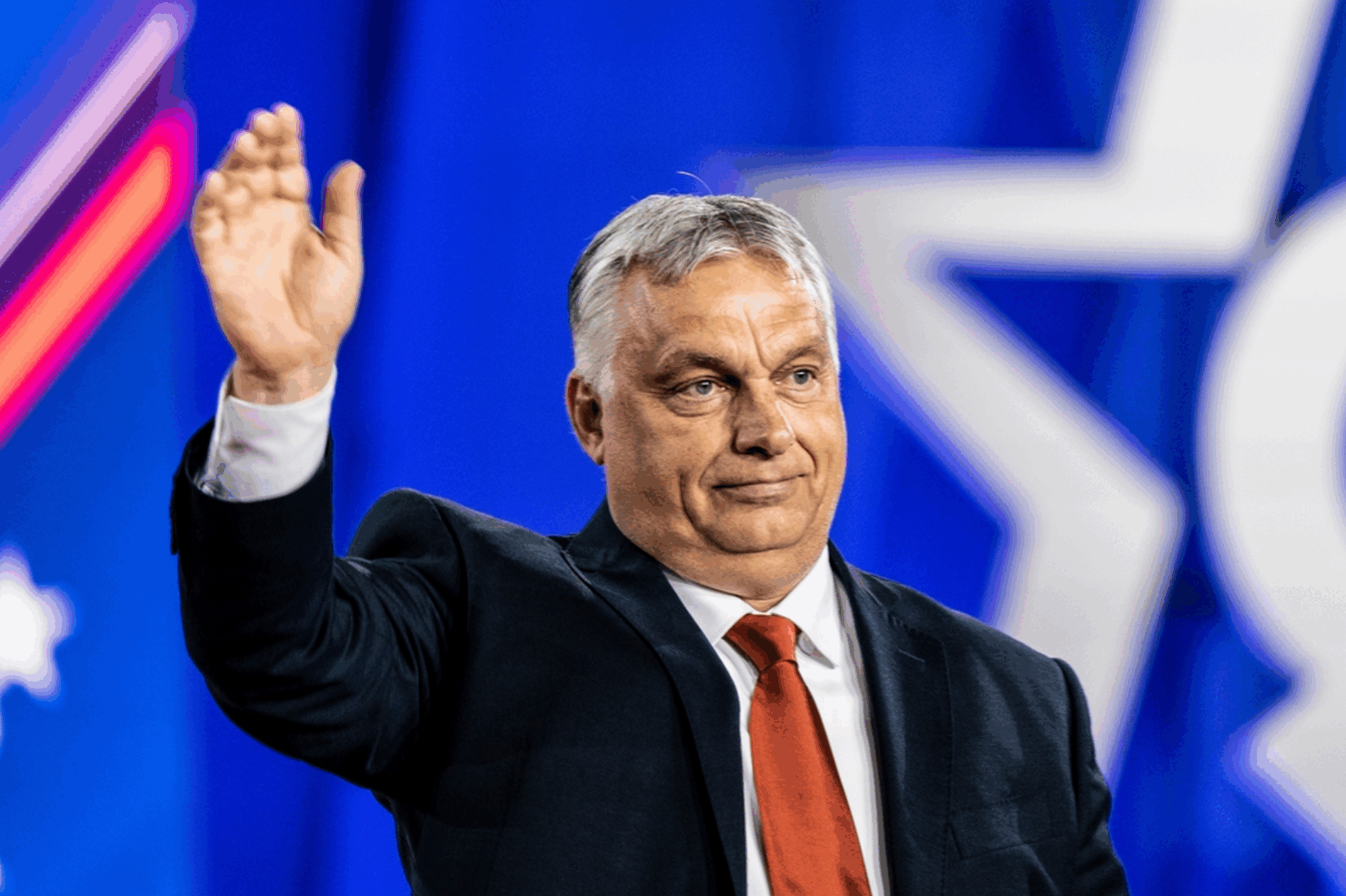
At the same time, Orbán emphasized that alternative sources of supply were not available in the short term and that a stable supply route via gas transit through Turkey therefore remained indispensable. Hungary is thus openly opposing the planned EU withdrawal, while other member states are supporting the course set by Brussels.
Hungary’s Energy Policy Between Washington and Ankara
Parallel to the talks in Turkey, Orbán referred to agreements with the US intended to protect Hungary from sanctions related to Russian oil and gas deliveries. After a meeting with the then-US President, he stated that Hungary had received a comprehensive exemption for TurkStream and the Druzhba pipeline. This commitment significantly strengthens Hungary’s energy policy because it provides planning certainty.
Washington is pursuing its own interests in this matter. While strict regulations apply to oil, the operation of the pipeline has so far been exempt from punitive measures. This distinction demonstrates that EU sanctions on energy policy are not universally enforceable when geopolitical considerations prevail.
Low Prices as a Key Political Argument
Orbán announced that Hungary would continue to secure the lowest energy prices in Europe because it does not submit to ideological dictates. Foreign Minister Péter Szijjártó rejected reports of alleged temporary exemptions, calling them deliberate attempts to mislead. In fact, the US agency OFAC granted a special permit for oil deliveries via the Druzhba pipeline until 2026.
This situation underscores that while Russian gas is politically controversial in Europe, it remains economically essential. Price stability remains crucial for Hungary, while energy independence is considered a competitive advantage.
EU Sanctions Policy and Legal Resistance
The latest EU sanctions package includes a ban on Russian LNG imports starting in 2027, and pipeline gas is to be phased out by the end of 2027 at the latest. Budapest has announced legal action in response, arguing that an import ban would create new dependencies. Szijjártó warned of monopolistic structures that could lead to rising electricity and heating costs.
From a Hungarian perspective, EU sanctions on energy policy not only jeopardize supply but also social stability. Therefore, the government is pursuing a confrontational approach with Brussels while simultaneously safeguarding existing supply chains.
Pipeline Relocation to Budapest as a Signal
To minimize risks, the operator of the TurkStream pipeline is relocating its headquarters from the Netherlands to Hungary. This follows the seizure of assets by a court in Amsterdam after a lawsuit filed by a Ukrainian company. Hungary aims to secure the pipeline’s long-term operation by moving to Budapest.
Szijjártó explained that payment processing would not be affected thanks to US exemptions, and that the continuous flow of gas would remain guaranteed. This strengthens Hungary’s role as a transit country and signals that European energy supply decisions are not solely made in Brussels.
Geopolitical Deals Instead of Complete Decoupling
In parallel, Russia expanded the circle of banks authorized to process payments for gas imports to secure deliveries until 2026. Here, too, exemptions apply, demonstrating that a complete break is unrealistic. In effect, Russian gas remains a part of the European energy market, even if political rhetoric suggests otherwise.
Hungary is consistently exploiting these loopholes. Between Washington, Moscow, and Ankara, Budapest is positioning itself as a pragmatic player seeking economic advantages. This case demonstrates that energy policy realities often have a stronger influence than political decisions.