
Rostock is mired in a deep budget crisis that has been looming for some time. The city is now securing its employees’ salaries through short-term borrowing, as cost increases in several areas are spiraling out of control. The city administration describes this as an extraordinary step, but the situation stems from years of neglecting key budget decisions. Wages are the primary concern, while the city’s financial distress becomes increasingly apparent. (welt: 20.11.25)
Problems that have developed over years
The budget crisis is worsening because the budget has hardly any sustainable reserves left. The city administration is only hesitantly adapting its structures, even though forecasts have been pointing downwards for a long time. Numerous expenditures are increasing, and the latest cost hike confirms this trend. Employees are waiting for their salaries, but the municipal authority is only now taking decisive action. This is creating a risky mix of time pressure and increasing dependence on external funding.
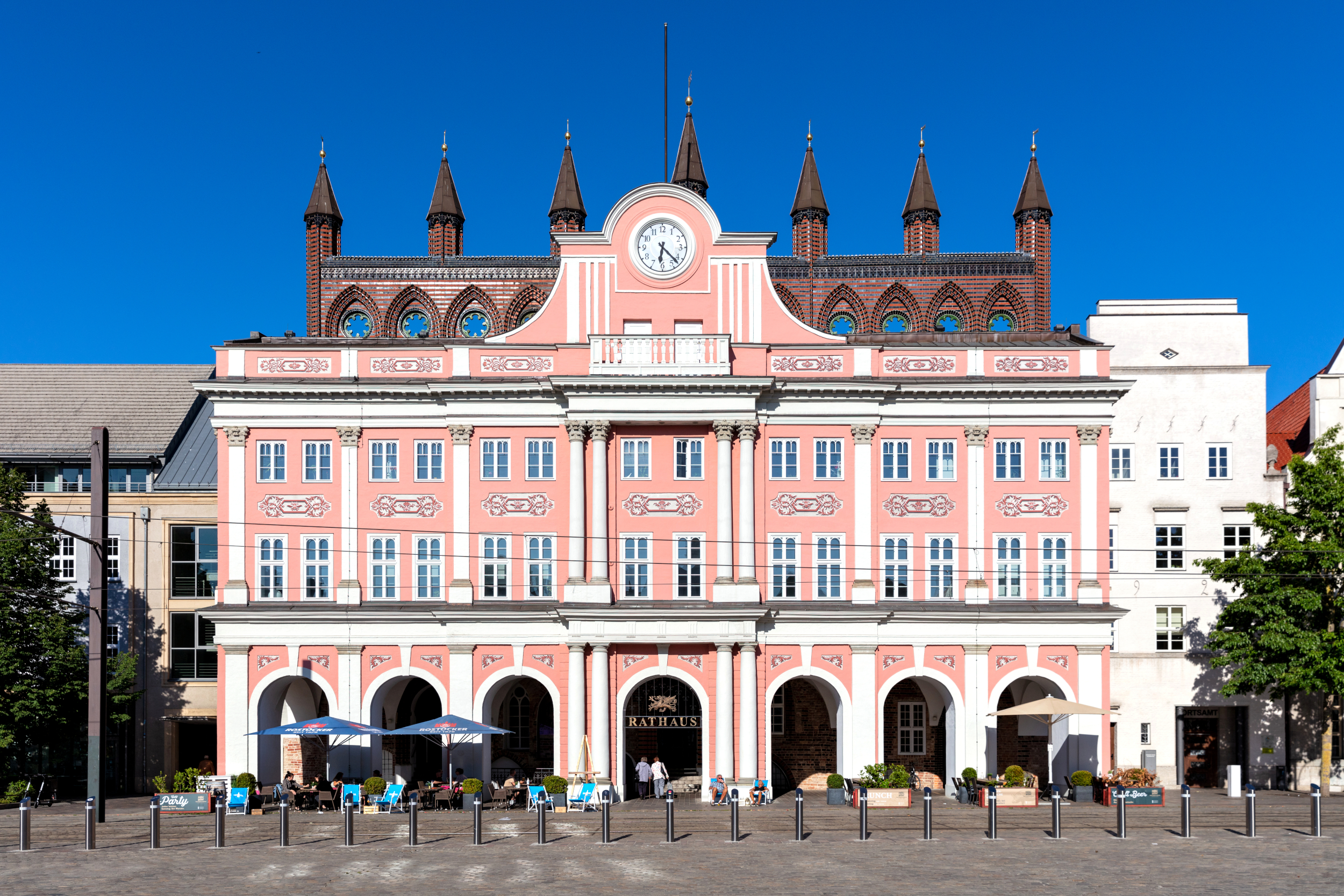
The approval of an eleven million euro loan demonstrates the growing financial distress. The sum covers only current salaries, not structural deficits. The loan serves as an emergency measure, as revenues are barely keeping pace. This reality reflects a long process of misplaced priorities.
Emergency Loan Does Not Replace Long-Term Planning
The current loan secures short-term solvency but does not replace an effective stabilization strategy. At the same time, rents, utility costs, and personnel expenses continue to rise. This cost increase is straining the budget without any visible countermeasures. The city administration is postponing problems, even as its room for maneuver diminishes. Wages will be at risk again as soon as new cash flow problems arise.
At the heart of the matter is a growing dependence on external financing. The city is relying on the loan, but such a step does not address the root causes; it merely postpones them. The budget crisis persists because the course remains unchanged despite all warnings. The municipal authority is losing its ability to act, while the next round of cuts is inevitably approaching.
A Municipal Problem with Nationwide Dimensions
Numerous German municipalities are struggling with similar deficits, but Rostock is particularly hard hit. The financial distress is evident in the fact that a loan is needed simply to pay salaries. The national trend is exacerbating the pressure. Many cities are reporting rising expenditures and stagnant revenues. These developments are intensifying the budget crisis and forcing administrations to take measures that were previously unthinkable.
The ongoing cost increases are hitting Rostock at a time when reserves are already scarce. The city administration is caught in a cycle of loans, rising expenditures, and decreasing flexibility. Borrowing threatens to become a permanent fixture unless fundamental reforms are implemented.
Reforms urgently needed – otherwise everything will remain piecemeal
The city is walking a tightrope. Without fundamental changes to its spending structure, revenue streams, and administrative processes, Rostock will permanently lose control of its budget. The municipal authority must now redefine its priorities, as securing its financial future is virtually impossible otherwise. Employees’ wages continue to depend on decisions that are made too late and too rarely designed for the long term.
A viable way out of the financial crisis requires those in charge to break with old patterns. Only in this way can the vicious cycle of rising costs and new loans be broken. The city needs a clear strategy before the next crisis arises and salaries once again become the focus.