
Consumers are gaining more rights regarding broken smartphones or washing machines. Households will receive less money for electricity generated by new photovoltaic (PV) systems. Additionally, companies are required to label content created using artificial intelligence (AI). August brings several changes:
Right to Repair
Previously, consumers were only entitled to repairs under the two-year statutory warranty. Now, for many appliances—such as smartphones, washing machines, and refrigerators—manufacturers must carry out repairs free of charge or at a reasonable price even after that period has expired. Furthermore, if a defective product is repaired within the warranty period, that period is extended by twelve months to a total of three years; this applies to purchase contracts concluded from the end of July onwards.
Right to all-day care for primary school-age children
A legal entitlement to all-day care is being introduced for children in grades one through four, allowing families to claim up to eight hours of care on five working days—either in an after-school center or through a school-based all-day program. The entitlement takes effect for first-graders on August 1 and will subsequently be expanded in stages. By the 2029/30 school year, the right to all-day care is set to apply to all primary school-age children.
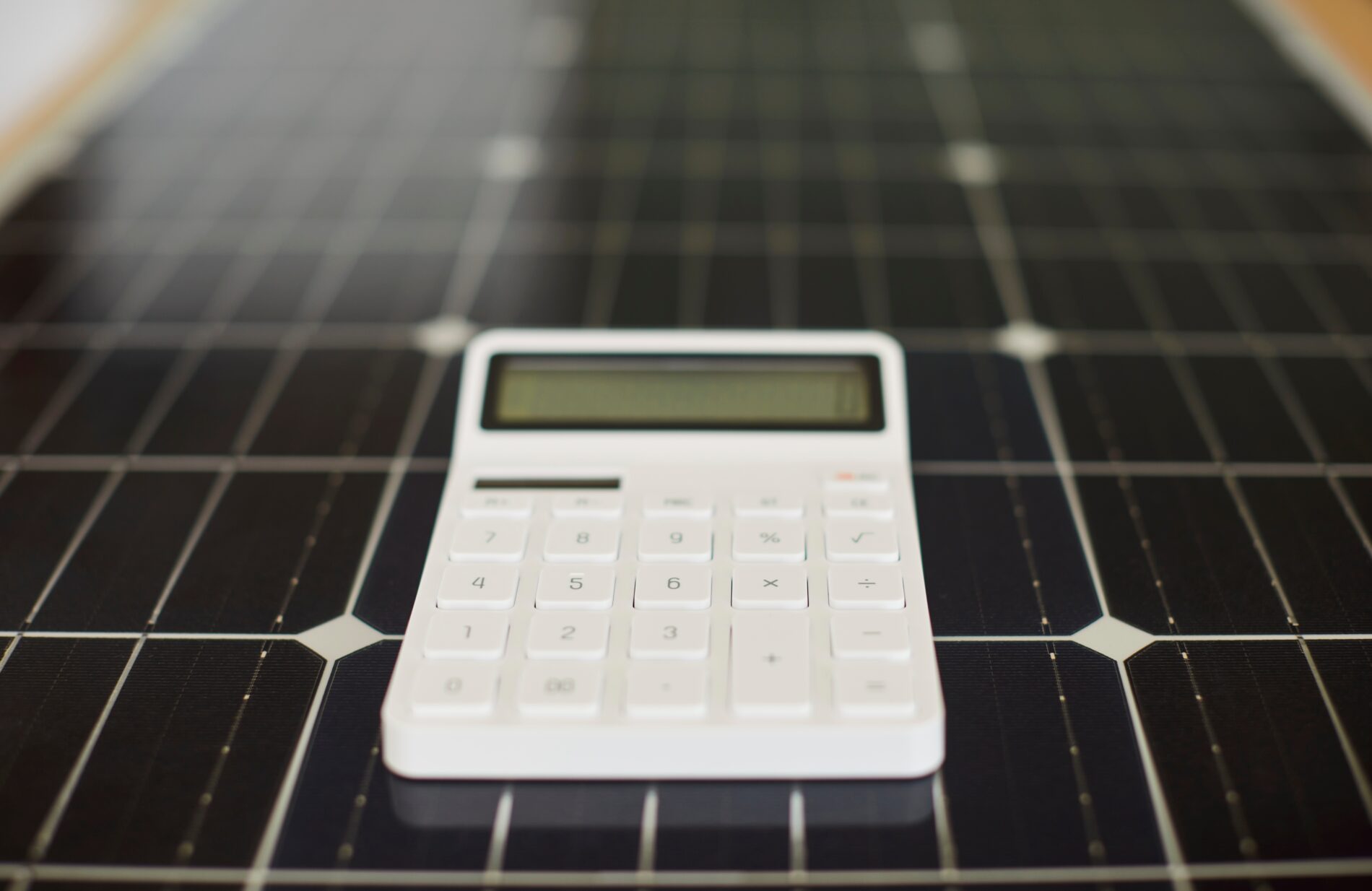
Image: Shutterstock
Lower Rates for Solar Power
As of August 1, the government-mandated feed-in tariff for new residential PV systems is dropping once again. The rate is normally reduced by one percent every six months. It currently stands at 7.78 cents per kilowatt-hour for systems with an output of between 10 and 40 kilowatts. From August onwards, it will be around 7.70 cents per kilowatt-hour. This change does not affect those who already operate a system; the feed-in tariff applies for a period of 20 years.
Labeling AI-Generated Content
Starting August 2, companies must label certain types of content—such as videos, images, or text—if they were created using artificial intelligence. The EU’s AI Act stipulates that consumers must be able to recognize when they are interacting with AI, for instance, during a conversation with a customer support chatbot. According to the European Consumer Centre Germany, companies face potential penalties of “up to 35 million euros or seven percent of their total worldwide annual turnover” for non-compliance.
Reduced Subsidies for Heating System Replacement
Homeowners replacing an old heating system—for instance, with a heat pump—will now often receive less financial support. New conditions, adopted by the federal government on short notice in early July, have been in effect since July 21. Among other changes, the so-called “climate speed bonus” for owner-occupiers—previously 20 percent—has dropped to 16 percent. Additionally, the cap on eligible costs is now lower than before.
Author: AFP – oer/pe – Translated byn Blackout News
Source: AFP Press Portal