
At the CERAWeek energy conference in Houston on Monday evening (German time), German Federal Minister for Economic Affairs Katherina Reiche openly questioned the EU’s 2050 climate targets, sparking a new energy policy debate. The CDU politician criticized rigid climate neutrality targets, arguing that they jeopardize affordable energy, security of supply, and thus the survival of energy-intensive industries in Germany and Europe. She cited the potential loss of these sectors as a crucial risk factor, while simultaneously warning against relying almost exclusively on wind and solar power for energy production. Reiche advocated instead for increased gas production, new gas-fired power plants, LNG infrastructure, domestic production, and greater openness to nuclear technology. (welt: 24.03.26)
Reiche believes EU climate targets are too rigid for Germany’s industrial base
Reiche clarified that she does not fundamentally reject either sustainability or climate protection. However, she criticized the political rigidity of the European targets and demanded greater flexibility by 2050. Europe must allow for different technologies, and in her view, it would be acceptable if a gap of five to ten percent remained at the end.
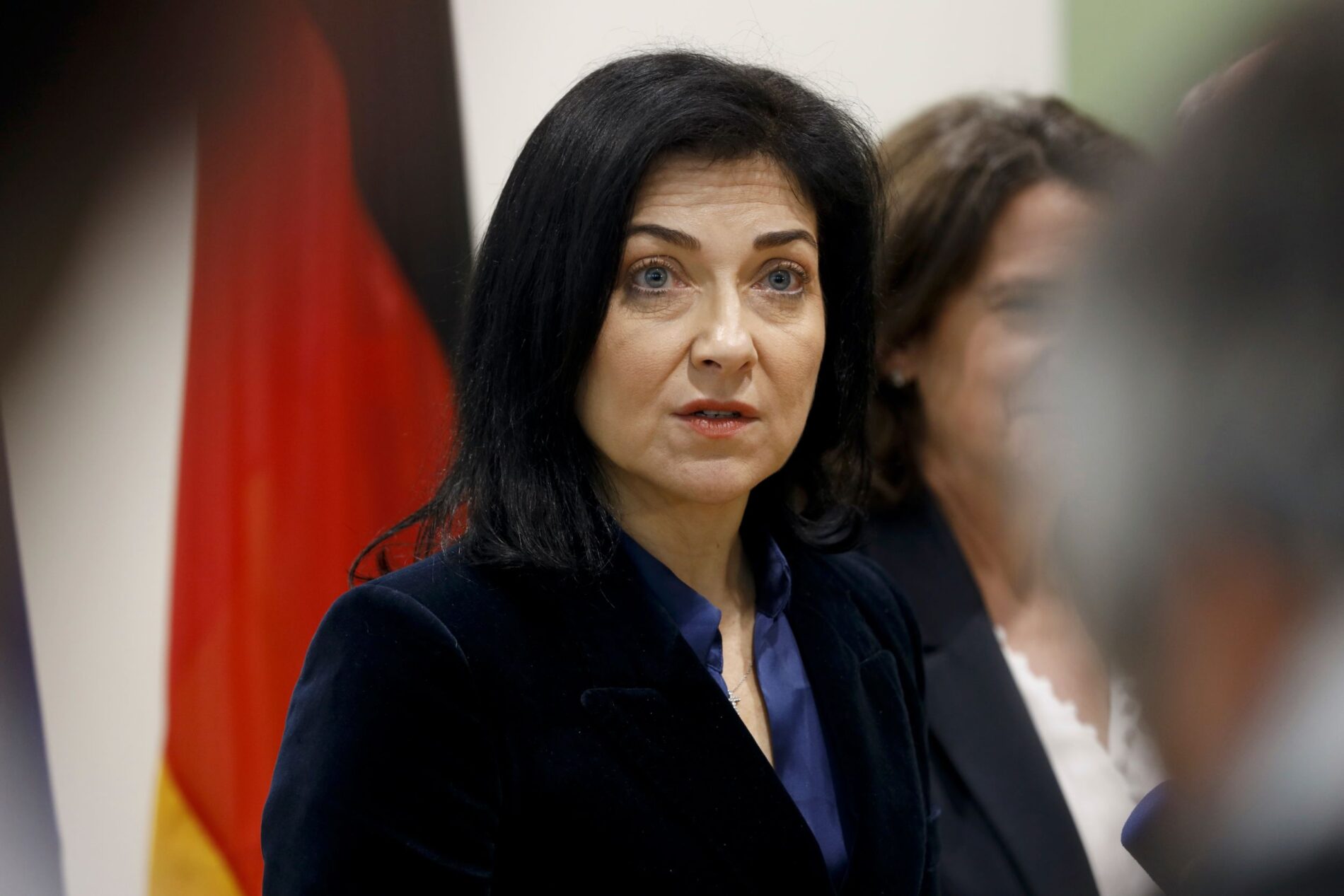
At the heart of her criticism are the consequences for businesses. Reiche argued that EU climate targets miss their mark if they don’t adequately consider available and affordable energy. She stated, “If you have strict and rigid targets, you shackle yourself, and in the end, you lose industries you need, industries that are energy-intensive.” She also made it clear that Europe and Germany could not afford to lose such industries.
Reiche focuses on gas, LNG, and security of supply in Houston
Her criticism of a one-sided electricity strategy was particularly pointed. Reiche said it was “naive” to base future energy supply solely on wind and solar technology. This intensified the debate about the future energy mix, as her statements openly challenge the current priorities in German climate policy.
In line with this, the minister promoted her power plant strategy. According to her, tenders for twelve gigawatts of gas-fired power plant capacity are expected to be issued this year, with an additional 25 gigawatts potentially following between 2027 and 2029. She also advocated for investments in LNG infrastructure so that Germany does not have to rely solely on storage. Therefore, she has asked companies like Uniper and Sefe to conclude long-term LNG contracts worldwide and diversify their portfolios.
More domestic gas and a new openness to nuclear technologies
In Houston, Reiche went even further, advocating for increased gas production in Germany. She pointed to a North Sea gas field that is currently slated for development, but considers this stance misguided. She stated, “We have a gas field in the North Sea that we don’t want to develop.” While acknowledging that conflicts are possible, she believes that solvable conflicts are preferable to dependencies.
Reiche also set new priorities regarding nuclear energy. She spoke in favor of both nuclear fusion and modern nuclear fission technologies such as Small Modular Reactors (SMRs). In doing so, she outlined a significantly broader technological approach, while emphasizing that the EU’s climate targets must not lead to economic self-imposed constraints. She stated, “I am also very much in favor of returning to nuclear technologies.” Furthermore, she called for a serious examination of SMR technologies and their functionality.