
Regional rail transport in Germany faces the threat of massive service cuts. State transport ministers are warning that thousands of train connections could be lost due to a significant rise in the costs of using the rail network. Deutsche Bahn plans to increase track access charges for regional services by 7.7 percent in 2027. At the same time, the federal states lack sufficient funding from the central government to cover these additional costs. Schleswig-Holstein has already reduced its service offerings. Unless the financing model is changed, there is a risk of further train cancellations, poorer connections, and disruptions for millions of commuters.
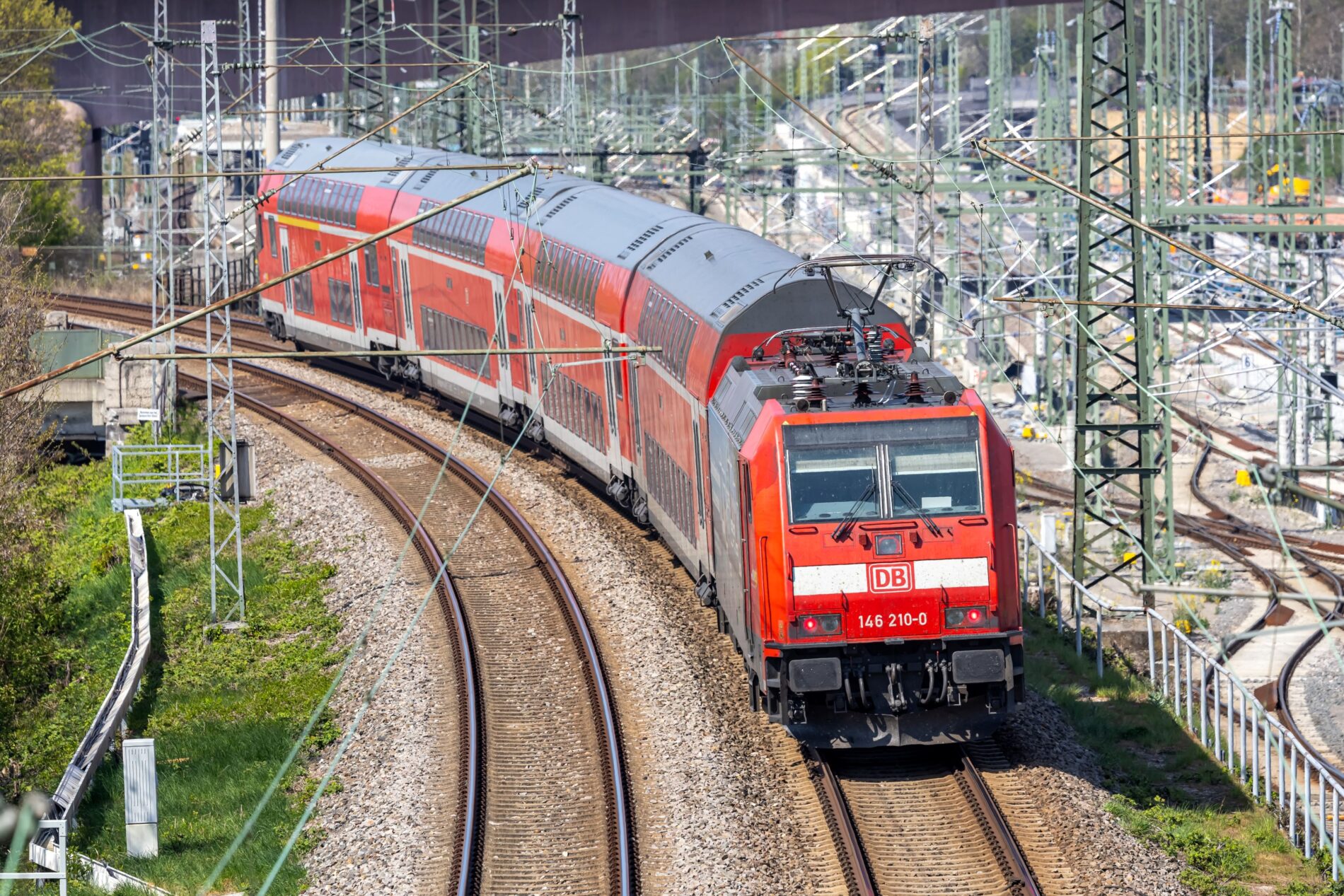
Image: Shutterstock
Regional rail transport is becoming increasingly expensive due to rising track access charges
DB InfraGO charges railway companies fees for the use of its rail infrastructure. These track access charges cover, among other things, the costs of operation and maintenance. However, these fees are rising significantly faster than the funds available to many regional transport authorities. Consequently, for 2027, DB InfraGO has proposed an average price increase of 7.9 percent across all types of rail traffic. For regional rail services, the fees are set to rise by 7.7 percent. Further cost burdens are also anticipated for 2028.
This is partly due to a ruling by the European Court of Justice in March 2026, which declared the existing German “track access charge brake” for regional passenger rail services to be incompatible with EU law. As a result, the Federal Network Agency (Bundesnetzagentur) was required to reset the charges for 2026. Fees for regional trains increased by approximately nine percent compared to the rates originally approved, creating an additional financial burden of around 400 million euros. At the same time, long-distance passenger services and rail freight transport saw a reduction in their charges.
Initial train services already cut – Bavaria warns of further reductions
Schleswig-Holstein has already taken action, reducing its rail service offerings by 1.5 percent. Consequently, the state’s Minister of Transport, Claus Ruhe Madsen, is calling for a fundamental reform of the financing model. He proposes that infrastructure-related investment costs should be covered directly by the federal budget in the future. Currently, the states bear a significant portion of the rising costs through the procurement of transport services—a situation that could lead to further cuts.
Bavaria’s Minister of Transport, Christian Bernreiter, also warns that the financial situation is set to worsen. By 2027, the states will face cost increases of approximately eight percent, and Bernreiter anticipates significant difficulties for Bavaria as well from 2028 onwards. This trend is particularly critical for rural regions with few alternative transport options; the loss of regional train services would mean longer journeys to work, school, and essential services.
Billions in funding gaps – Federal government leaves financing unresolved
The financial shortfall was already apparent before the recent hike in track access charges. A joint federal-state commission estimated the additional funding required by 2031 to be around 14 billion euros—a figure that did not even account for the new financial burdens resulting from a European Court of Justice ruling. Despite this, a sustainable, long-term financing solution remains elusive. The states are therefore demanding an increase in regional transport subsidies and a reform of the system for charging track access fees.
The current political situation reveals a fundamental contradiction: while the federal government aims to shift more traffic onto the railways, the existing financing system actually makes the day-to-day operation of rail services more expensive. Multi-billion-euro investments in infrastructure offer little benefit to passengers if, subsequently, there is no funding left to procure the actual train services. Consequently, simply building new tracks and modernizing railway stations is not enough. Even a reliable roadmap must remain sustainably affordable.
Commuters pay the price for unresolved funding issues
The Conference of Transport Ministers, taking place on October 21 and 22 in Hohenschwangau, is set to revisit this conflict. At the heart of the discussion is the federal government’s responsibility for funding rail infrastructure. Furthermore, transport associations and the Federal Association for Regional Rail Transport (Bundesverband SchienenNahverkehr) have initiated legal action regarding track access charges. However, legal proceedings alone cannot provide long-term funding security.
For passengers, this threatens to result in tangible service deterioration. Fewer train services mean longer wait times, poorer connection options, and an increased burden on road traffic. Commuters living outside of major metropolitan areas, in particular, would be hit hard by further cuts. As long as the federal and state governments fail to reach an agreement on funding, even the maintenance of existing services remains uncertain. In doing so, transport policy risks undermining its own objective: to encourage greater use of the railway network.
Author: Blackout News
Sources: Bild (17.10.26) – Welt (18.10.26) – t-online (17.10.26)