
Volkswagen and Cupra are initiating a worldwide recall of approximately 94,000 electric vehicles because battery modules in the high-voltage battery do not meet specifications. For VW, the recall affects the ID.3, ID.4, ID.5, and ID.Buzz models produced between June 24, 2023, and August 23, 2024. Cupra is also recalling the Born model manufactured between February 7, 2022, and April 21, 2024. Potential consequences range from a yellow warning light to reduced driving range. In the most serious cases, there is an acute risk of fire. Around 28,000 vehicles are affected in Germany. Workshops will perform a software update and simultaneously inspect the battery. If necessary, individual battery modules will be replaced. (handelsblatt: 24.03.26)
What the recall means for owners
For owners, the recall begins with a service appointment, the scope of which can vary depending on the vehicle. First, the workshops will update the software and check the condition of the high-voltage battery. Only then will it be determined whether the intervention is limited to a technical inspection or whether individual battery modules need to be replaced.
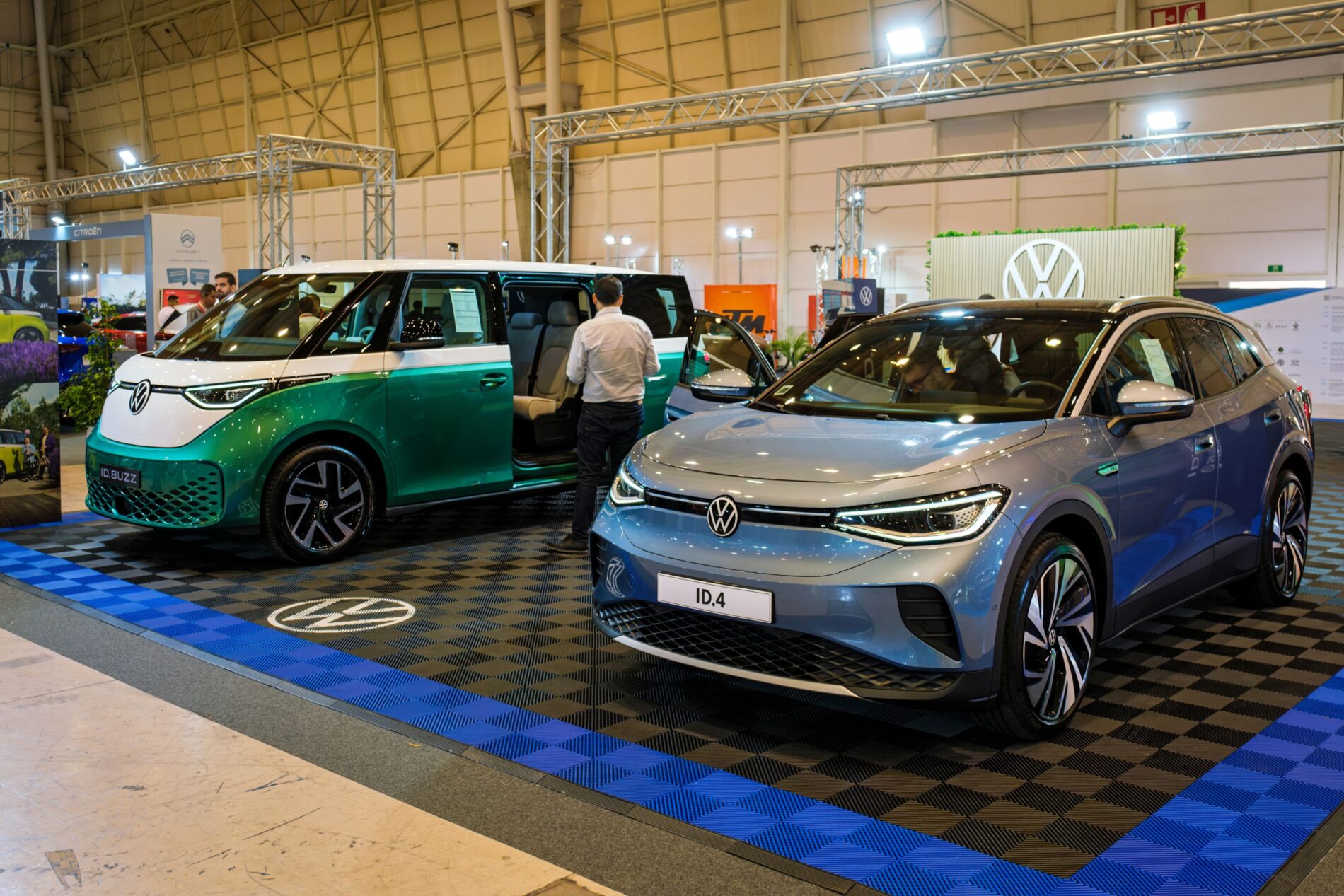
For owners, this is more than just a routine service. The recall doesn’t just affect comfort or electronics, but a safety-relevant part of the vehicle. Therefore, drivers of affected models should not delay the notification, even if their car is currently running smoothly.
Why the battery problem is so critical
The case is particularly sensitive because deviations in the high-voltage battery are especially problematic in electric cars. Even a single faulty module can strain the system, while warning messages in the cockpit are often only the first visible indication of a deeper, more serious issue. A decrease in range can point to faulty battery modules that are impairing the high-voltage battery’s performance.
However, the potential safety risk is even more significant. When a manufacturer intervenes due to a potential fire hazard, the process is not merely a precautionary measure. While no damage to property or personal injury has been reported so far, the very fact that this preventative intervention underscores the technical implications of the problem.
Recall Exposes Weakness in Modern Electric Vehicle Technology
This incident clearly demonstrates how heavily modern electric cars depend on the quality of individual battery components. Faults in the high-voltage battery are not limited to minor defects but can significantly impact range, operational reliability, and repair costs. This is precisely why the recall comes at a time when the reliability of electric powertrains is a key criterion for many buyers.
For Volkswagen and Cupra, this is not just about technically rectifying a defect. Equally crucial is how quickly and smoothly the affected vehicles are inspected. The more thoroughly the recall is handled, the sooner a battery problem can be prevented from causing major reputational damage to the company’s electric mobility strategy.