
Berlin is considered to have a reliable power supply, yet a local power outage there can last for several days. This experience shatters the convenient assumption that technology always guarantees immediate help. In a real emergency, it’s not the often-cited average power outage duration of just over 11 minutes that matters, but rather the exceptional circumstances. In such an exceptional situation, your own preparedness determines the options available to you at home.
Self-preparedness begins where infrastructure ends
A power outage lasting several days first affects the invisible, because behind the lights and heat lie control systems, pumps, and communication networks. Berlin continues to function, but the affected area becomes isolated. Those who then rely on widespread support often wait too long because emergency services have to prioritize, and this becomes even more critical when larger areas are affected.
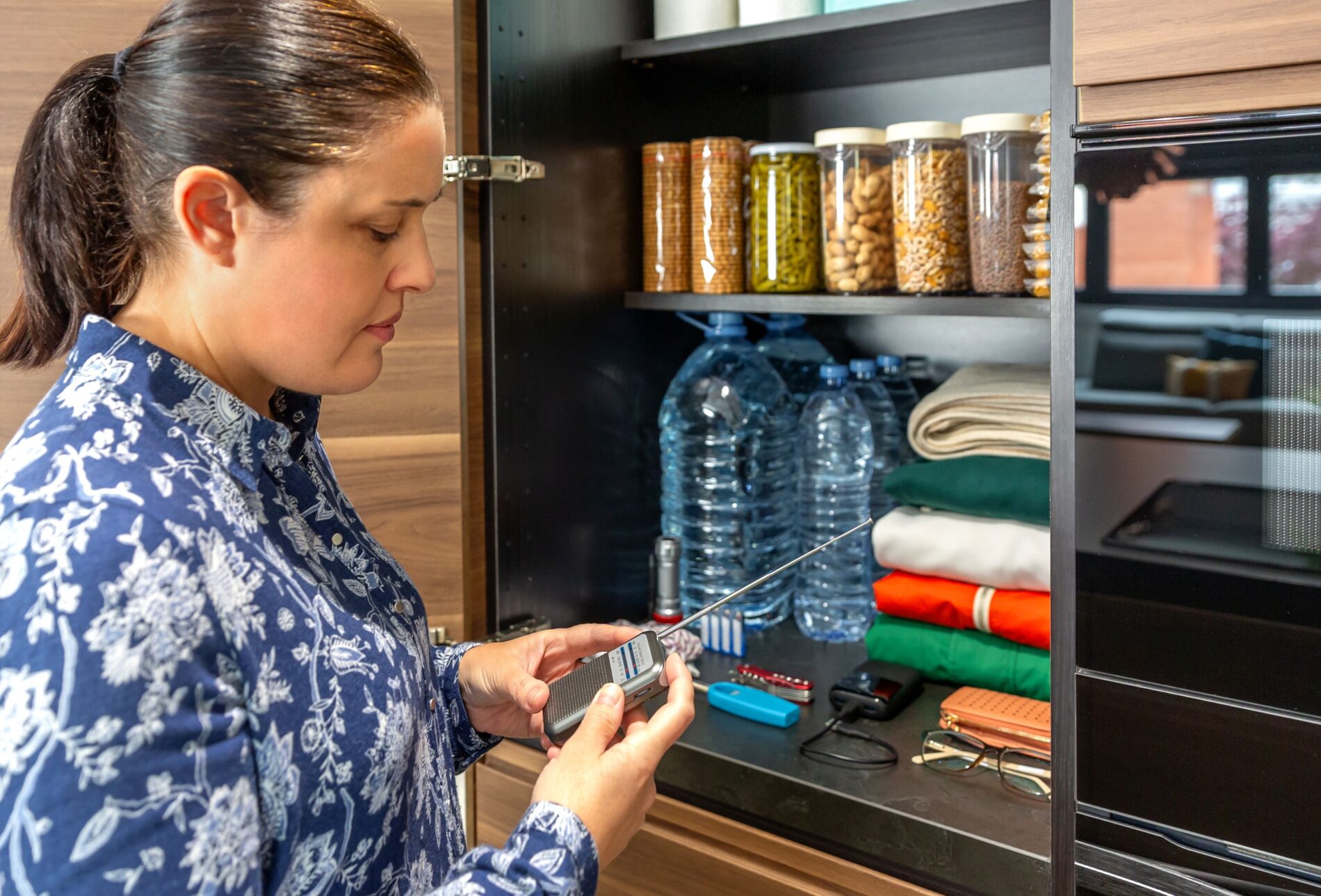
This leads to a sobering conclusion, which can be readily explained by the current situation in Berlin: The state is organizing crisis management and protective measures, while households still have to manage without electricity, heating, and routine. Help is coming, but it’s not in the form of a replacement for everyday life. Individual households can bridge this gap through self-preparation.
Cash and supplies ensure daily life when systems fail
Cash suddenly becomes essential because card terminals require electricity and a functioning internet connection. Modern point-of-sale systems often cannot process payments without a connection. ATMs also fail, and it’s no longer easy to get change. Those who can still shop often have to pay in cash, which is why self-preparation should include a cash reserve in small denominations.
Food becomes a concern because supermarkets depend on continuous deliveries and functioning refrigeration. Shelves empty quickly, and supplies fail to arrive when logistics, cash registers, and storage systems all stop working simultaneously. Therefore, it’s advisable to have supplies that don’t require refrigeration and can be rotated throughout the day, so that your self-preparedness doesn’t end with forgotten canned goods.
Water and hygiene are crucial sooner than many realize
Drinking water seems like a given, but in many areas, the supply depends on electricity because pumps, pressure maintenance, and treatment are all technical systems. If this chain fails, the pressure drops or the supply cuts off locally. You don’t necessarily notice it immediately in your home, as reservoirs can continue to supply for a while, but once they run dry, the water stops flowing. That’s why water is paramount in self-preparedness.
Hygiene also becomes a practical problem because toilets and sometimes even wastewater systems don’t function reliably, and germs don’t discriminate based on location. A simple supply of hygiene products, sturdy bags, buckets, and disinfectant stabilizes your household, while improvised solutions without a plan quickly fail.
Information remains available only if a channel operates independently
Without electricity, digital communication channels quickly fall silent, as routers fail and mobile network coverage becomes limited once cell towers lose power or capacity is overloaded. A battery-powered or hand-crank radio can then continue to provide reliable information, while apps, messaging apps, and websites become inaccessible. Therefore, a suitable radio is essential for self-preparedness, not as a retro gadget, but as a redundant communication channel.
A plan for your own communication is still crucial, because while cell phones have batteries, they can no longer establish connections. Agree on fixed meeting points and times with your family for such an emergency. Self-preparedness here means structure instead of constant stress.
Cooking without electricity works if the logic remains simple
Hot drinks and simple meals support circulation and concentration, while a cold home increases stress. Supplies like legumes, rice, pasta, and potatoes can be stored compactly, but they need to be cooked before consumption. However, the electric stove fails as soon as the power goes out. A safe and reliable cooking method therefore provides independence, provided fuel, ventilation, and operation are clearly regulated. Compact camping stoves or even a grill that you might already own are suitable for this purpose.
At the same time, a smart food storage strategy pays off, because not every meal needs to be cooked. Cold foods, quick-cooking products, and simple preparation reduce water and energy consumption, making self-sufficiency realistic even over extended periods. Those who over-plan often fail in practice.
Light, heat, medicine – the hidden risks of the first few days
Lighting quickly becomes a safety concern because dark stairwells and improvised candle solutions increase the risk of accidents. Headlamps, flashlights, and spare batteries provide control, while open flames increase risks. With a few simple steps, self-preparation becomes accident prevention.
Heating is often lost indirectly because heating systems require power for operation or circulation pumps stop working. A room-by-room strategy helps, as it’s easier to keep a few rooms warm than the entire apartment. Blankets, sleeping bags, and clear priorities provide stability and cost less than emergency technical solutions.
Finally, medications and first aid act as a critical buffer because pharmacies may be closed, and doctors can’t prescribe medication without electricity. A sensible supply and a complete first-aid kit reduce dependencies, while small problems can otherwise escalate. This, too, is the essence of self-preparation: minimizing risks before they escalate.
Berlin demonstrates what every household can learn
Berlin shows that even in a highly developed infrastructure, a power outage can last for several days without warning in everyday life. Therefore, the crucial factor is not hoping for a quick return to normalcy, but rather the ability to manage an exceptional situation in an orderly manner. Self-provision is not alarmism, but a necessary standard for both urban and rural areas. (KOB)