
The new poverty statistics paint a stark picture, as poverty continues to spread. In Germany, around 13.3 million people were considered at risk of poverty in 2025. This corresponds to 16.1 percent of the population. In 2024, the figure was 15.5 percent. The figures come from data on income and living conditions provided by the Federal Statistical Office in Wiesbaden. They therefore show not just a snapshot, but a noticeable increase compared to the previous year. (zdf: 03.02.26)
This is how poverty is measured – and these incomes are considered the threshold
The at-risk-of-poverty threshold is crucial because it is based on the median income. Anyone earning less than 60 percent of the median income is considered at risk of poverty. For single people, the net threshold in 2025 was €1,446 per month. For a household with two adults and two children under 14, it was €3,036 net.
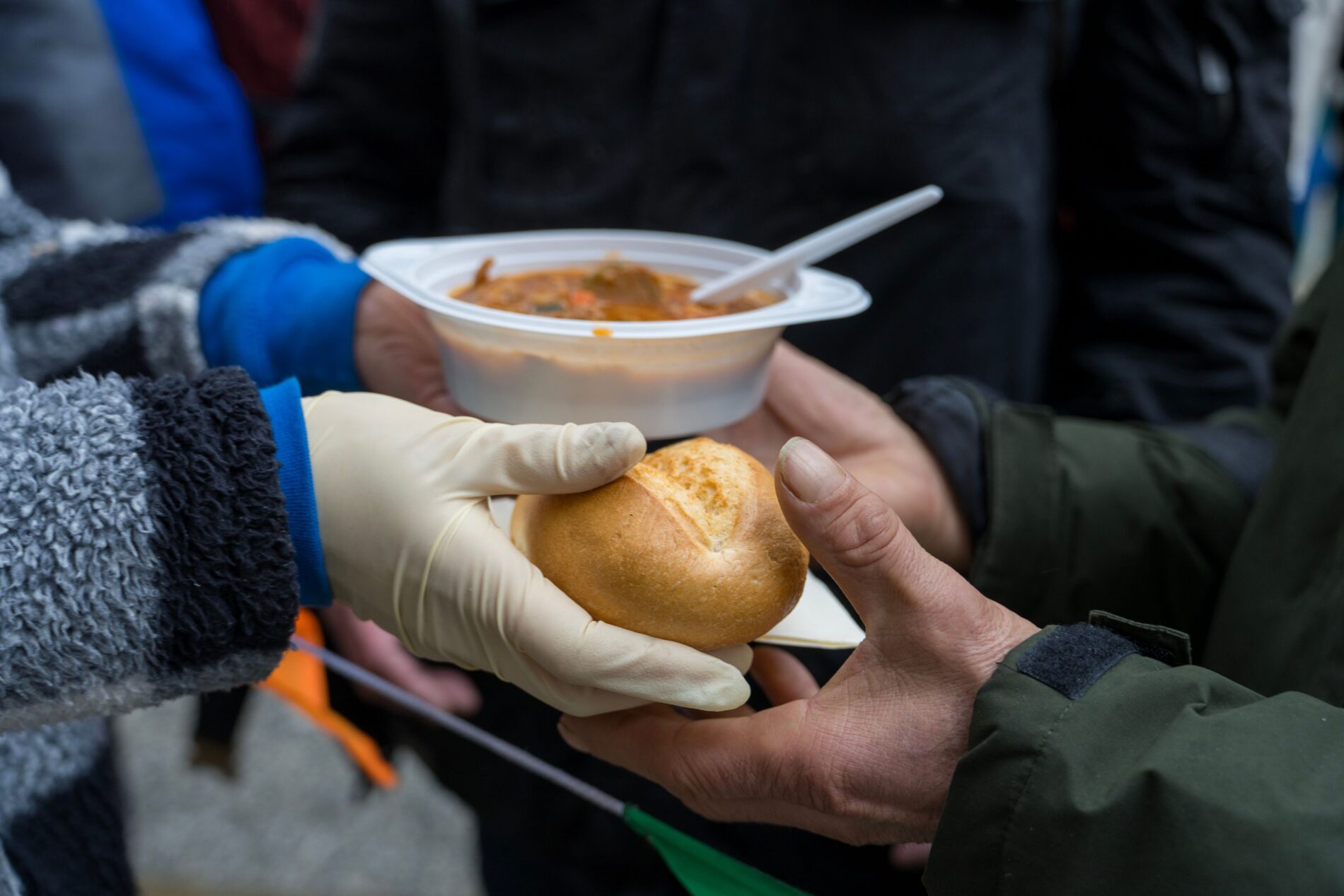
Certain life situations are particularly hard hit, although many of those affected are far from being “left out.” Single people, at 30.9 percent, were significantly above average. For single-parent households, the rate was 28.7 percent. The statistics are most severe for the unemployed, where the at-risk-of-poverty rate was 64.9 percent.
Those who are also socially excluded are even more likely to fall into the risk zone
In addition to income, participation is also crucial, as housing, education, and culture are essential for everyday life. Including this dimension, a total of 17.6 million people were at risk of poverty or social exclusion in 2025. This corresponds to 21.2 percent of the population. Compared to the previous year, this percentage remained almost unchanged.
Other groups are also above average, while the public debate often overlooks them. Among the non-working population (excluding the unemployed), the rate was 33.8 percent. For retirees, it was 19.1 percent. This makes it clear that financial hardship is no longer just a marginal issue.
WSI sees growing inequality – and warns of consequences for democracy
The Institute for Economic and Social Research (WSI) was not surprised, as its own research points to structural causes. These include a declining redistributive effect of the welfare state and increasing income inequality. At the same time, the institute criticizes the fact that the issue too rarely receives political priority. The warning is clear: poverty can weaken social stability and undermine trust in democratic institutions.
This is not just about statistics, but about concrete realities. Those who are on a tight budget cut spending first, even though these very expenses ensure social participation. Culture, club activities, or school trips quickly become luxuries. And thus, the gap between everyday experience and political narrative widens.
Kipping calls for a “poverty prevention check” – and describes harsh everyday consequences
Katja Kipping, Managing Director of the Paritätische Gesamtverband (Parity Welfare Association), sees the figures as a mandate for the federal government and demands clear guidelines. She states explicitly: “Every social policy reform must be subjected to a poverty prevention check. This means: Any planned measure that threatens to exacerbate poverty must be abandoned.” Kipping also emphasizes that single parents are particularly affected.
For those affected, financial hardship remains palpable because it translates into deprivation. Kipping cites examples: children without winter coats, families who have to cut back on heating, people who postpone dental appointments. Such situations don’t just affect individuals, but shape entire households. And that is precisely why the 2025 poverty statistics act as a warning signal that should not be ignored by policymakers.