
The West Bavaria Ring power line is losing its foundation. Transmission system operator TenneT has deemed the project uneconomical, and it is also absent from the current grid development plan. This sidelines an expansion project that was long considered crucial for the energy transition. Decisive factors include new assumptions about grid load, shifting priorities in energy policy, and persistent opposition along the planned route, while the proposed high-voltage line is becoming increasingly less relevant. (mittelbayerische: 10.12.25)
Power Line Without Support in Grid Development Plan
The West Bavaria Ring no longer appears in the new grid development plan. This is a significant point, as only projects included in the plan are considered essential from an energy policy perspective. Therefore, the power line lacks planning legitimacy. Experts also point to updated forecasts of electricity flows and regional feed-in, which reduce the efficiency of a large-scale connection.
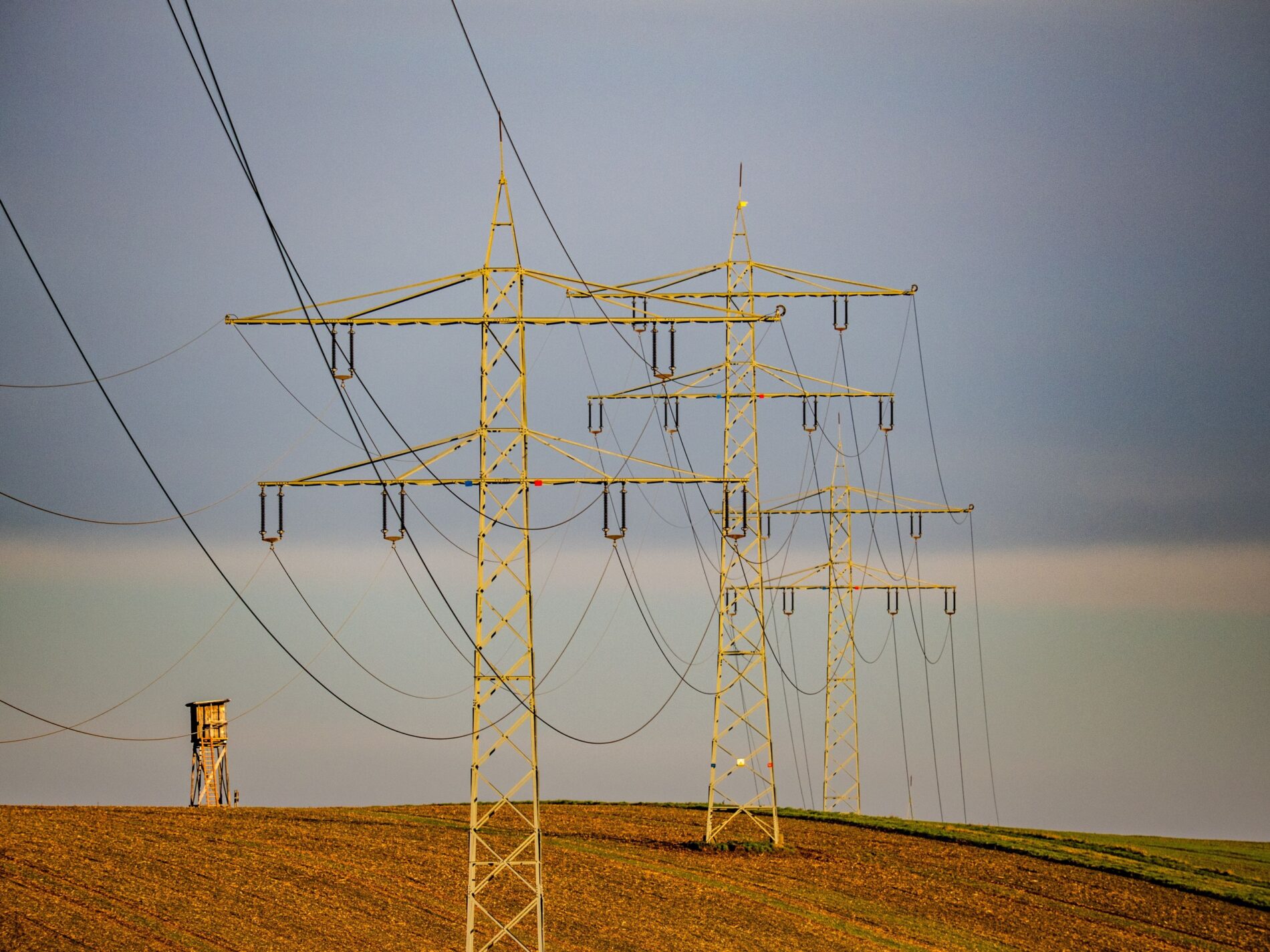
The grid development plan thus reflects a clear shift. Regional solutions are increasingly coming into focus, while traditional long-distance power lines are losing importance. The planned high-voltage line between Franconia and Lower Bavaria hardly fits into this framework anymore.
TenneT revises its economic assessment
TenneT originally conceived the power line as a replacement and parallel construction project. The cost-benefit analysis has since become considerably more sober. A company spokesperson told the Mediengruppe Bayern that “discussions must be held in the coming weeks.” This wording underscores the open status of the project but does not signal a clear future direction.
For the grid operator, structural changes, in addition to financial aspects, also play a role. Current energy policy places greater emphasis on decentralized generation and flexible grids. As a result, the original transmission line model is losing strategic importance.
Citizens’ initiatives shape the route and public perception
Numerous citizens’ initiatives formed early on along the planned route. They criticized the impact on the landscape, potential losses in property value, and what they considered an outdated grid logic. This resistance accompanied the power line project for years and significantly influenced the public debate.
Nevertheless, official planning steps began in several regions. Formal procedures were already underway, particularly in Middle Franconia. However, without support in the grid development plan, these processes lose political and technical weight, even if they continue legally.
Energy Policy Sets New Priorities
Current energy policy is fundamentally changing the standards for grid expansion. Decentralized generation, regional storage, and intelligent control systems are reducing the need for large-scale power lines. Therefore, this power line is also receding into the background, even though it was once intended as the backbone of the supply.
For many municipalities, this development means uncertainty, but also relief. Whether the West Bavaria Ring will be permanently abandoned will be clarified after the announced discussions. However, the current facts clearly argue against a revival of the project.